
Memorial Day weekend traditionally kicks off boating season in Texas. But fun on the water is no fun at all if boaters unwittingly help spread invasive species that, in some cases, are literally choking the state’s waterways.
The Texas Parks and Wildlife Department urged boaters this week to take invasive species seriously as two of the most prevalent, giant salvinia and zebra mussels, continue their advance into previously untouched freshwater bodies across the state.
“It only takes a tiny fragment of an invasive plant to create a problem in a new lake,” John Findeisen, leader of TPWD’s aquatic enhancement team, said in a news release. “Preventing aquatic invasive species introductions avoids costly, long-term efforts to manage these species once they become established in a lake.”
A tidy slogan alone won’t stop invasive species from spreading, but TPWD hopes boaters will take the words “clean, drain, and dry” to heart. To prevent this from happening, the department advises completely draining boats and any onboard receptacles, including bait buckets, upon leaving a body of water and before entering another. Boaters should also carefully inspect their boats and trailers and remove any stowaway invasive plants.
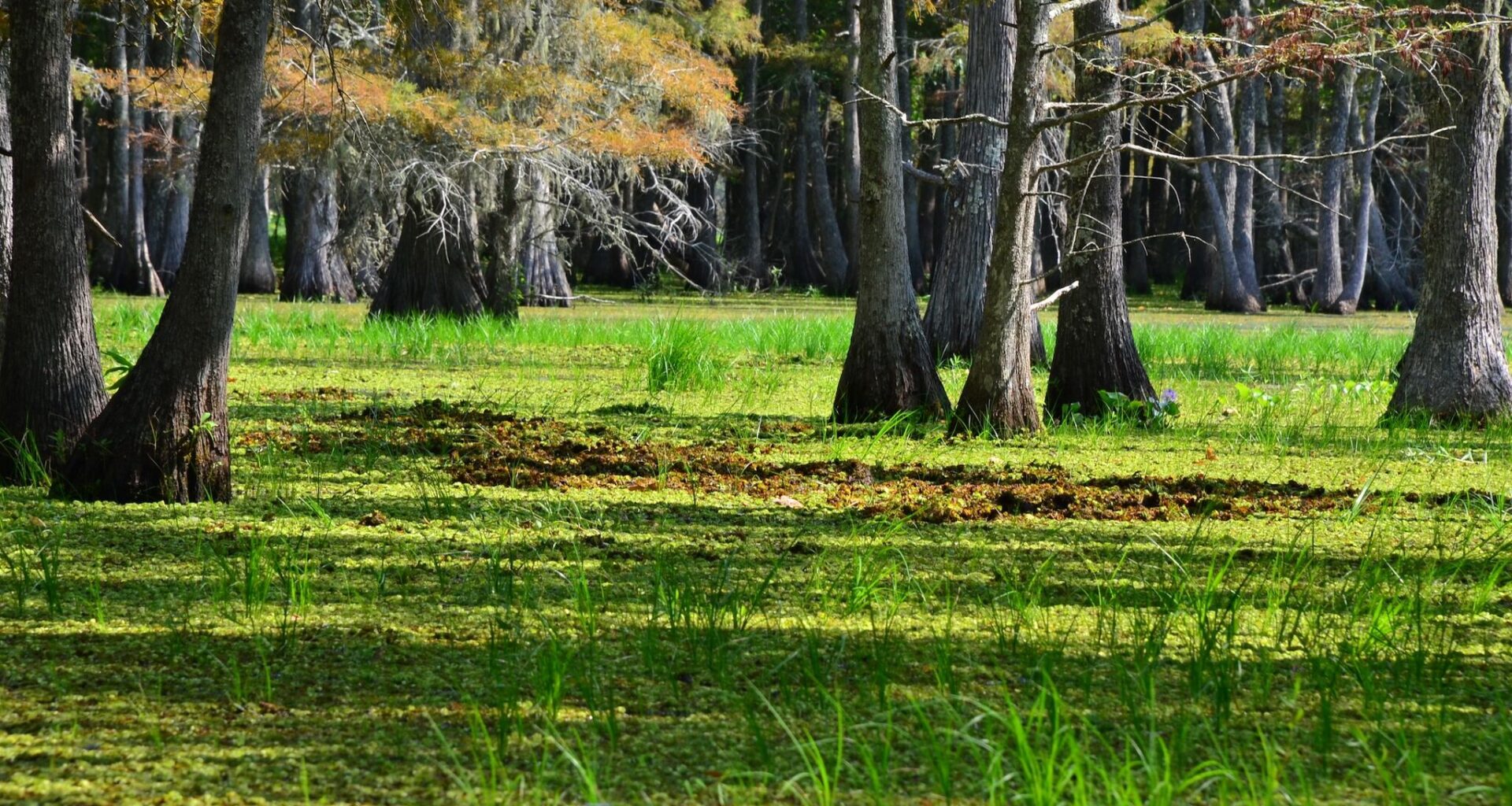
Native to southern Brazil, giant salvinia is a free-floating aquatic fern that has plagued Texas lakes since its initial discovery near Houston in 1998. The plants form “thick surface mats that make fishing, boating, swimming, and other water recreation nearly impossible,” according to TPWD. It can double its coverage area inside a week, and to date the department has confirmed its presence in 29 East Texas lakes, as well as untold rivers, creeks, and marshes between Houston and Beaumont.
Originally from Eurasia, zebra mussels—and their close cousin, quagga mussels—are even more prevalent. First detected in 2009 on Texas-Oklahoma border Lake Texoma, these sharp-shelled shellfish have since spread to 39 lakes and the downstream areas of seven river basins, including the Trinity, Brazos, and Colorado.
Both types of mussels can attach themselves to hard surfaces, including boat hulls and anchors, and damage both boats and a lake’s water supply and control infrastructure, TPWD warns. Their shells are no fun to step on onshore, either; and once entrenched in a body of water, they’re there for good.
TPWD is not counting on boaters to follow these guidelines out of the goodness of their hearts. Besides usurping native species and otherwise damaging the environment, invasive aquatic species are also illegal. Anyone caught spreading them, intentionally or not, can be fined up to $500. More information on the state’s invasive species (and how to fight them) can be found at texasinvasives.org.