
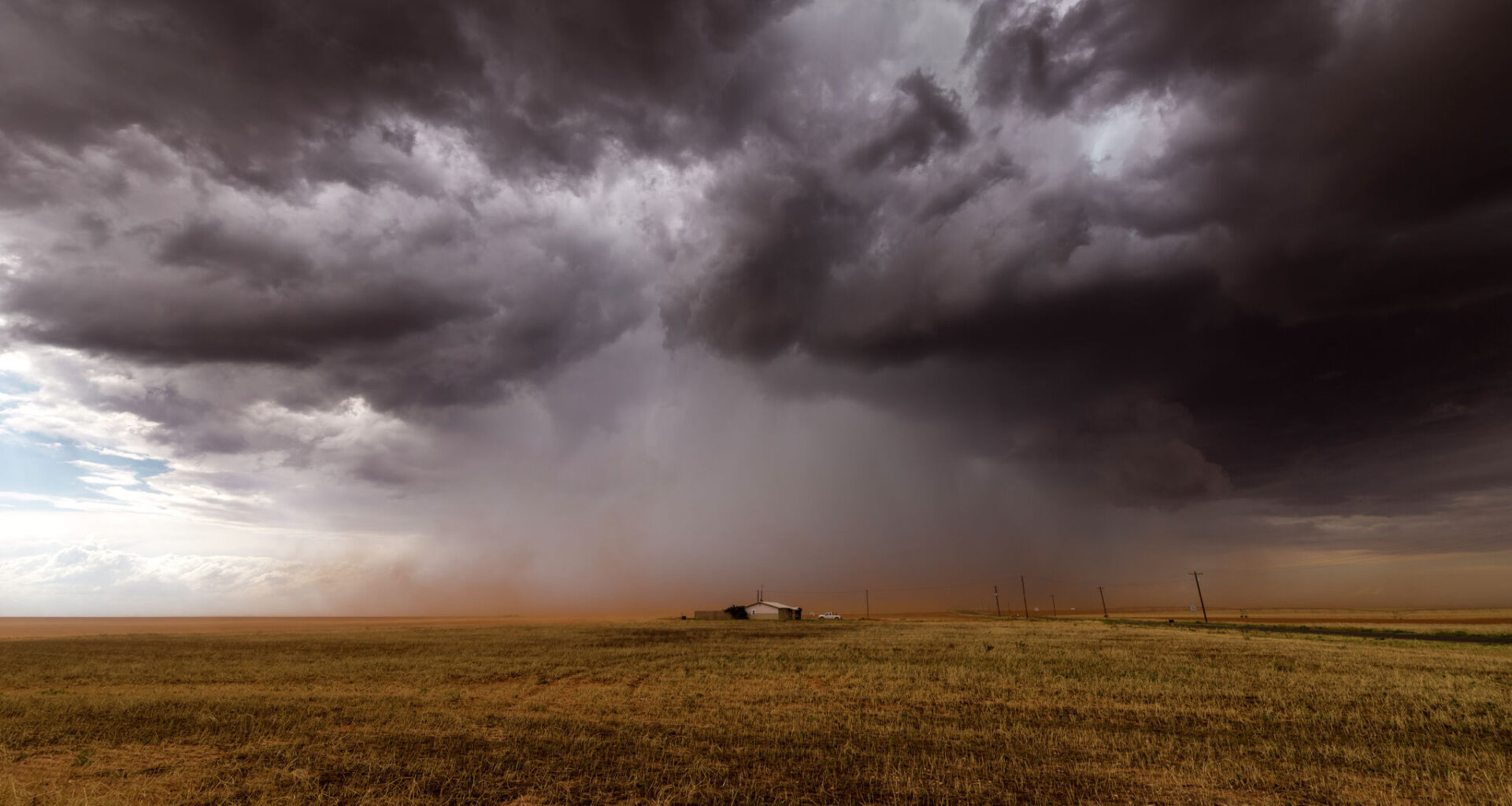
Warm ocean waters continue to suggest wetter and colder seasons ahead for the South, particularly in Texas. As confidence grows in a “Super El Niño,” which could be the strongest in recorded history, so do snow chances in the Lone Star State come winter. But the weather is already keeping Texans on their toes, with a cold front forecast for the coming days.
In any other year, Texans would be prepared to endure humid, scorching days this late in spring. But temperatures have been surprisingly mild, and forecasters are even calling for an end-of-May, early-June cold front. A turn of events attributed to El Niño by local meteorologists.
“June begins next week, and I can’t remember a June that looked THIS good out of the gates,” CBS Austin Meteorologist Avery Tomasco said in a Facebook post. “High confidence in below-average temperatures in Texas next week. A huge shoutout to our sweet boy, El Niño.”
According to the Austin meteorologist, all of Texas — even sweeping east across the country past Georgia — should see unseasonably cool temperatures as meteorological summer begins on June 1.
In a nutshell, El Niño patterns often bring cooler, wetter fall and winter weather to Texas as warmer ocean waters affect atmospheric conditions. Since early April, meteorologists and climatologists have closely tracked signs of a potentially strong El Niño developing later this spring and lasting through the end of the year.
Forecasters say this could become the strongest El Niño event since scientists began keeping reliable global climate records roughly 140 years ago, with major impacts on Texas weather possible later this year. During El Niño patterns, the southern jet stream typically strengthens, often bringing wetter conditions to Texas, according to the National Weather Service.
An El Niño often means snowier-than-normal winters for the Texas Panhandle.
“In general, El Niño conditions lead to wetter, snowier conditions in Amarillo and cooler maximum temperatures during the winter,” an NWS explainer on the oceanic phenomenon states.
While Texas could certainly use some more rain after prolonged periods of drought, it’s unclear whether a strong El Niño could be the lone Hail Mary needed to fix evaporating creeks and lakes.
The Southwest and Southern Plains have been in drought for almost six years, meaning it’s going to take a lot of rain that actually seeps into aquifers to reverse the lasting impacts. What’s often not realized is that brief rounds of heavy rainfall aren’t enough to replenish underground or above-ground water sources due to runoff, as saturated soil stops absorbing as much water, which feeds aquifers.
“One good year won’t eliminate 6 years of water deficit unless it’s exceptionally wet, like in 1957-58,” the National Integrated Drought Information System stated. “Those years also saw historic floods that led to fatalities and devastating destruction.”