
AP Photo/David J. Phillip
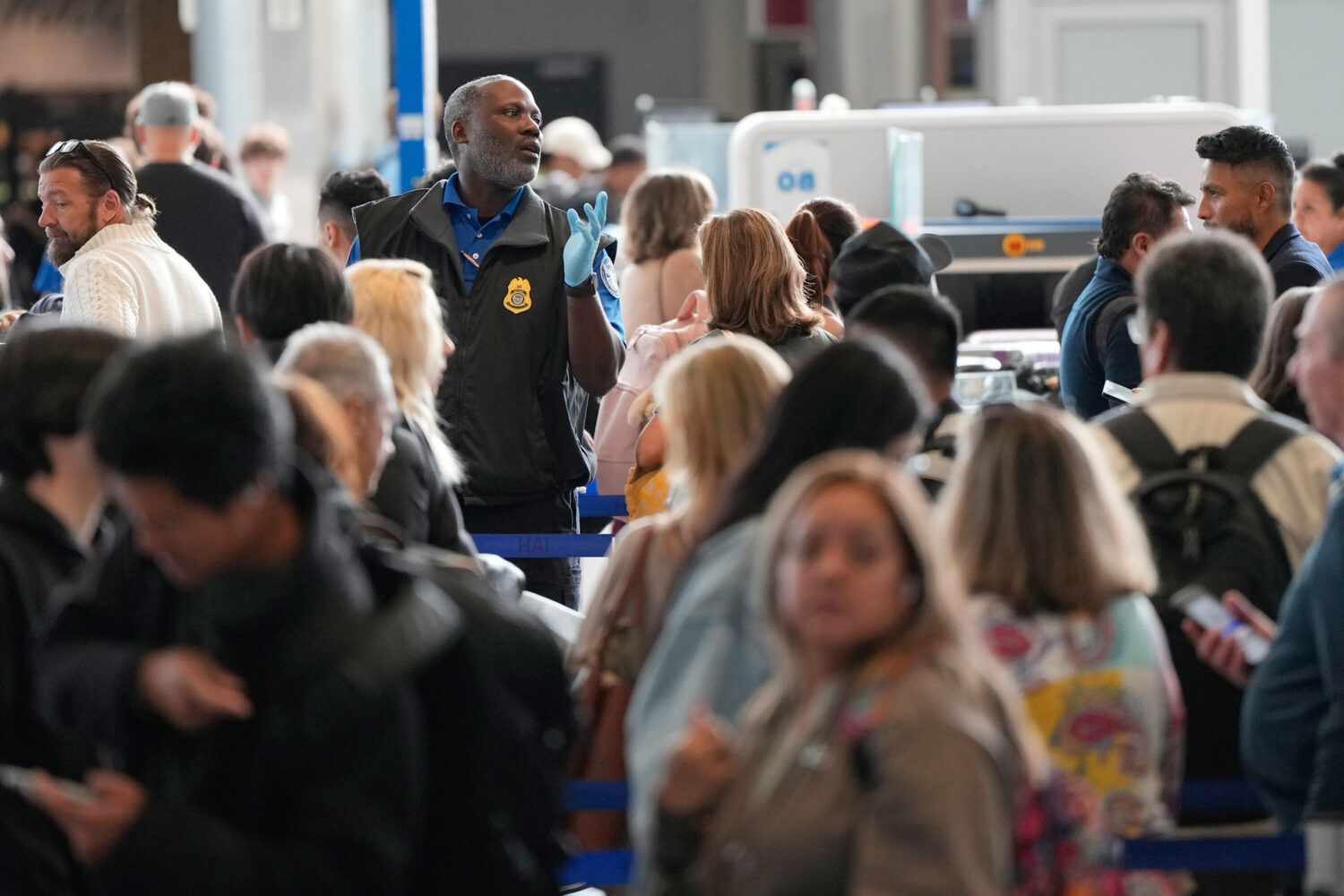
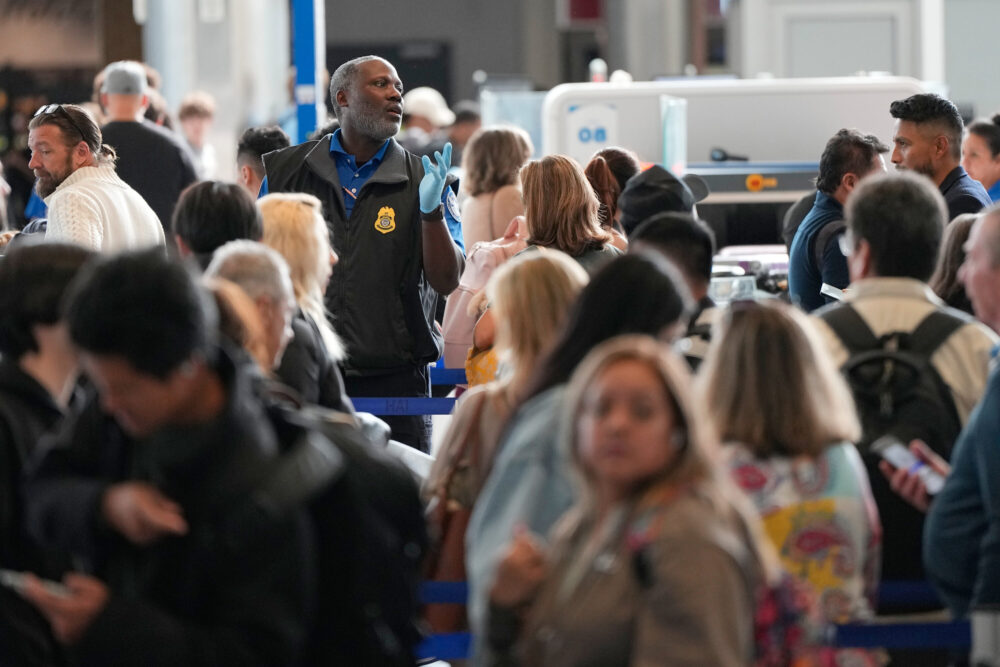
Passengers are directed through a security checkpoint line at George Bush Intercontinental Airport Thursday, March 19, 2026, in Houston.
As Houston is one of the U.S. cities to receive airborne passengers potentially exposed to the Ebola virus, Houston Health Department director Theresa Tran told the city council on Wednesday the virus is “not a broad public health threat” to the region.
“We are confident that we are prepared for anything that happens,” Tran said. “I am not worried about it being a public health threat in Houston.”
Federal officials chose Houston’s Bush Intercontinental Airport, Washington-Dulles International Airport and Hartsfield-Jackson Atlanta International Airport to screen passengers from the Democratic Republic of Congo (DRC), South Sudan and Uganda – the African countries at the center of a deadly Ebola outbreak.
Sign up for the Hello, Houston! daily newsletter to get local reports like this delivered directly to your inbox.
Tran said she presumes the selection “has to do something with international airports within proximity of a biocontainment unit or a regional emerging special pathogens treatment center.” In the Houston area, the University of Texas Medical Branch in Galveston has a 6-room biocontainment care unit.
The World Health Organization (WHO) declared a “public health emergency of international concern” in those African countries, where it’s found more than 1,000 suspected cases and more than 230 suspected deaths as of May 26.
Travelers from those countries who do not have U.S. passports will not be allowed into the country until after a 21-day period, according to Tran. She said 21 days is the “maximum incubation period” of the virus, after which symptoms and spread are not expected.
Those with U.S. passports who don’t have to wait 21 days will be subject to a screening question by an officer with the Centers for Disease Control and Prevention (CDC). According to Tran, the questions include:
What kind of symptoms have you had — any fever, vomiting, nausea, bleeding?
What kinds of activities have you engaged in — healthcare work?
Have you been in rural areas?
Have you been around bats — because that’s the animal vector for this disease?
Have you been in these areas of concern with the outbreak?
Have you been dealing with any dead bodies from there?
Have you had any sick contacts?
If they answer no to every question, they’ll be deemed “low risk” and released, Tran said. Their contact information and travel plans in the U.S. will be noted by the CDC and communicated to local health officials.
“The local health department where the individual’s going home to gets that information and then ensues the follow-up for 21 days to ensure that the person doesn’t have any symptoms — or if they do, that we’re able to get ahead of them and help them into healthcare in the appropriate facility immediately,” Tran said.
If inbound passengers answer yes, they’ll be subject to further questioning and exam, and a potential transport by the Houston Fire Department to medical facilities.
Ahead of the FIFA World Cup matches in Houston next month, Tran said, the soccer team from the DRC is quarantining in Europe. The team will have its base camp in Houston and also has a game against Portugal scheduled for June 17 at NRG Stadium.
Tran said city officials are not expecting a fan base from the DRC, but “if there is, then once they are in the stadium, it would have been because they have been out of the DRC or Sudan or Uganda within the past 21 days.”
Mayor John Whitmire said the disease is “not a FIFA concern.”
“It’s a national concern and certainly the highest priority for the city of Houston’s health department and this leadership around the horseshoe,” Whitmire said.
Tran said the U.S. is better prepared for Ebola response than in 2014, when a man died from the virus in Dallas and infected two of his nurses, who survived. Tran said it’s “because of that death that there are so many countermeasures in place today.”
“The transmissibility of this disease is just so low that our biggest concern — and where we’ve been having constant conversations with infectious disease doctors in the region — have been about safety within the healthcare professionals, and that we want every hospital in the region to be prepared because you never know if you’re going to need to use those preparedness protocols that are in place,” she said.
Ahead of the World Cup matches in Houston, Tran said Ebola actually isn’t her primary concern.
“My biggest concern is people spreading measles or people spreading other airborne diseases because they’re not vaccinated,” Tran said.