
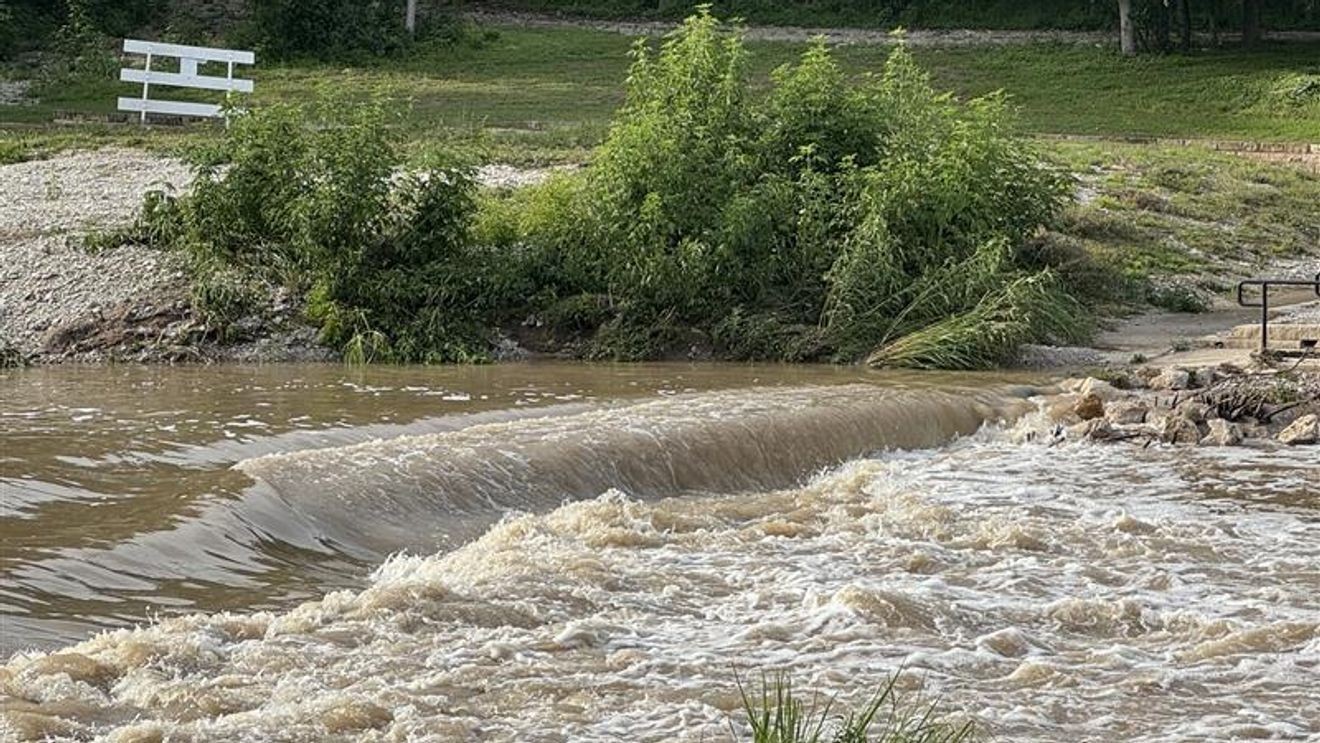
AUSTIN, Texas — Central Texas has seen flooding, rising rivers, and growing lake levels this week after heavy rain moved through the area, but water experts say that doesn’t mean Texas has enough water for the future.
“It’s a lot fuller than I expected it to be. I haven’t seen it this full in a while,” said Lizzy, a Georgetown resident, while looking at rising water levels near the San Gabriel River.
The conversation comes as the Texas Water Development Board moves forward with the Draft 2027 State Water Plan, a long-term proposal focused on how Texas plans to meet water needs over the next 50 years.
According to the draft plan, Texas’s population could grow to more than 52 million people by 2080 while existing water supplies decline.
“It’s been famously said that Texas is a land of perpetual drought, visited by the occasional biblical flood,” said Jeremy Mazur, director of infrastructure and natural resources policy for Texas 2036.
ALSO| 15 rescued, dozens evacuated as overnight storms flooded Williamson County
KEYE
Mazur said Texas has to prepare for both severe flooding and future drought conditions at the same time.
“The fact that we’re such a large, growing drought-prone state is the reason why we have to pay close attention to our water supplies, even when it’s raining,” Mazur said.
The draft water plan includes thousands of recommended water supply and conservation projects across the state, ranging from reservoirs and groundwater wells to water reuse projects and seawater desalination.
State officials estimate the plan could cost roughly $174 billion over the next 50 years, more than double the cost projected in the previous state water plan.
During a public hearing on Wednesday in Austin, officials discussed some of the factors contributing to the rising cost of the plan.
“Potential factors contributing to this cost increase include such things as a backlog of unimplemented projects and inflation effect,” one official said during the hearing.
Officials also noted that the state water plans are designed around preparing for extreme drought conditions.
“Texas’s state water plans are based on future conditions in the event of the recurrence of the worst recorded drought,” another official said during Wednesday’s meeting.
Mazur said Texas is already seeing what can happen when communities fail to keep up with water infrastructure and long-term planning during drought conditions.
“If we don’t address our water supply challenges, then we’re looking at billions of dollars in economic losses, thousands of jobs lost, and potentially an exodus of people leaving Texas looking for water and jobs elsewhere,” Mazur said.
For some Texans, the issue feels personal.
“That’s the worst thing that you can do is run out of water because it’s a necessity. We really need it,” one resident said.
Public comments on the Draft 2027 State Water Plan remain open through May 29. The Texas Water Development Board is expected to continue reviewing public feedback before board members consider adopting the next phase of the plan later this year.