
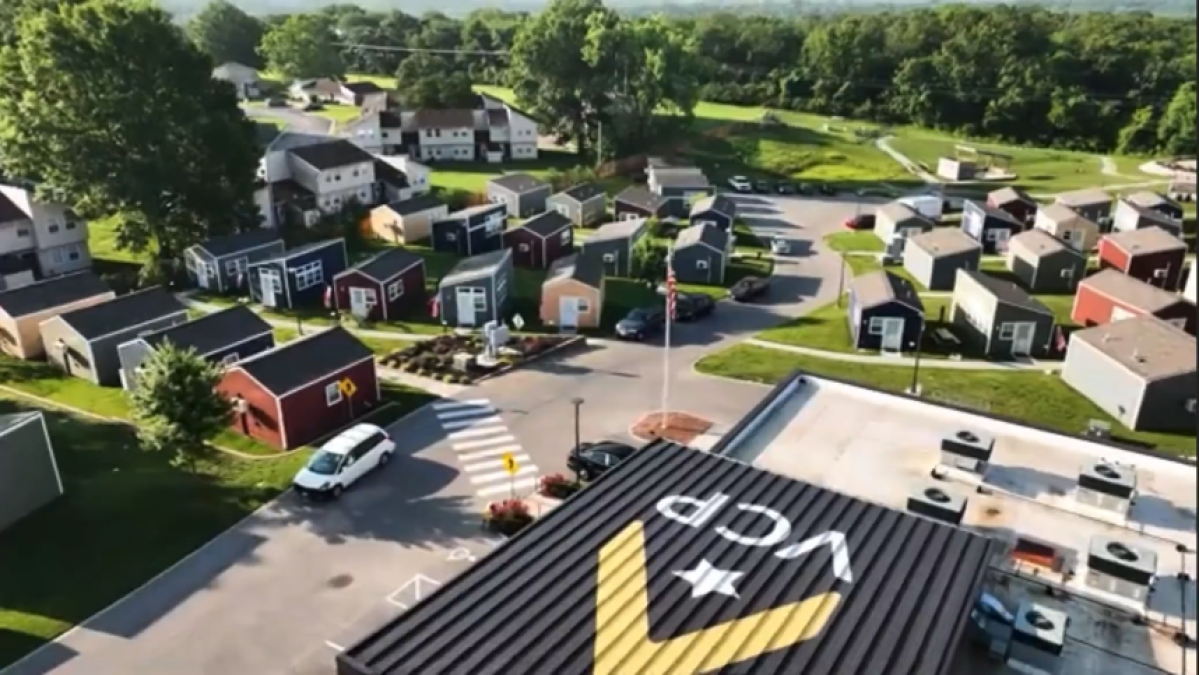
Dallas city leaders have approved transferring city-owned land in southern Dallas to a nonprofit planning to build a tiny home village for veterans experiencing homelessness.
The Dallas City Council voted unanimously on Wednesday to hand over seven undeveloped acres across from the Dallas VA Medical Center for the future Veterans Village at Patriots Crossing.
The project is being led by Veterans Community Project, a nonprofit founded by Marine veteran Bryan Meyer.
“Get these veterans back on their feet, and then transition them back out into the community,” Meyer said.
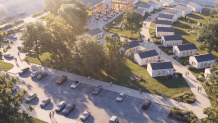
The nonprofit plans to build 50 tiny homes along South Lancaster Rd., along with a community center.
“Communities demonstrate what they care about by what they build,” Meyer said.
Veterans Community Project already operates similar villages in Kansas City and Colorado. The organization provides transitional housing for veterans regardless of discharge status.
While veterans do not pay rent, participants are required to take part in case management services aimed at addressing issues that contributed to homelessness.
Veterans Community ProjectVeterans Community Project
Dallas City Council member Jaime Resendez said the project will provide stability and support for veterans.
“A place where veterans can find stability, access services, rebuild connections and begin the next chapter of their lives with dignity,” Resendez said.
Before construction can begin, the nonprofit said it must raise about $4 million.
Council member Maxie Johnson said city leaders are optimistic the funding will come together.
“We are very confident that is going to happen very soon,” Johnson said.
The nonprofit said it is already hearing from members of Dallas’ philanthropic community interested in supporting the project to help meet the estimated cost of $15 million.
Vietnam veteran Willie Ferrell, who visits the nearby VA hospital, said the development would benefit both veterans and southern Dallas.
“It’s been vacant for the last 50 years, so it’s important that they do something with it,” Ferrell said.
“Very important. That’s what it’s about, you know… Most of them, you know, they don’t have transportation, so they just go right across the street,” he said.