
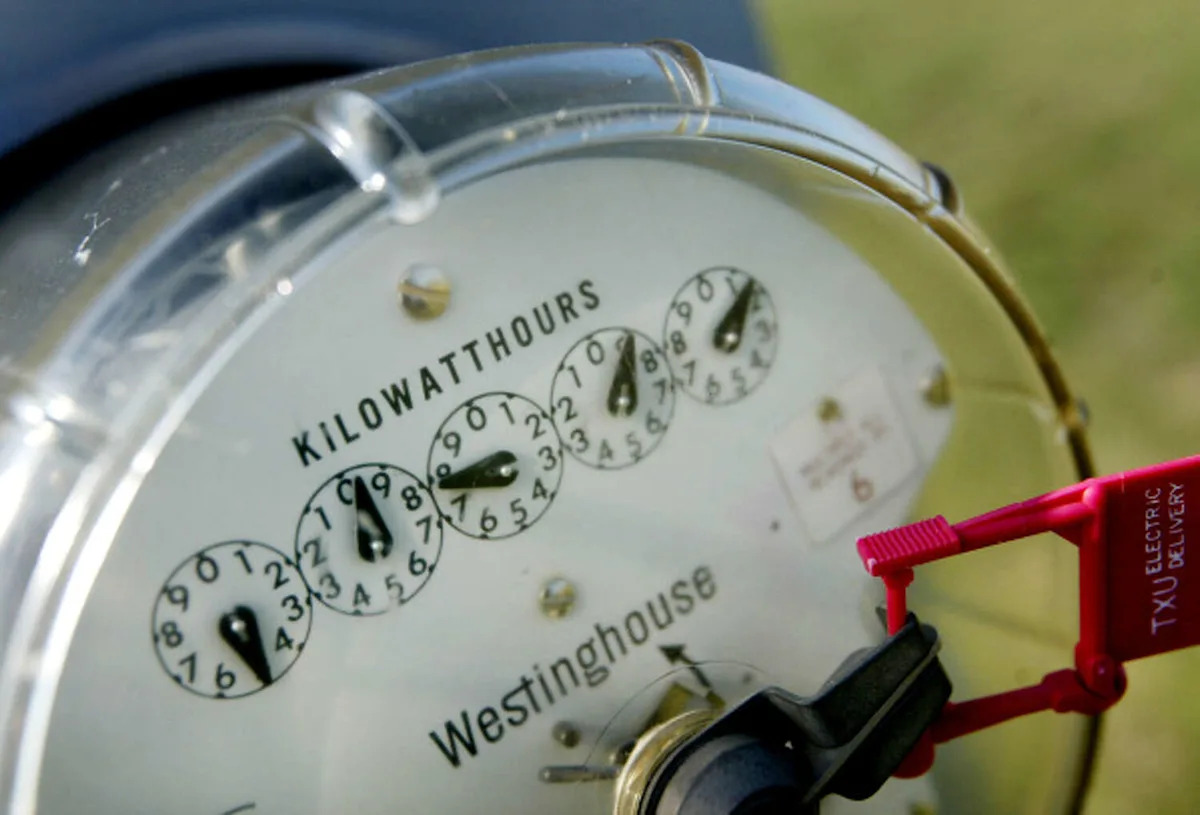
When summer starts in Dallas, the temperature isn’t the only thing going up.
Electric bills can often be at their most expensive during the summer months, with the cost of keeping a home cool going up as the weather heats up.
While higher utility costs are hard to avoid this time of year, there are some things consumers can do to help limit their energy consumption and keep bills in check. The easiest way is by controlling your biggest energy users, which, for most homes, is your HVAC system, water heating and refrigeration, according to the U.S. Energy Information Administration (EIA).
Here some tips to limit your energy consumption this summer:
Keep tabs on your thermostat
According to the EIA, air conditioning and space heating account for nearly a third of residential electricity consumption, making efficient use crucial for keeping your bill in check.
The U.S. Department of Energy offers a few tips:
Set your thermostat to a temperature you’re comfortable with. The smaller the temperature difference between inside and outside, the lower your electric bill will be, the agency says.
Keep your home warmer than normal when you leave, then lower the temperature setting again once you return. The DOE says consumers can save as much as 10% a year on heating and cooling by turning thermostats back 7-10 degrees from the normal setting for eight hours a day.
When returning the temperature to its normal setting, it is recommended you don’t set the thermostat colder than normal. It will not cool your home faster and could result in excess cooling.
Smart and programmable thermostats can make these adjustments on a schedule, helping consumers to save energy with minimal hassle.
Your windows are key
Windows are important when it comes to energy saving because they can affect energy usage in different ways.
Loose windows can drive up your power bill by letting cool air out and hot air in, making it more difficult to keep indoors temperature at a comfortable level. Heat gain or heat loss through windows is responsible for about a quarter of energy use for residential heating and cooling, according to the DOE.
Doors and other exterior openings can play a role, too. Ensuring a proper air seal with caulk or weatherstripping on windows and doors can help improve your home’s energy efficiency.
Windows can be crucial in avoiding additional heat gain during the day, according to the DOE. Using blinds and curtains on windows that receive direct sunlight can help avoid excess heating from the sun. External shading like awnings or even trees can help with this, too.
Use a fan, but only for yourself
Another energy efficient way to beat the heat is by using fans. Ceiling fans can make a room feel about 4 degrees cooler, according to the DOE, and consume far less electricity than air conditioning. Also, make sure your fan is spinning counterclockwise in the summer so it creates a cooling breeze.
It is important to note that fans work by creating a wind chill effect that cools people, but not rooms. As such, it is best to save power by turning them off when leaving a room as they will not help cool the room itself.
Manage your electric water heater
Outside of HVAC, water heaters are one of the most energy intensive devices in a home, accounting for around 10% of residential electricity consumption.
The Electric Reliability Council of Texas (ERCOT) offers several energy-saving tips when it comes to water heaters. The biggest one is to lower the thermostat on your heater. Consumers can save 3% to 5% in energy costs for every 10 degrees of reduction. It is typically recommended you set your water heater to 120 degrees, unless your dishwasher does not have a water heater, in which case 130-140 degrees is suggested.
Other tips include repairing any leaking faucets which can rapidly raise consumption, draining the hot water tank regularly to remove sediment and wrapping your heater in an insulation blanket. ERCOT also says to consider a tankless water heater, which can bring major energy savings.
Small changes add up to savings
While the majority of energy savings will come from major users like HVAC and water heaters, other smaller changes can make an impact, too. Here are a few:
Replacing old incandescent light bulbs with LEDs can help save energy.
Appliances like dishwashers and washing machines can generate excess heat. Running them at night or early in the morning when it is cooler out can help save energy.
Limit “vampire energy” by unplugging electronics and appliances when not in use. Power strips with simple on/off switches can be the easiest way to do this. Even when turned off, electronics like TVs, computers and gaming systems can sometimes use small amounts of energy. The same is true for some appliances.
Use a clothesline to dry clothes instead of the dryer.
Do your laundry using cold water. Water heating accounts for the majority of a washing machine’s electricity use.
Wait until you have a full load to run the dishwasher or washing machine.
Try cooking outdoors, like on a grill, to avoid the additional heat produced inside by cooking on a stove or with the oven.
Subscribe