
WASHINGTON (TNND) — Primary results across the country are signaling a tougher road for moderate candidates as both parties grapple with energized voters on the ideological edges.
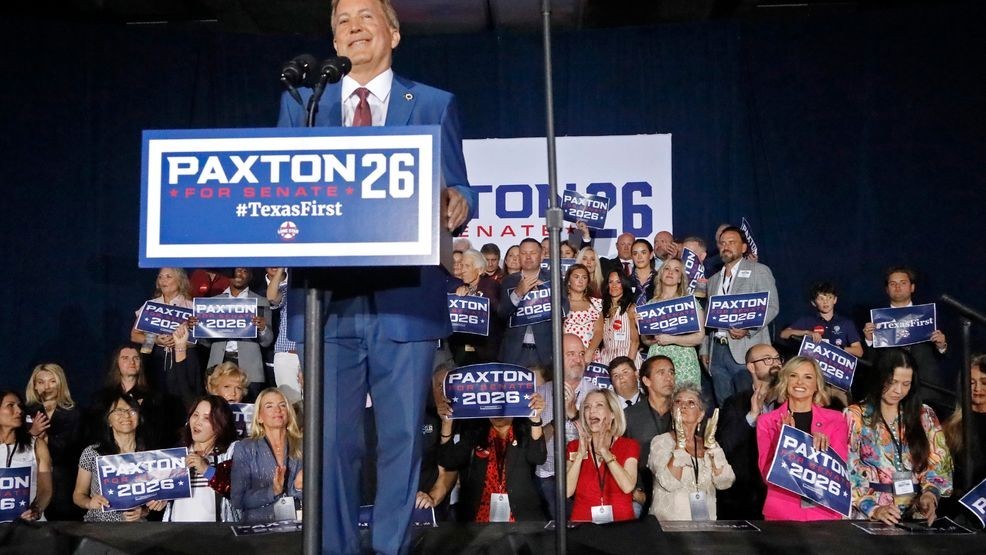
Sen. John Cornyn, R-Texas, conceded his Republican primary loss to Ken Paxton, who received President Donald Trump’s endorsement last week. Cornyn, who has served in the Senate since 2003, was seeking a fourth term.
“I’ve said throughout this race that I trust the voters of Texas. And they’ve made their decision and I must respect it,” he told supporters.
Paxton was a steady Trump loyalist, casting the race as the start of a broader political fight.
“Tonight is the beginning of the fight to preserve every value we hold dear. The future of Texas and the future of America is on the line, and I intend to do everything I can to expand our movement,” he said during his victory speech.
Cornyn was described as an establishment Republican who cut deals across the aisle when necessary, while Paxton won over primary voters who skew MAGA. Paxton is set to face Democrat James Talarico in November.
The contest is expected to be a key midterm race, with Paxton’s past scandals raising concerns among some Republicans about how expensive the campaign could become. Democrats, meanwhile, see an opening to flip a Texas Senate seat blue for the first time in nearly 40 years.
“If we the people, can come together to defeat the most corrupt politician in America, we can defeat this entire corrupt system,” Talarico said in a video posted to his social media.
Nationally, Republican primaries have been shaped by a loyalty test to Trump and candidates’ ability to appeal to his most committed supporters. On the Democratic side, Democratic Socialist candidates have notched primary victories or are leading in some races around the country, a trend seemingly being boosted by New York City Mayor Zohran Mamdani’s win last year.
Todd Belt, director of the George Washington University Political Management Program, said candidates often have to balance appealing to primary voters with positioning for a general election.
“It’s a delicate dance, because you have to appeal to the primary voters, who tend to be more on the fringes of the wings of the party, and then in the general election, you have to move back towards the center, so it’s really difficult,” Belt said.
The broader challenge for both parties heading into November will be whether candidates on the far right and far left can find common ground with voters closer to the center after bitter primary fights.