
Scientists monitor rising salinity as Corpus Christi weighs changes to water release rules.
CORPUS CHRISTI, Texas — For more than two decades, freshwater releases from Corpus Christi’s reservoir system have helped sustain the Nueces Delta, a critical nursery for fish, shrimp, crabs and other wildlife.
According to the Coastal Bend Bays & Estuaries Program, the delta has received an average of about 24,000 acre-feet of freshwater annually over the past 24 years. But because of drought conditions and low reservoir levels, no releases have been made in more than two years.

This story continues below.
Now, as Corpus Christi considers asking state regulators to change when mandatory freshwater releases begin, questions are emerging about what that could mean for the health of the delta ecosystem.
During a recent tour of the Nueces Delta, Coastal Bend Bays & Estuaries Program Project Manager Adrien Hilmy pointed out a threatened Texas tortoise crossing a trail in the area. The tortoise is part of an ongoing research effort aimed at determining how many of the reptiles live within the delta and how they use the habitat.
While the tortoise briefly stole the spotlight, the primary focus of the visit was water.
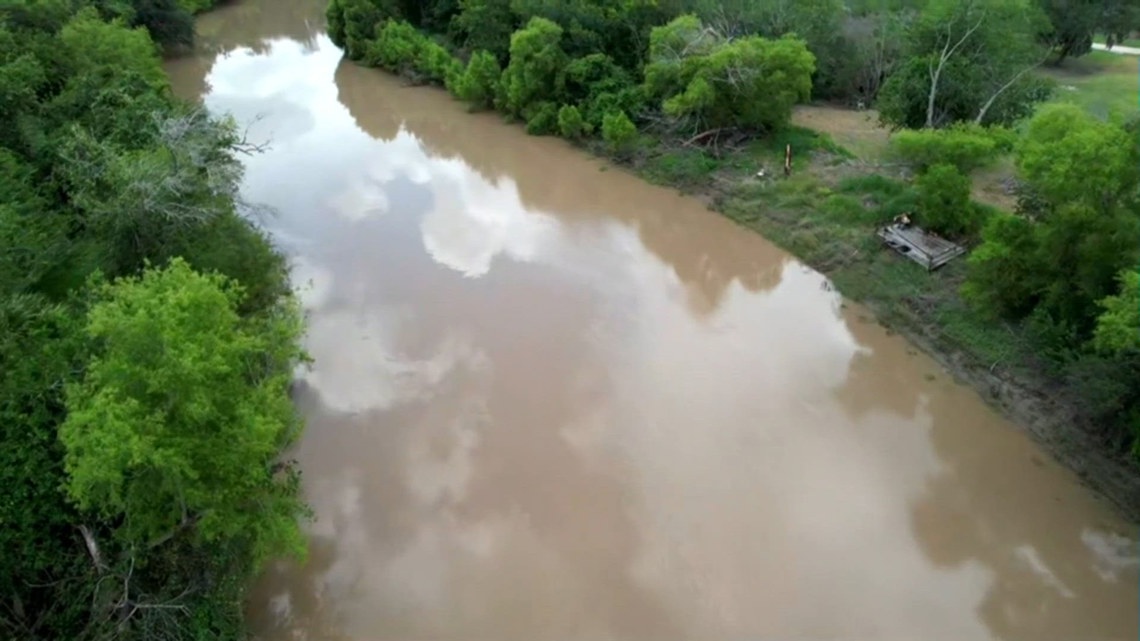
Hilmy explained that Rincon Bayou serves as one of the major channels carrying freshwater into the Nueces Delta when releases occur. The channel is also influenced by tides from the nearby bay system.
Because of the lack of freshwater lake releases, Hilmy said scientists have recently recorded salinity levels ranging from 50 to 55 parts per thousand in portions of the delta.
Those salinity levels can create difficult conditions for many aquatic species, particularly during their early stages of development. Young redfish, shrimp and blue crabs rely on estuarine habitats like the Nueces Delta as a nursery before moving into larger bay systems.
At the same time, Corpus Christi officials are seeking an emergency order from the Texas Commission on Environmental Quality that would change the trigger point for mandatory freshwater releases. The proposal would raise the threshold from 30 percent reservoir capacity to 50 percent because of the drought.
Corpus Christi City Manager Peter Zanoni said any potential changes would require careful evaluation.
“Some wanted changes where there are less releases that are done, but it could be that more have to be done if we open it up, so we have to be cautious on how we proceed with it,” Zanoni said.
Hilmy said any modifications to the existing agreement should be guided by scientific data and the established amendment process.
“I would say that any changes to the agreed order should be, it’s most important that this be based on science and the data that’s available, and the agreed order does lay out a process for making or recommending changes and amendments to that order,” Hilmy said.
Scientists say it remains too early to determine whether the absence of freshwater releases has caused lasting ecological damage to the Nueces Delta. Hilmy said any long-term impacts to fish populations, wildlife and habitat conditions may not become clear for another four to five years.