
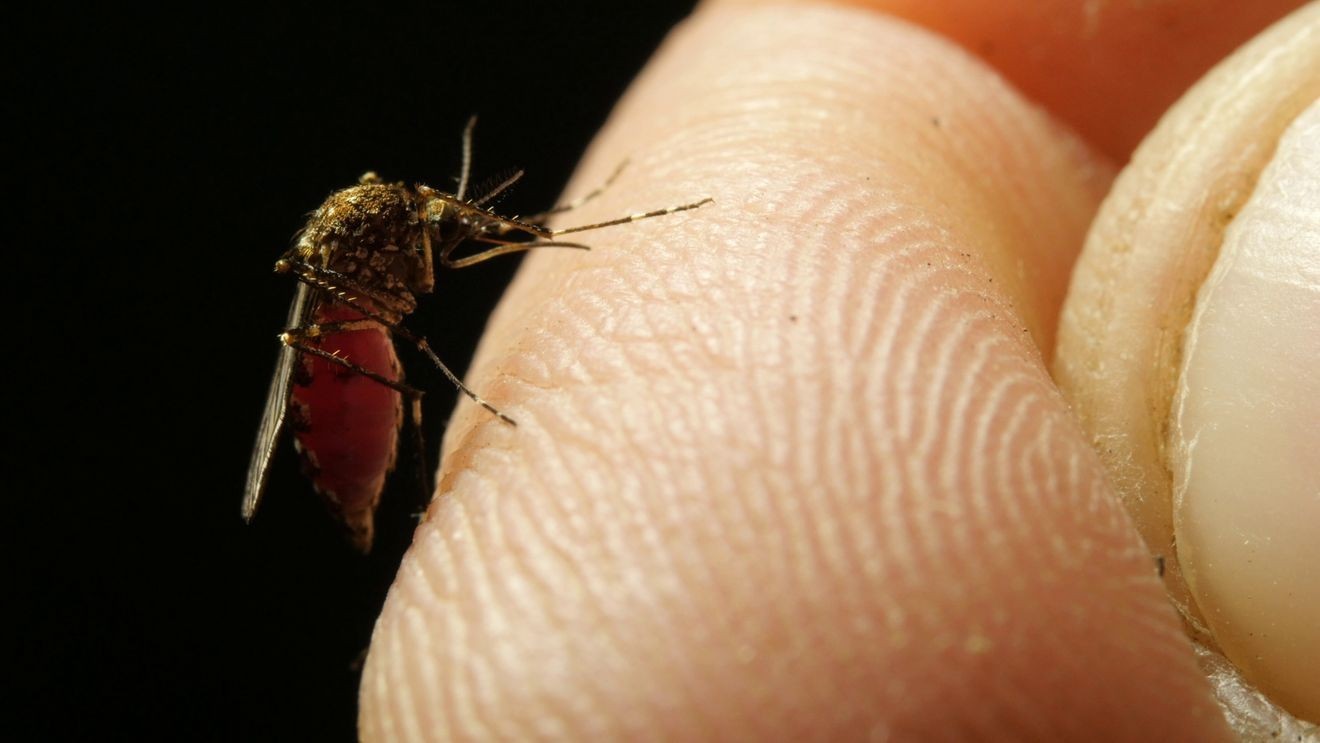
Health officials have confirmed Texas’ first human case of West Nile virus for 2026 in Harris County, prompting doctors to remind residents to take precautions as mosquito season gets underway.
Dr. Carrie Bakunas, medical director of emergency services at Memorial Hermann-Texas Medical Center, said an unusually wet spring could create more breeding grounds for mosquitoes and increase the risk of mosquito-borne illnesses.
“It’s been a really wet spring, so with any kind of standing water, we expect to see more mosquito-borne illness,” Bakunas said.
West Nile virus is spread through the bite of an infected mosquito. The Texas Department of State Health Services reported the state’s first case of 2026 in a Harris County resident who was diagnosed with West Nile neuroinvasive disease, the most severe form of the illness.
According to state health officials, about 80% of people infected with West Nile virus never develop symptoms. About 20% experience West Nile fever, which can include fever, headache, nausea, fatigue, muscle aches and joint pain. Less than 1% develop serious neurological complications.
Bakunas said many symptoms resemble those of other viral illnesses.
“Symptoms are pretty vague,” she said. “It may feel kind of like the flu. You could have fever, headache, muscle aches, joint pain and even a rash.”
She urged people to seek immediate medical attention if they experience symptoms such as confusion, neck stiffness, difficulty walking or trouble speaking.
“It can cause meningitis, infection in your brain,” Bakunas said. “It can get pretty serious.”
State health officials say severe cases can cause tremors, convulsions, paralysis, disorientation and, in rare cases, death. Over the past five years, Texas has reported 976 West Nile cases and 106 deaths linked to the virus.
To reduce the risk of infection, Bakunas recommends using insect repellent, wearing long sleeves and pants when possible, and eliminating standing water around homes. State health officials also advise draining water from items such as flowerpots, buckets, pet bowls and clogged gutters, which can serve as mosquito breeding sites.
Health experts say prevention remains the best defense against West Nile virus as warmer weather and mosquito activity continue across Texas.