
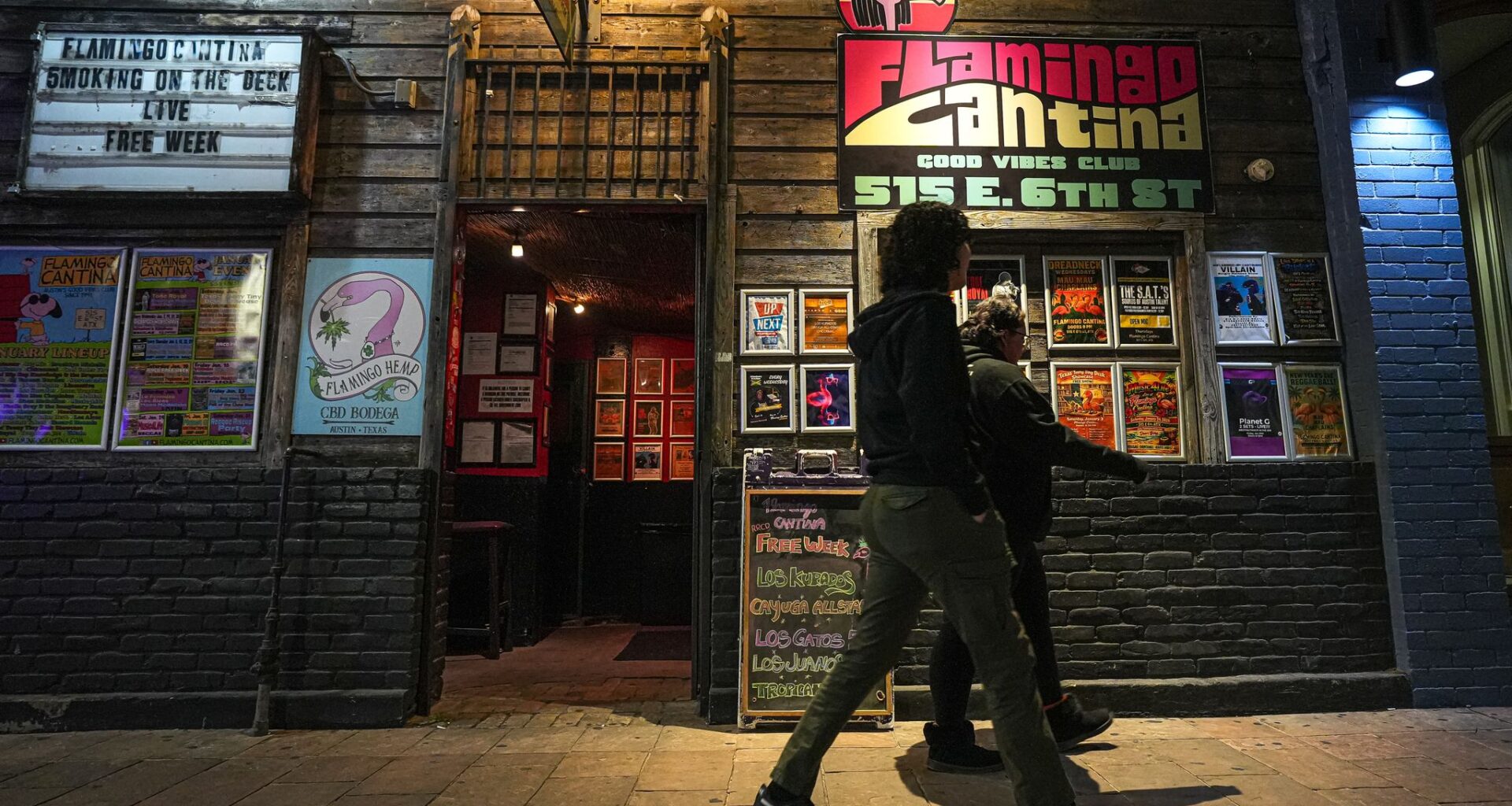
In an email obtained by the American-Statesman, Nicole Klepadlo said Austin Fire Department and code enforcement officials visited venues across Red River and Sixth Street, issued citations and directed operators to make changes as part of what she described as “the city manager’s goal to complete an ‘audit.'”
City officials say the visits were part of ongoing safety and licensing efforts downtown, but Red River leaders say the approach left venues feeling targeted as businesses navigate one of their slower stretches of the year.
Klepadlo asked what the audit was about and reported that businesses had been questioned extensively, asked to move equipment, told they would be cited or shut down if changes were not made, and subjected to what she described as “threatening remarks.”
“What is this regarding and why is [there] a target on the Cultural District in such a state of vulnerability?” Klepadlo wrote, referring to what she later noted was a slow period for business due to the summer season.
Assistant City Manager for Public Safety Ramón Batista told the Statesman that Friday night’s activities were “not related to an audit by the city.”
Instead, Batista said they were a part of “ongoing efforts focused in the downtown area, particularly on and around Sixth Street and the Red River Cultural District, to ensure the iconic area remains vibrant, welcoming and, most of all, safe for visitors.”
Batista confirmed that the city’s Public Assembly Code Enforcement Team, a multi-departmental unit that includes the Austin Fire Department, Austin police officers and the city’s code compliance team, conducted “outreach and education” with street vendors operating in the area.
The goal, Batista said, was to inform vendors about business licensing requirements and city regulations, give warnings and guidance when needed and promote voluntary compliance before enforcement actions are taken.
Batista attributed the actions to “ongoing concerns” from licensed brick-and-mortar businesses about unlicensed vending activities and the effects on nearby businesses and public spaces, including crowd-control issues.
Klepadlo asked the mayor’s office and City Council to provide “justification for why this is occurring,” and committed to “working diligently to resolve whatever the perceived issue is.”
“Our district does our best to be good actors, but having a target on the venue’s back in an already fragile environment with no collaboration or communication is not only a threat but also accusatory,” Klepadlo wrote.
The Statesman contacted Klepadlo for further comment.