
The confirmation of a New World Screwworm in a calf near the Texas-Mexico border has prompted Arkansas livestock experts to encourage producers to closely monitor their animals, while emphasizing there is no threat to the food supply.
The U.S. Department of Agriculture announced Wednesday that the parasite was confirmed in Zavala County, Texas, about 15 miles from the Mexican border. Officials established a 20-kilometer containment zone around the detection site, halting livestock movement in and out of the area. The site is roughly 450 miles southwest of Texarkana.
While the parasite is most commonly associated with cattle, University of Arkansas Division of Agriculture specialists say it poses a risk to nearly any warm-blooded animal.
“It can affect anything with a heartbeat,” said Kirsten Midkiff, extension animal welfare specialist. “It’s a danger to all livestock. We hear a lot about it in cattle because we have huge cattle populations in Arkansas and Texas, but it has really ramped up on the wildlife side as well. We’ve seen it in deer and other animals.”
According to the USDA’s Animal and Plant Health Inspection Service, New World Screwworm is a parasite that affects livestock, pets, wildlife and, less commonly, people and birds. Adult flies lay eggs in open wounds or natural body openings, where larvae hatch and feed on living tissue.

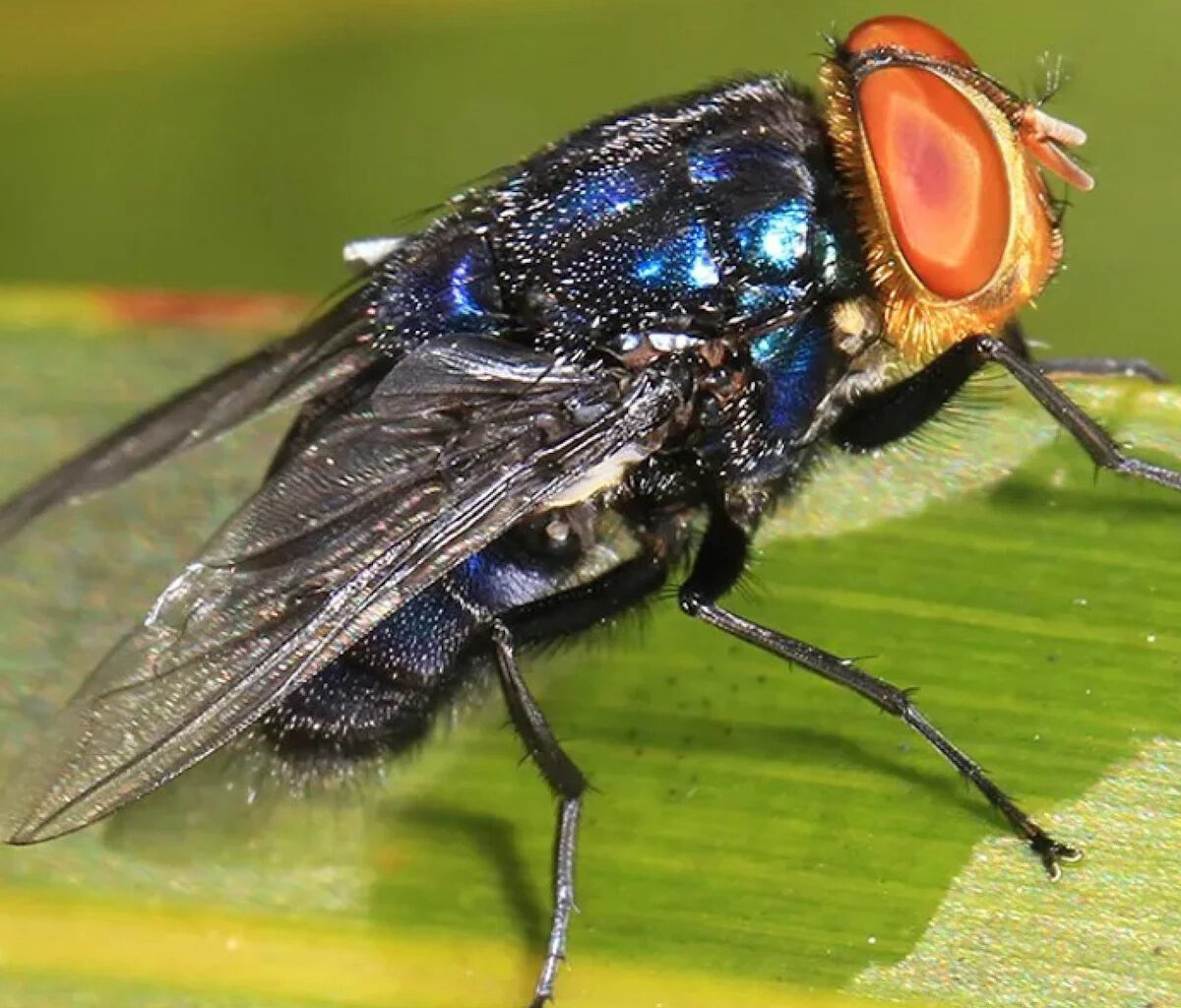
The adult New World screwworm fly is characterized by its large orange eyes and bluish or greenish metallic body and three back stripes. Arkansas experts urge ranchers to monitor livestock while emphasizing there is no food safety risk.
Midkiff said even minor injuries can provide an opportunity for infestation.
“It can be an umbilical site, a dehorning site, a scrape from barbed wire, even a tick bite,” Midkiff said. “The flies have to be present.”
Kelly Loftin, professor and extension entomologist, noted that the last significant U.S. outbreak occurred in the Florida Keys in 2016-17 and was eliminated through surveillance, sterile male fly releases and preventative animal treatment.
Federal officials said those same response tools remain available if additional cases are identified.
In a joint statement, U.S. Senate Agriculture Committee Chairman John Boozman of Arkansas and House Agriculture Committee Chairman Glenn “GT” Thompson of Pennsylvania said USDA has spent months preparing for a potential domestic detection and is ready to move into the next phase of its response.
The lawmakers said the detection “should not be cause for panic,” adding that USDA has an action plan to enhance surveillance, coordinate with state and federal partners and prevent further spread. They also noted the United States has successfully eradicated the pest before and expressed confidence it can do so again.
The federal government’s screwworm strategy has historically relied on surveillance, treatment of infected animals and the sterile insect technique, in which sterilized male flies are released to interrupt the pest’s reproductive cycle.
For Arkansas producers, vigilance is the most important tool.
“The big thing is going to be paying attention,” Midkiff said. “Keep an eye on wounds, signs and symptoms.”
Animals suffering from a screwworm infestation may develop a foul odor around a wound, become lethargic, lose their appetite or isolate themselves. Infestations around the head may cause excessive head shaking or drooping ears.
Midkiff said an infestation does not necessarily mean an animal must be euthanized. The U.S. Food and Drug Administration recently issued emergency use authorizations for several products intended to prevent and treat screwworm infestations in livestock, pets and other host species.
“Whether euthanasia is necessary will depend on the severity of the case,” Midkiff said. “But infestation can be treated. Clean the wound and remove all the larvae. Secondary bacterial infections may be common, so antibiotics may also be necessary.”
Although screwworm can affect humans, health officials say the immediate risk to people in the United States remains low.
Anyone who suspects a screwworm infestation in livestock or other domesticated animals should contact the Arkansas Department of Agriculture Animal Health Division. Suspected wildlife cases should be reported to the Arkansas Game and Fish Commission, while anyone who believes they or a family member may be affected should contact the Arkansas Department of Health.
This article originally appeared on Fort Smith Times Record: Arkansas livestock producers advised monitoring for screwworm