
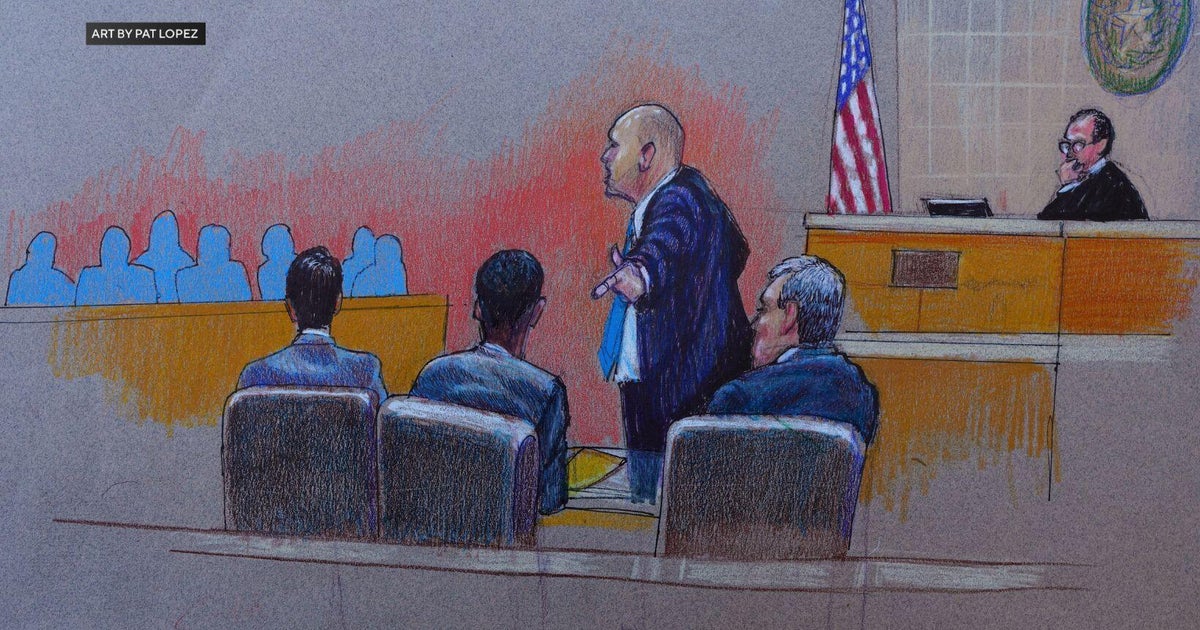
As the murder trial of 19-year-old Karmelo Anthony unfolds inside a Collin County courtroom, his defense team has asked jurors to consider the charge of manslaughter instead of murder.
While most states have a distinction between first-degree murder and second-degree murder, the state of Texas does not. Texas law only creates a difference between capital murder and murder.
Tuesday, before closing arguments, Anthony’s defense attorney also objected to the jury instructions not including criminally negligent homicide as a lesser charge that the jury could consider.
Prosecutor Bill Wirskye argued that criminally negligent homicide should not be an option for the jury because there is not “any evidence in the record that the defendant was unaware that his actions could lead to death.”
Collin County John Roach also overruled this objection.
What’s the difference between murder and manslaughter
According to Texas Penal Code § 19.02, the defendant, in this case Anthony, must have knowingly and willingly caused the death of another person to be charged with murder.
According to Texas Penal Code § 19.04, the defendant must be proven beyond a reasonable doubt to have recklessly caused the death of a person to be charged with manslaughter.
The major difference is the “intent” of the defendant.
How long does a murder sentence carry vs. manslaughter
If the jury decides to convict on the murder charge, Anthony would face a prison sentence of 5-99 years or life in prison. A manslaughter conviction would bring a sentence of 2-20 years in prison.
The charge of criminally negligent homicide is a state jail felony, the lowest level of felony offense in Texas law. A state jail felony brings a sentence of 6 months to 2 years in prison.