
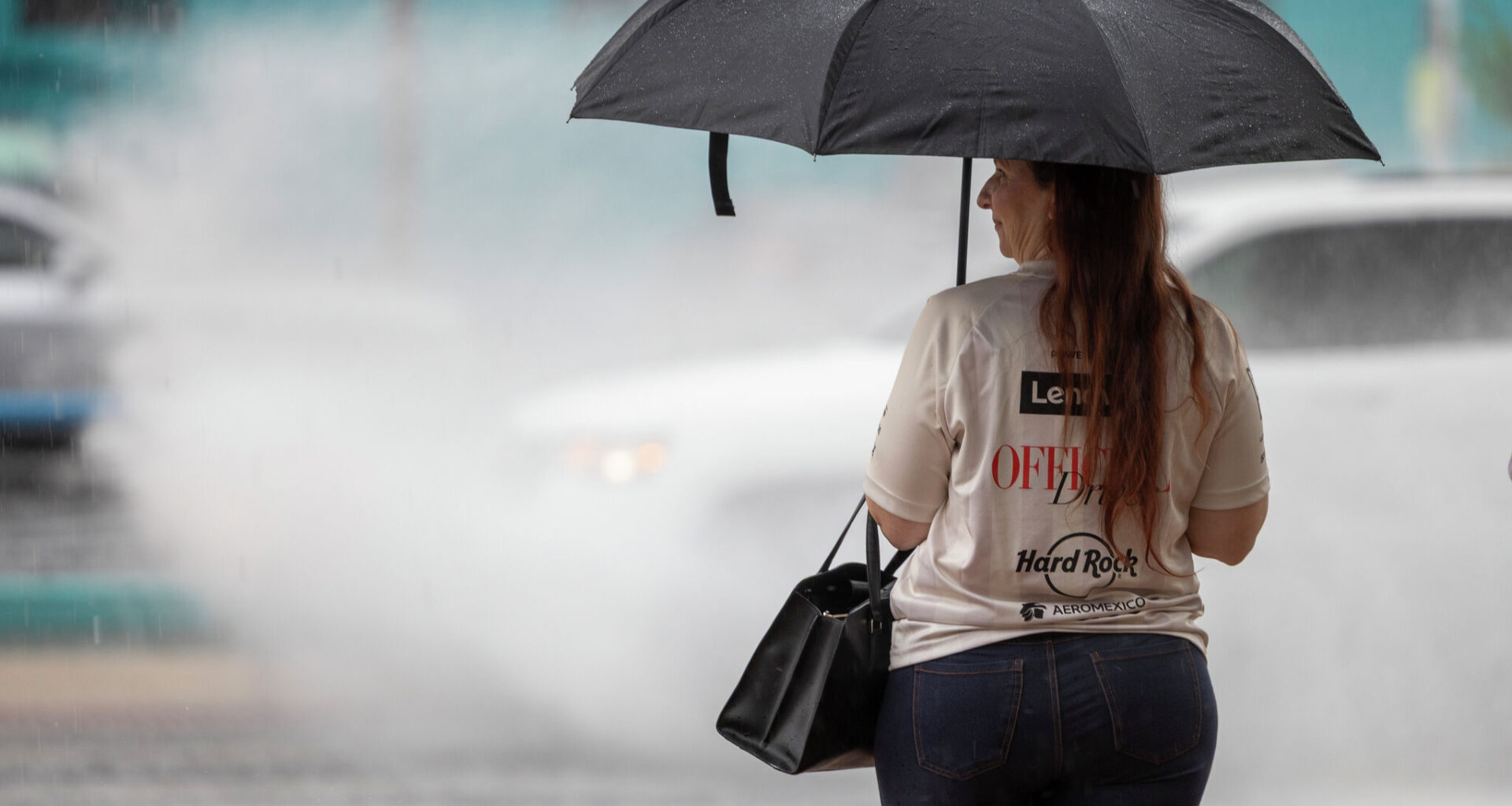
For the first few months of 2026, San Antonio got off to a very slow start in accumulating rainfall. From the start of January through the end of March, only 1.8 inches of rain was recorded in the Alamo City. That was the city’s third-driest start to a year in the past 50 years.
Once April arrived, however, the weather pattern across the southern Plains shifted dramatically. Frequent low pressure systems and cold fronts began moving into Texas, while increasing Gulf moisture fueled repeated rounds of thunderstorms across South-Central Texas.
In April alone, San Antonio recorded 7.46 inches of rain, making it the city’s third-rainiest April in the past 50 years. Nearly daily storm chances continued into May, which brought almost 6 more inches of rainfall. Finally, 3.01 inches of rain was also recorded during the first week of June.
In total, San Antonio has recorded 18.18 inches of rain so far this year. That’s 33% above normal and marks the rainiest start to a year since 2016.
Measurable rainfall has occurred on just 35 calendar days, less than the average of 40 days through this point in the year. That means San Antonio has experienced only a few days with particularly heavy rainfall, which have inflated the year’s rainfall total.
Two days stand out in particular. San Antonio recorded 4.42 inches of rain on April 20 and another 2.97 inches on June 5. Combined, those two days account for 41% of the city’s total rainfall so far this year.
Back in March, Bexar County was under extreme drought — the second-highest drought category issued by the U.S. Drought Monitor. Because of above-average rainfall during the first half of 2026, conditions have improved by two categories, and the county is now classified as being in moderate drought.
With all the moisture that has moved into the region, you may wonder how San Antonio could still be experiencing drought conditions at all? The answer lies in the longevity of the drought.
From the start of 2021 to the end of 2025, San Antonio is more than 47 inches of rain below average, the largest rainfall deficit of any large city in Texas. That prolonged lack of rain took a significant toll on soil moisture, vegetation, aquifer levels, and reservoirs. While the rainfall so far in 2026 has helped, the region still needs additional rain to fully eliminate the drought.
With a weak high pressure system overhead, rain chances in San Antonio will stay very low through Thursday. A pop-up shower is still possible, but overall rain chances will only be around 10%.
High pressure will weaken slightly Friday and into the weekend, allowing rain chances to rise to around 20% each day. However, this activity is still expected to be quite spotty, and any rainfall that does fall is expected to be brief.
Forecast models continue to suggest higher rain chances by late Monday and into early Tuesday of next week as a potential summertime cold front moves into the state. Rain chances currently stand at around 50%, and some storms could become strong, producing lightning, gusty winds, and isolated flooding.