
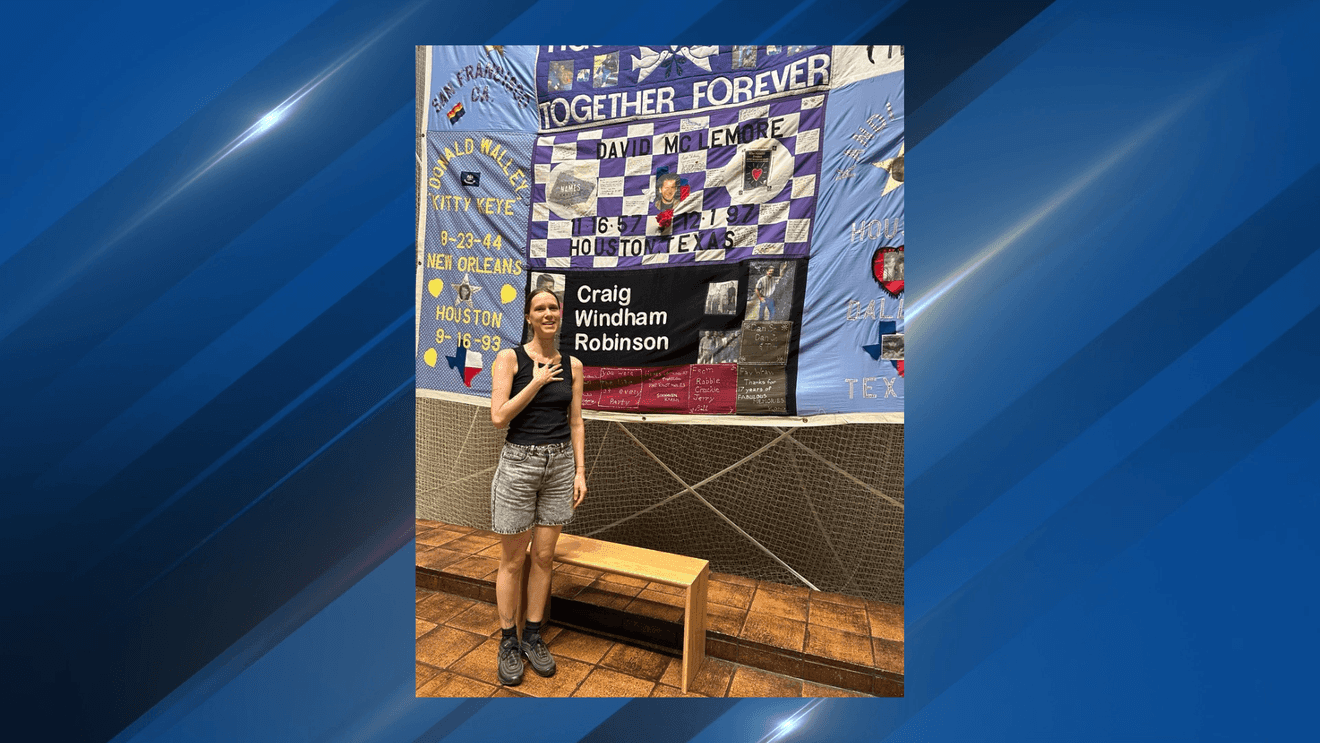
AUSTIN, Texas — Leah Shirley was on her way out of First Austin Church one August afternoon when she decided to stop and look at one more panel.
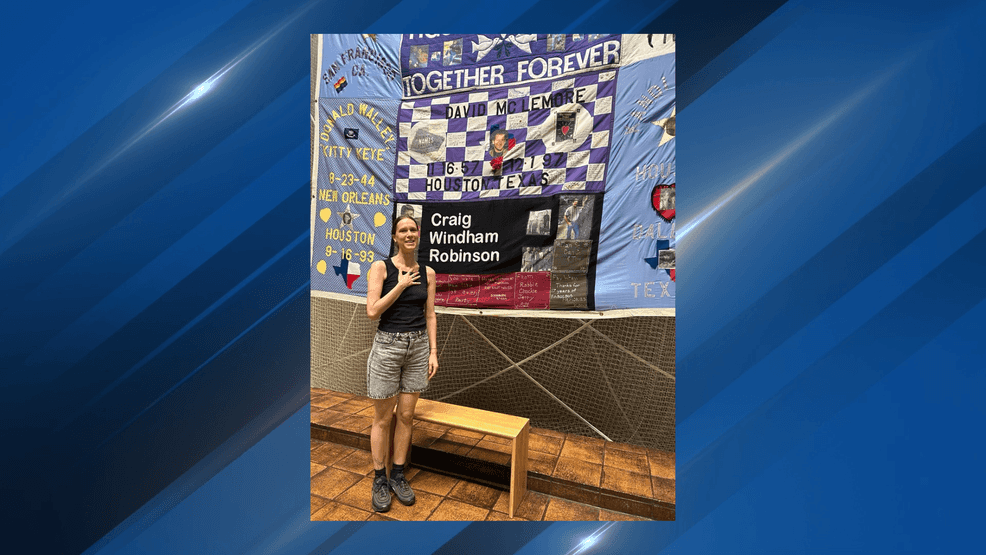
Leah Shirley stands beside the AIDS Memorial Quilt panel honoring her uncle, David McLemore, at First Austin Church in 2025. The encounter inspired her exhibition, “Observers of Beautiful Forms,” exploring grief, memory and connection. (Credit: Lead Shirley)
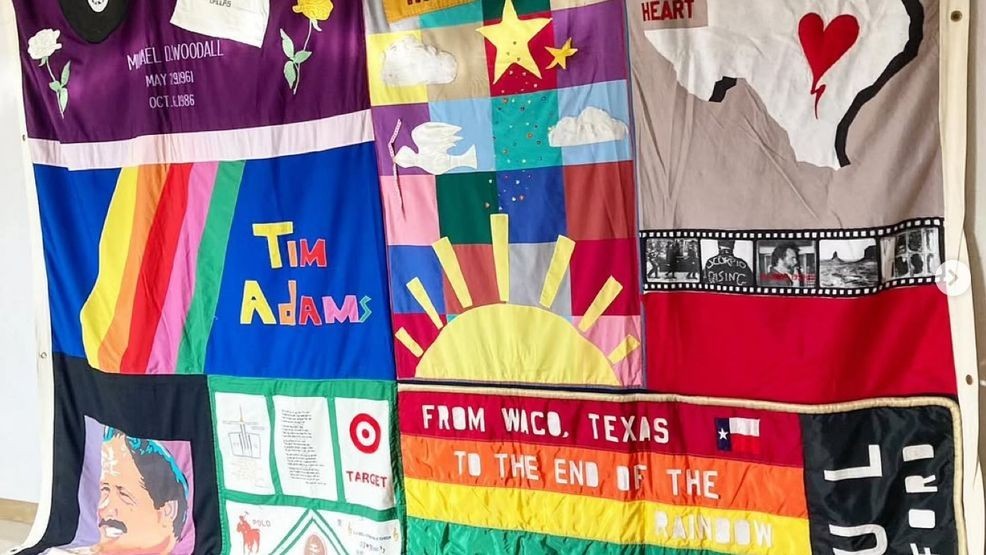
The AIDS Memorial Quilt had taken over the church that week, filling four floors with thousands of names, photographs, and fragments of lives cut short by HIV and AIDS.
Shirley had spent the afternoon wandering through the exhibition and thought she had seen nearly everything.
The AIDS Memorial Quilt was displayed at First Austin Church in Austin in 2025, featuring 34 quilt blocks memorializing more than 270 lives lost to HIV and AIDS.
Then she walked into the sanctuary.
“I knew he had a panel in the AIDS quilt,” she said.
But I had no idea it would be at this exhibition or that it was in town.
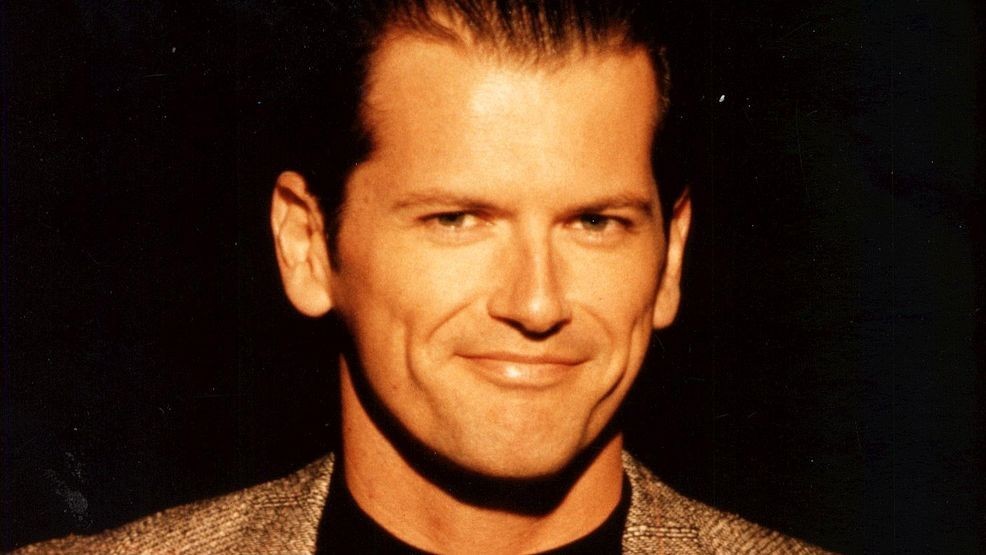
Across the room, stitched into the fabric of a quilt panel, was a photograph of her uncle David McLemore.
Austin artist reunites with uncle’s AIDS Quilt panel, turns grief into a new art show (Credit: Lead Shirley)
For a moment, time seemed to collapse.
“As soon as I walked in,” she said,
I felt like I was looking at him. He was there. He was present.
McLemore had died in December 1997 from complications related to AIDS. He was 40 years old. Shirley was 10.
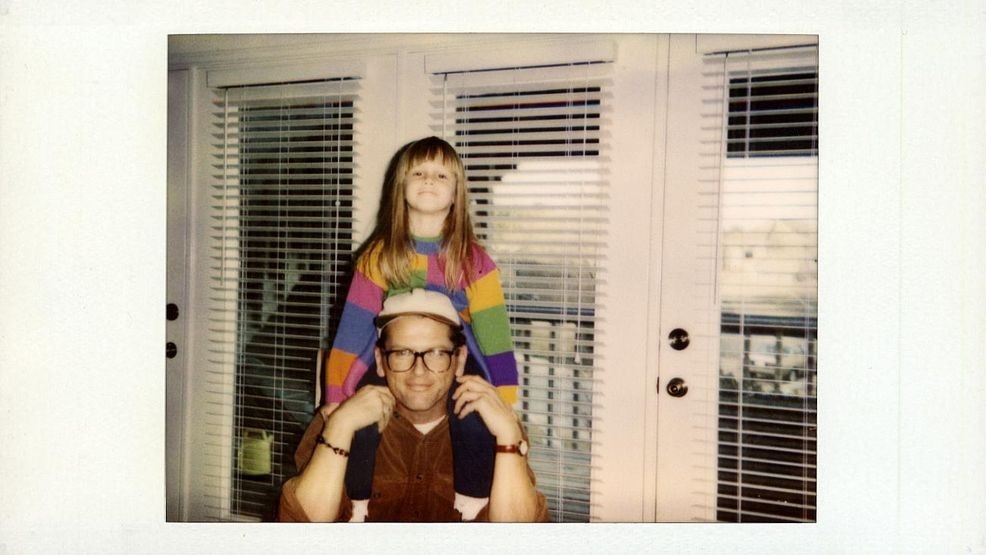
Austin artist reunites with uncle’s AIDS Quilt panel, turns grief into a new art show (Credit: Lead Shirley)
MORE | Round Rock to unveil Texas historical marker honoring trailblazing performer Barbette
Nearly three decades later, standing inside a church in downtown Austin, she felt as though she had unexpectedly found him again.
The experience was so overwhelming that she cried.
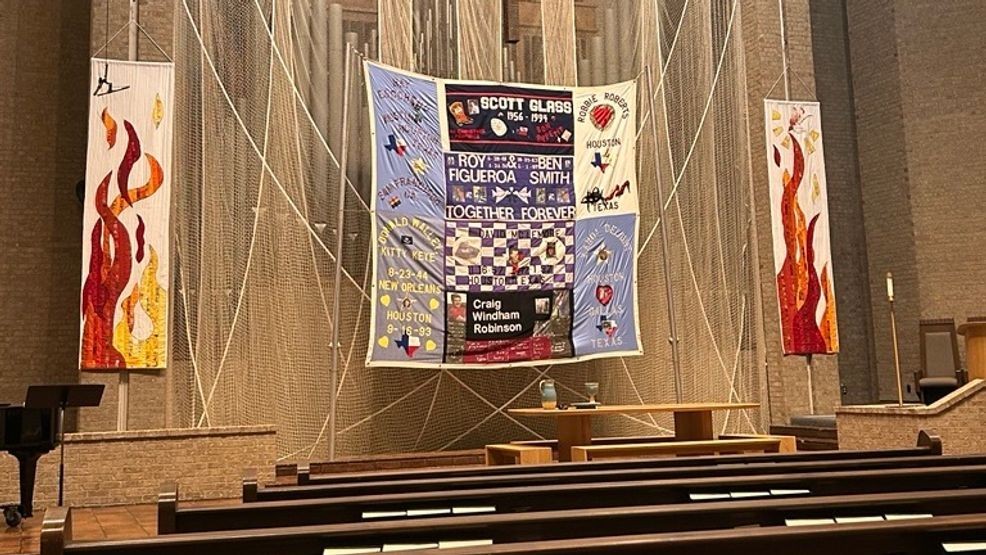
Visitors explore the AIDS Memorial Quilt at First Austin Church in Austin in 2025. The exhibition honored more than 270 people lost to HIV and AIDS and reconnected families with loved ones remembered in the fabric.
“It was incredibly emotional,” she said.
Just talking about it makes me so emotional.
Then she stopped speaking for a moment.
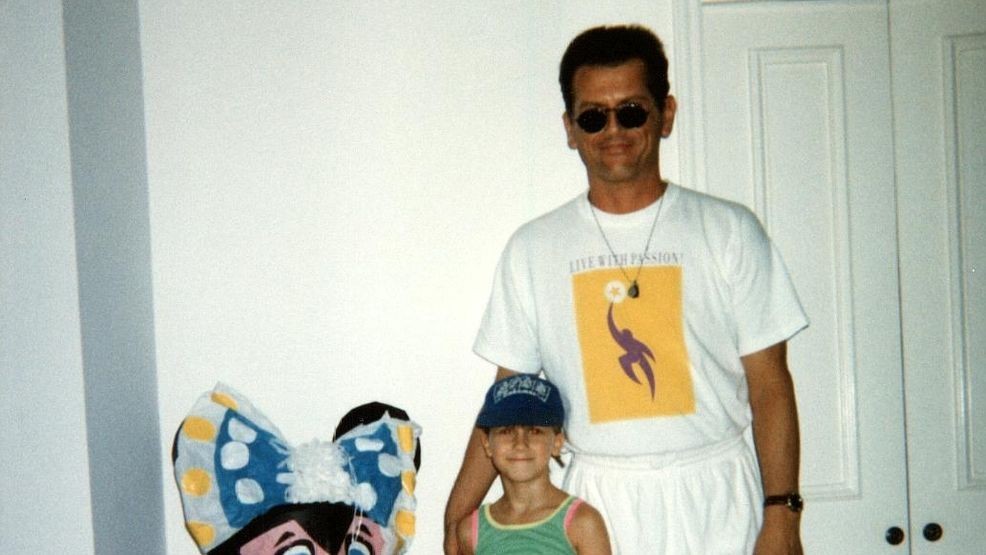
Austin artist reunites with uncle’s AIDS Quilt panel, turns grief into a new art show (Credit: Lead Shirley)
“He was a beautiful person,” she said quietly. “It’s just so wild that it can be 30 years.”
What Shirley discovered that afternoon was more than her uncle’s quilt panel. She found a version of herself she had almost forgotten.
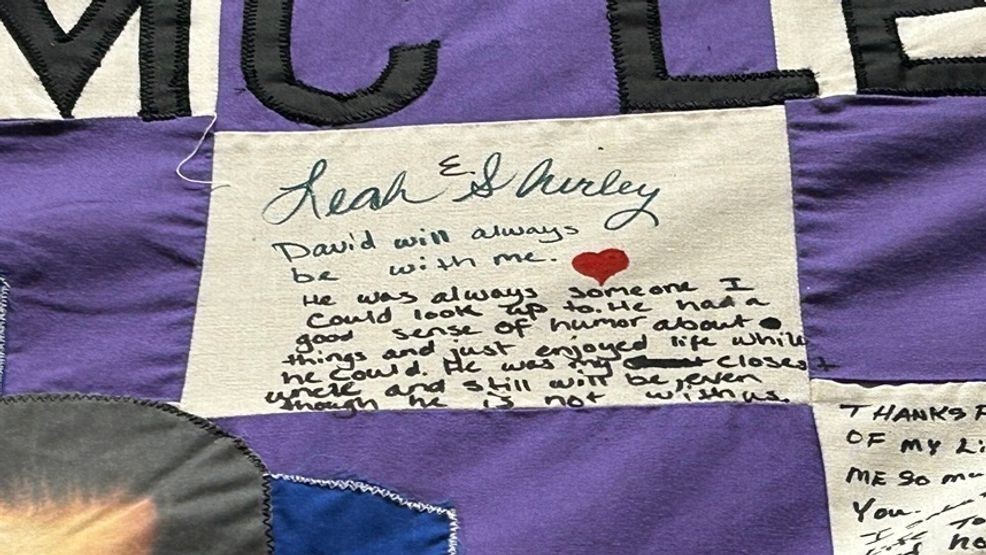
Looking closely at the fabric, she noticed a familiar signature.
The AIDS Memorial Quilt was displayed at First Austin Church in Austin in 2025, featuring 34 quilt blocks memorializing more than 270 lives lost to HIV and AIDS.
It was her own.
Months after McLemore’s death, Shirley’s family had helped create his quilt panel for the National AIDS Memorial Quilt.
At some point in 1998, a grieving fourth grader added a handwritten message.
“I said David will always be with me,” she recalled recently.
He was always someone I could look up to. He had a good sense of humor about things and just enjoyed life while he could.
She had no memory of writing it.
The words felt less like something remembered than something discovered.
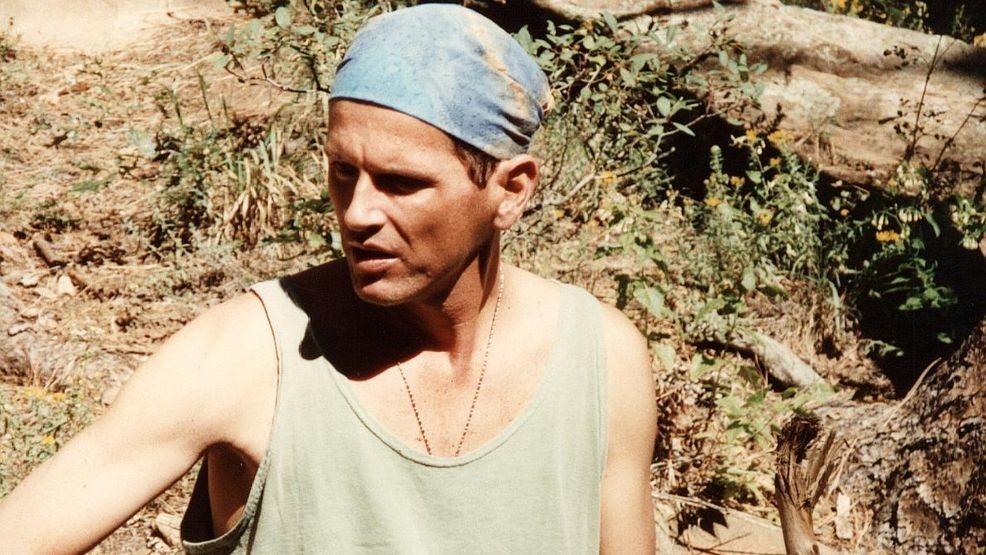
Austin artist reunites with uncle’s AIDS Quilt panel, turns grief into a new art show (Credit: Lead Shirley)
For years, Shirley had assumed she had already grieved her uncle.
ALSO | East Austin’s Vui Lên Farm grew from a son’s love as his mom battled brain cancer
Or perhaps more accurately, she had assumed grief was something that happened all at once.
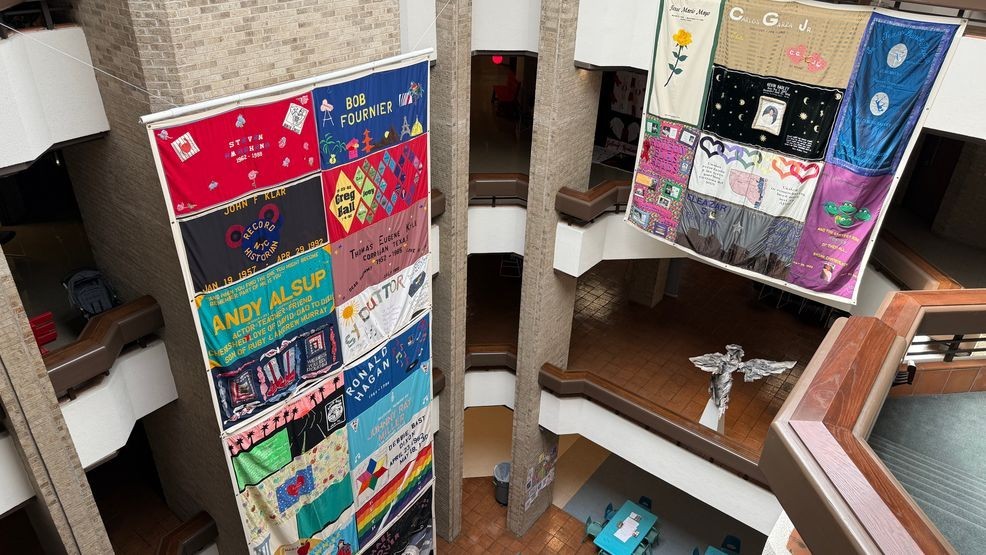
Visitors explore the AIDS Memorial Quilt at First Austin Church in Austin in 2025. The exhibition honored more than 270 people lost to HIV and AIDS and reconnected families with loved ones remembered in the fabric.
David had been sick for most of her childhood. He had been diagnosed with HIV before she was born and spent years navigating an illness that, at the time, still carried enormous fear and stigma.
Hospital visits were part of life.
But so were jokes. So was laughter.
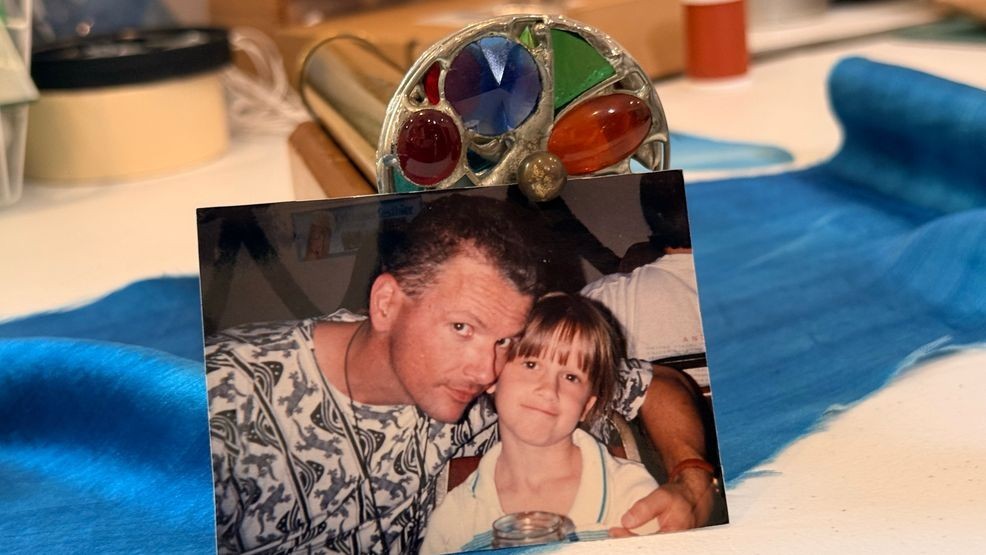
For nearly three decades, this brass kaleidoscope has connected Leah Shirley to her late uncle, David McLemore. Today, it inspires an exhibition born from remembrance and healing.
“He was so playful,” Shirley said.
He was so funny. As a child, I just thought he was magical. It was never, ‘That’s my sick uncle.’ It was my Uncle David.
An architect in Houston, McLemore loved design, beautiful spaces and practical jokes.
Shirley remembers calling him to talk about episodes of “I Love Lucy” she had watched on Nick at Nite. He listened. He laughed. He made time.
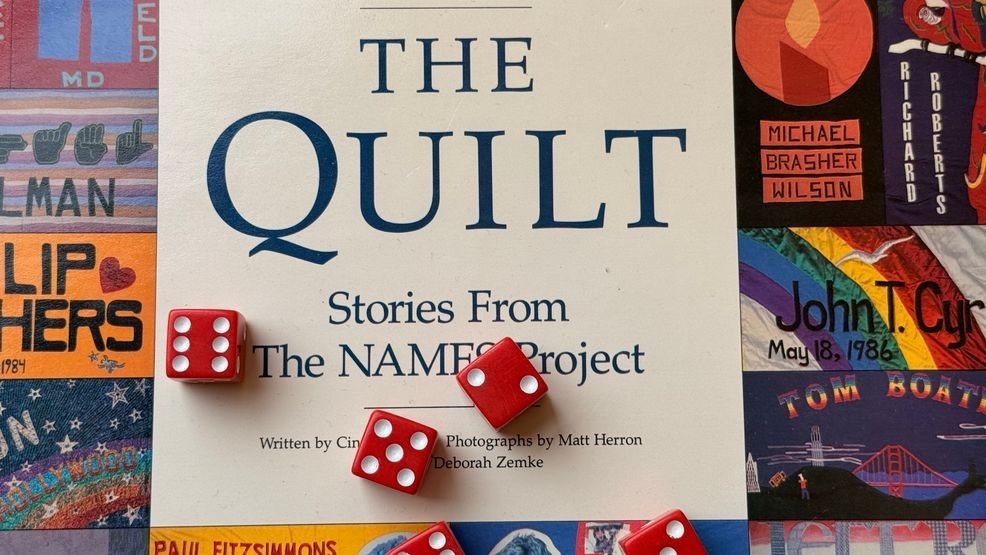
Austin artist reunites with uncle’s AIDS Quilt panel, turns grief into a new art show
Looking back now, she is struck by the fact that he knew his time was limited.
“He really made a point to spend as much time with us as he could,” she said.
The quilt helped her understand that loss differently.
Unlike a cemetery, it moves.
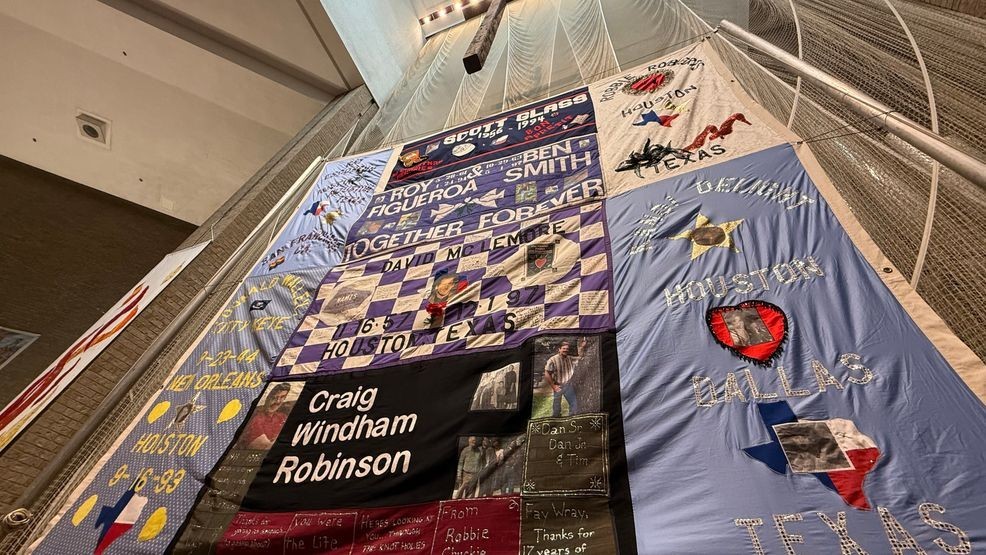
The AIDS Memorial Quilt was displayed at First Austin Church in Austin in 2025, featuring 34 quilt blocks memorializing more than 270 lives lost to HIV and AIDS.
Created in 1987 by activist Cleve Jones, the AIDS Memorial Quilt was designed as a public act of remembrance during the height of the AIDS crisis.
Today it contains nearly 50,000 panels dedicated to more than 110,000 people. Families contribute photographs, clothing, favorite objects and handwritten messages.
The quilt travels constantly, carrying those memories from city to city.
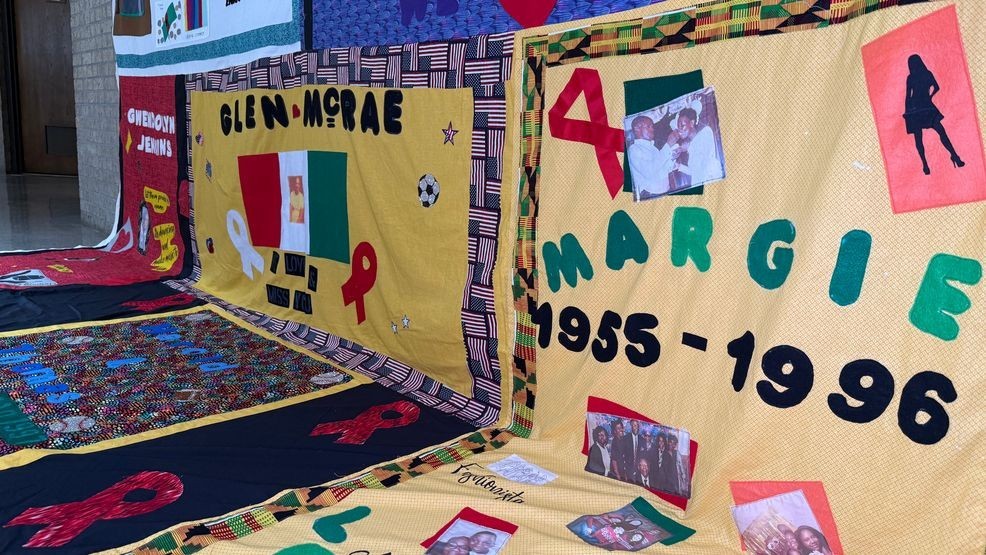
The AIDS Memorial Quilt transformed First Austin Church in Austin in 2025, displaying 34 blocks that honored more than 270 lives lost to HIV and AIDS.
Last August, one of Texas’ largest AIDS Memorial Quilt exhibitions in decades arrived in Austin, featuring 34 blocks memorializing more than 270 lives lost to HIV and AIDS.
Dave Anderson, a volunteer coordinator with Kind Clinic who spent years helping organize the exhibition, still finds himself talking to the panels.
MORE| #TBT: Austin Rainbow Theatre stages Hedwig and the Angry Inch as queer resistance in Texas
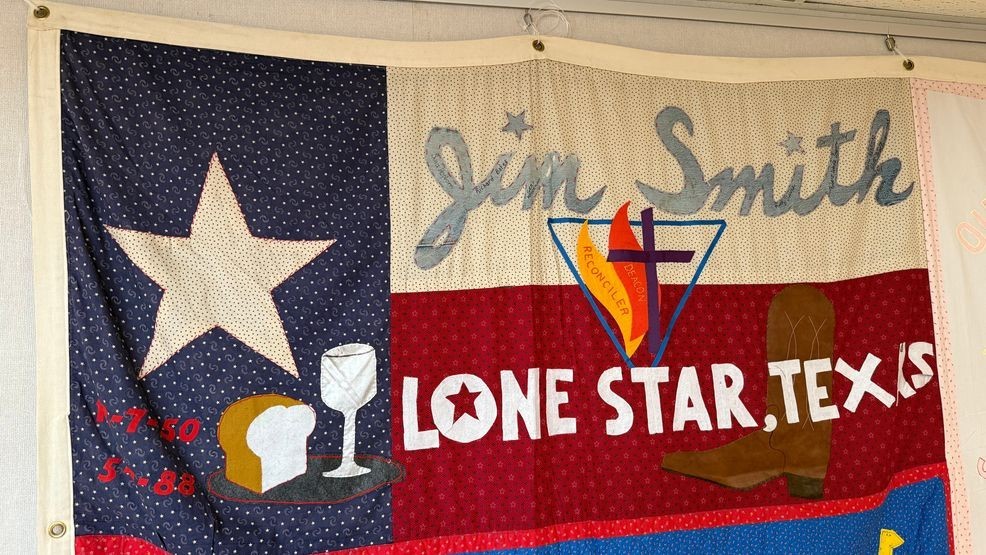
The AIDS Memorial Quilt was displayed at First Austin Church in Austin in 2025, featuring 34 quilt blocks memorializing more than 270 lives lost to HIV and AIDS.
“There are times that as I walk through and turn on lights and things,” he said, “that I’ll just reach over and tell them, ‘You are not forgotten.'”
That promise sits at the heart of the quilt. But for Shirley, the exhibit did something unexpected. It transformed remembrance into conversation.
After finding David’s panel, she sought out Anderson.
The AIDS Memorial Quilt was displayed at First Austin Church in Austin in 2025, featuring 34 quilt blocks memorializing more than 270 lives lost to HIV and AIDS.
“I told him my uncle was in there,” she said.
The two embraced. Both cried.
Later she called her mother, David’s sister, and told her that the panel was in Austin.
“Uncle David’s here,” she said.
Soon her mother came to see it too.
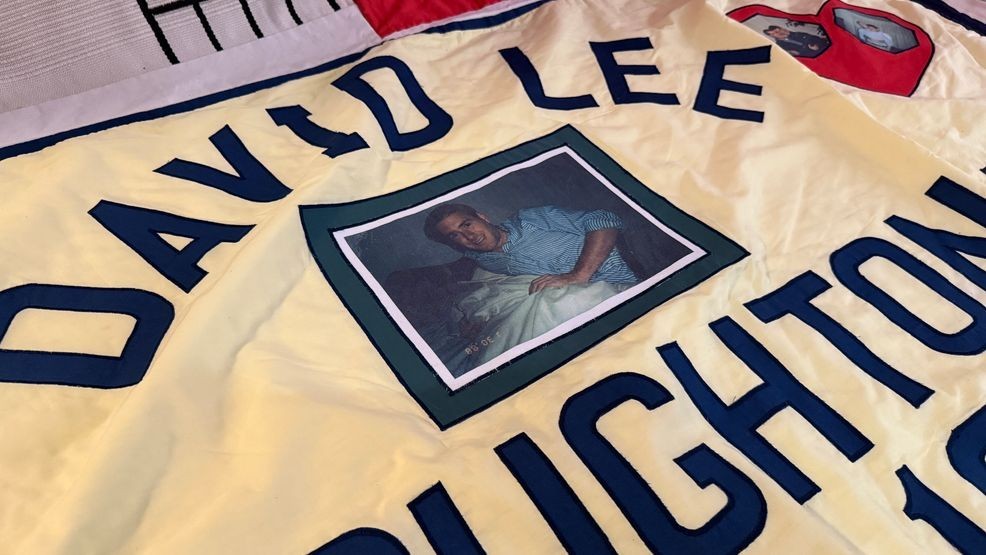
The AIDS Memorial Quilt was displayed at First Austin Church in Austin in 2025, featuring 34 quilt blocks memorializing more than 270 lives lost to HIV and AIDS.
The experience reopened conversations that had been dormant for decades and set in motion something neither Shirley nor Anderson expected.
A month later, Shirley sent him a note thanking him for the exhibition.
He looked up her artwork online. Then he wrote back. You should do a show here.
The exhibition that emerged from that invitation opens this month at the same church where she found David’s quilt panel.
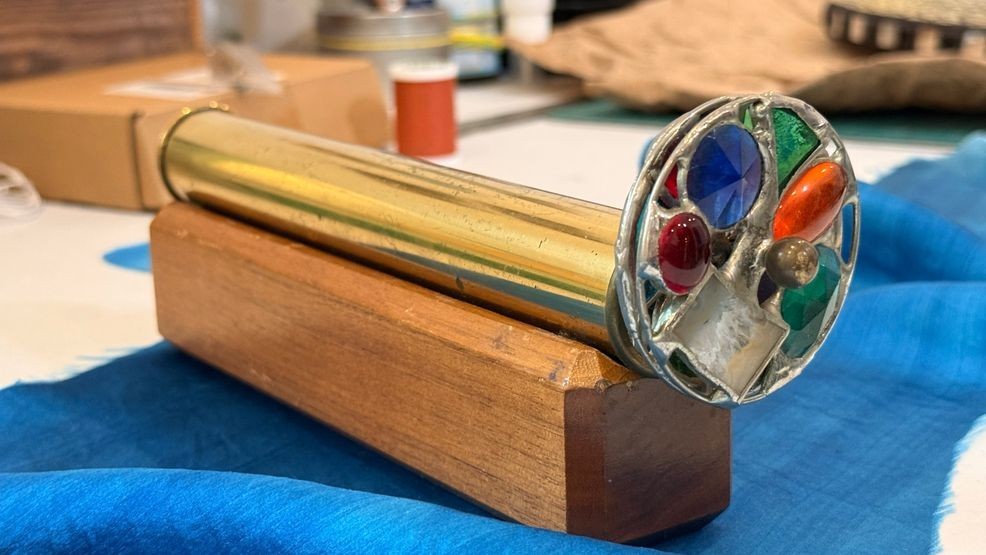
A brass kaleidoscope left to Austin artist Leah Shirley by her uncle, David McLemore, serves as the inspiration for her new exhibition, “Observers of Beautiful Forms.”
Called “Observers of Beautiful Forms,” it takes its name from the Greek roots of the word kaleidoscope.
At the center of the installation is a brass kaleidoscope McLemore left to Shirley before he died.
Of all the objects she has carried through adulthood, it is the one that never left.
Visitors explore the AIDS Memorial Quilt at First Austin Church in Austin in 2025. The exhibition honored more than 270 people lost to HIV and AIDS and reconnected families with loved ones remembered in the fabric.
“It was really instinctual,” she said.
The show has to be a collaboration with him.
The kaleidoscope requires light to work. It asks the viewer to look upward.
For Shirley, whose artistic practice centers on light and experimental photography, the symbolism felt impossible to ignore.
Visitors explore the AIDS Memorial Quilt at First Austin Church in Austin in 2025. The exhibition honored more than 270 people lost to HIV and AIDS and reconnected families with loved ones remembered in the fabric.
ALSO | Remembrance and hope service to join National AIDS Memorial Quilt display in Austin
She now creates images through the kaleidoscope and prints them onto reflective aluminum surfaces that shimmer as viewers move around them.
The work, she says, feels less like a tribute than a dialogue.
“It feels like we’re collaborating because I’m using this tool that he gave me that has been this point of our connection,” she said.
In order to make these images, I also have to look up at him and talk to him.
She laughed when asked what her uncle might think of the exhibition.
Then she answered her own question.
“I think he’s definitely the reason this is all happening,” she said. “I think he would love it.”
The revelation that has stayed with her most, however, has little to do with art.
It has to do with time.
Because somewhere between the child who signed a quilt panel in 1998 and the artist who discovered it again nearly 30 years later, grief had simply been waiting.
“It’s not too late to grieve,” she said. “It can happen anytime.”
“Observers of Beautiful Forms” opens June 13 at First Austin Church in downtown Austin. An opening reception begins at 3 p.m., and the exhibition will remain on view throughout the summer. Shirley will attend the opening and speak with visitors about the work, the quilt, and the uncle whose memory inspired both.