
College athletics has become the Wild, Wild West, with seemingly little ability to self-regulate or enforce its own rules. It’s a system that desperately needs reform — but be careful which reforms you support.
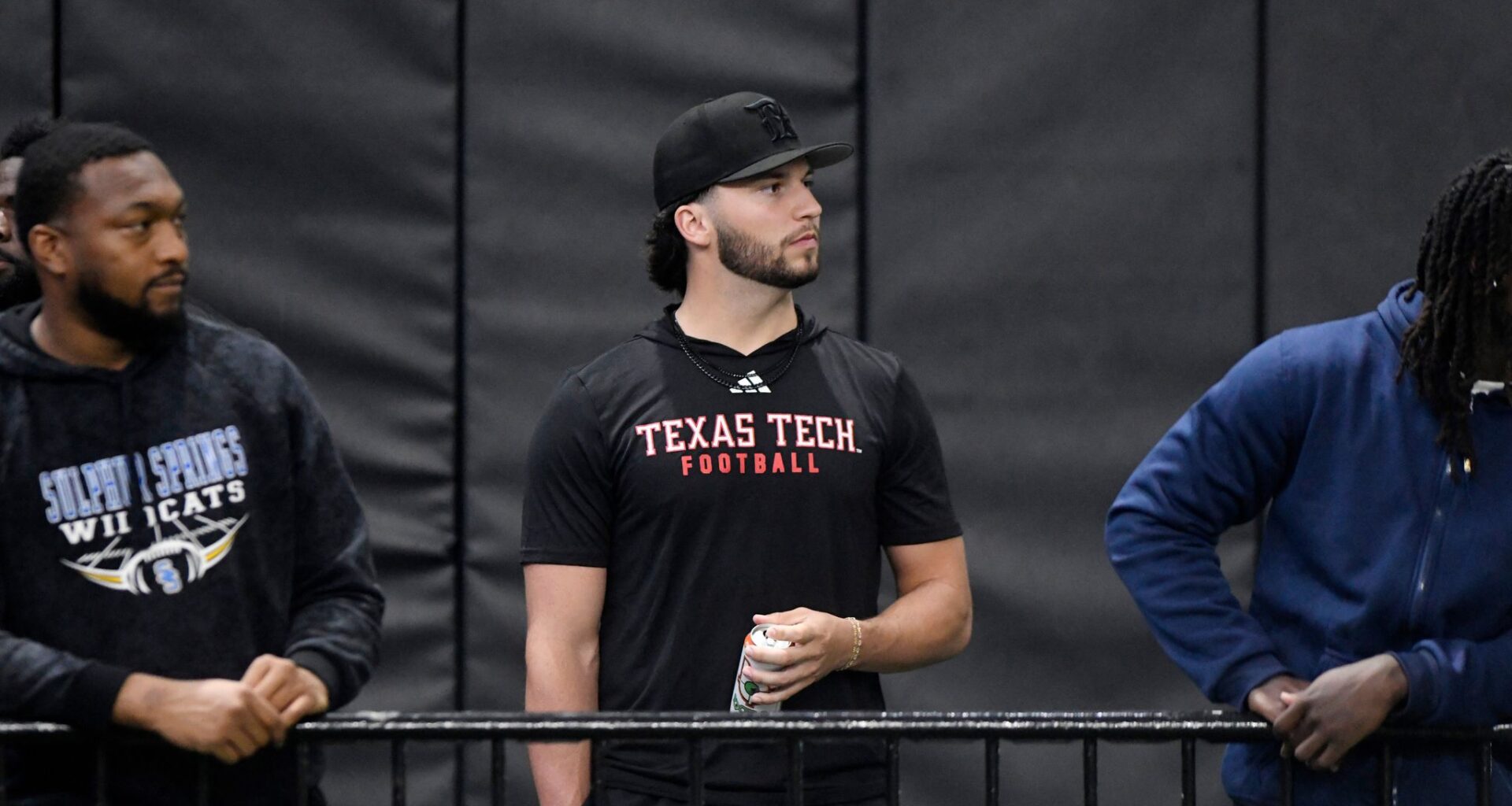
Never has this been clearer than the recent embarrassing saga surrounding Texas Tech quarterback Brendan Sorsby, who transferred from Cincinnati after receiving $5 million in Name, Image and Likeness funding, supported by a billionaire Texas Tech booster.
While a college football player, Sorsby admitted he placed thousands of bets totaling nearly $100,000, including at least 40 bets on his own team, Indiana, when he was a freshman.
The most important rule in sports is that you cannot wager on your own team, and you really shouldn’t be wagering at all. These rules are drilled into the heads of college athletes.
So it makes sense that the governing body for college sports, the NCAA, banned Sorsby from competing for violating this obvious rule so flagrantly.
End of issue, right?
No. Sorsby sued in West Texas, and Judge Ken Curry of the 99th District Court in Lubbock County issued a temporary injunction allowing Sorsby to play during the 2026 season, suspending him for only the first two games. The next hearing in the matter is conveniently scheduled after the season ends.
The NCAA immediately and strongly condemned the ruling, stating it “undermines and corrupts the integrity of sports.” But that doesn’t stop a judge from setting a dangerous precedent for betting on one’s own contests. Any player, coach or school that disagrees with an NCAA ruling can just sue and override it.
To state the obvious: The NCAA must be able to enforce its own rules without being undermined by a local judge in a college town.
The billionaire booster who enabled Sorsby’s transfer to Texas Tech and is cheerleading for his reinstatement is Cody Campbell, who has gone so far as to threaten lawsuits against anyone who attempts to punish Texas Tech.
Sorsby is apparently putting an end to the entire saga by leapfrogging college football and entering the NFL supplemental draft.
But Campbell hasn’t given up. He’s currently selling Congress a bill he claims will fix college sports chaos — while actively proving it won’t. This legislation, the Protect College Sports Act, opens the door to more cases like Sorsby’s by leaving intact the legal avenue that he used. Campbell’s bill deserves to be dead on arrival in the U.S. Senate.
That’s because this is anything but a neutral reform effort. The bill is coming not just from Campbell, but from a coalition of billionaires and investors using Washington to rewrite rules to protect their business interests. Drafters include e New York Yankees President Randy Levine and Gerry Cardinale, founder of RedBird Capital — the same firm that struck the first conference-wide private equity deal in college sports with the Big 12.
Back here in Texas, we still have to deal with the fallout of Texas Attorney General Ken Paxton absurdly injecting himself into the whole fight. The attorney general sent a formal letter to Big 12 Commissioner Brett Yormark threatening the conference with legal action if it sanctions Texas Tech for playing Sorsby, claiming that any sanction would be a “per se violation of federal and state antitrust laws.”
Never mind that conferences can set and amend their bylaws at any time. And reportedly, that’s exactly what’s going on: The other members of the Big 12 were considering a range of options, including canceling all conference games with Texas Tech and expelling the school from the league.
But Paxton’s letter — signed by the chiefs of the Texas attorney general’s office antitrust and litigation divisions — claimed any Big 12 sanction would be a “per se violation of federal and state antitrust laws.”
Paxton threatened the conference by stipulating its financial exposure at “substantially more than $200 million” in lost revenue, alumni contributions, recruiting damages, and attorneys’ fees — plus separate breach-of-contract and tortious-interference claims for any altered games.
His letter landed one day after Campbell teed it up on a sports podcast, calling potential boycotts “antitrust violations.” Paxton — the Republican nominee for U.S. Senate in Texas — swung the same bat for him by threatening litigation.
Paxton’s lawsuit threat may be moot at this point, the contradiction remains: Campbell is asking Congress to grant the NCAA an antitrust exemption so it can enforce rules without being sued, right after wanting to use antitrust law to stop a conference from enforcing rules against him.
He wants antitrust immunity when it shields his interests, and antitrust liability when it shields his quarterback. Senators should ask which Cody Campbell will show up the day after this bill passes.
Campbell is selling the Protect College Sports Act as the solution to exactly this kind of chaos — but his own bill expressly preserves state contract law from federal preemption.
That is the precise legal lane Sorsby’s lawyers used to win his reinstatement.
The act also includes a provision to pool college sports media rights — opening the door for private equity megadeals — deals that could be structured by the same RedBird Capital that co-drafted the bill.
Congress should not hand an antitrust exemption and the keys to college sports to the people actively ensuring that the bill can’t deliver what they promise.
College sports need a legal framework that restores the NCAA’s ability to enforce its own rules — not a government takeover engineered by boosters and private equity investors looking for a return.
The Sorsby ruling shows exactly what happens when money overrides integrity. The Protect College Sports Act puts the people responsible for that misalignment in charge of fixing it. Congress should demand better.
Matt Mackowiak is president of Potomac Strategy Group, which is based in Austin and Washington, D.C. He’s a former senior advisor to three U.S. senators and a governor.