
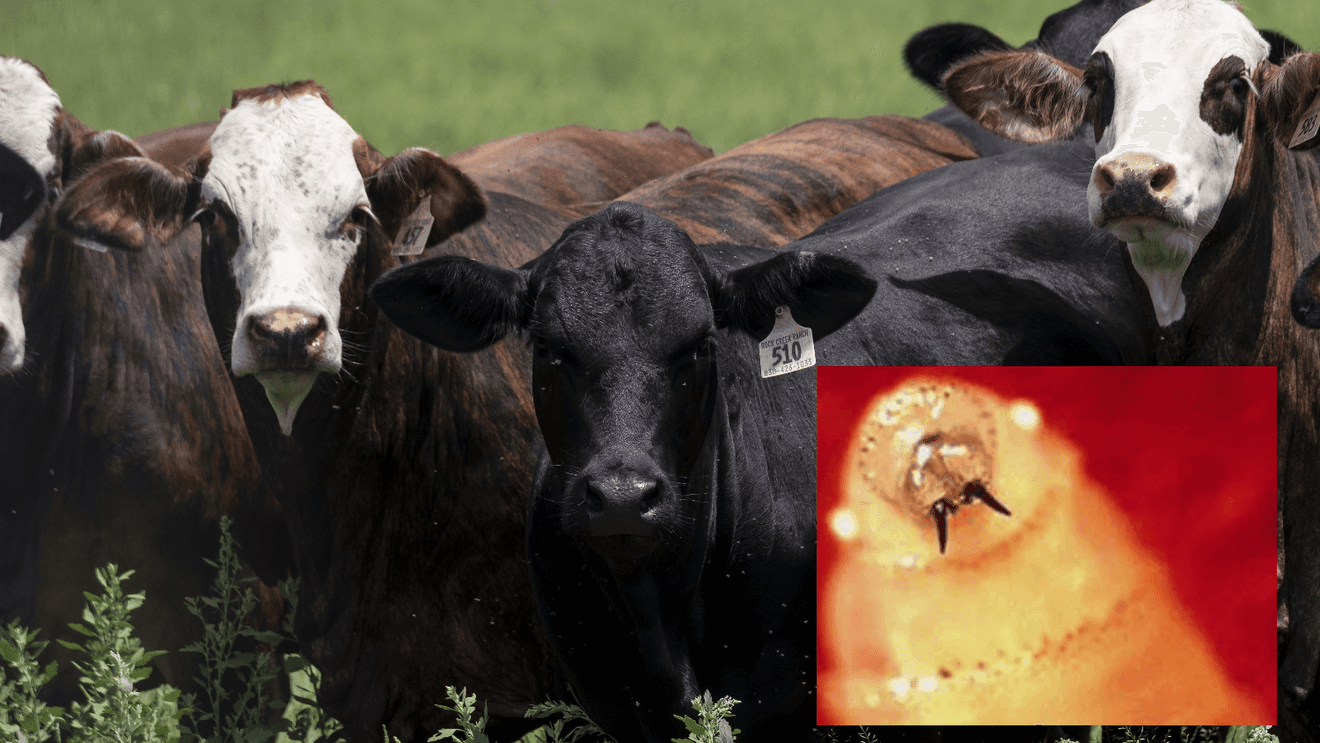
The discovery of New World screwworm cases in Texas has raised concerns among farmers, ranchers and pet owners across the country.
But a University of Tennessee expert says there’s one important thing people should know.
An infected animal can recover.
“An infested animal is not a death sentence,” said Becky Trout Fryxell, a professor of medical and veterinary entomology at the University of Tennessee.
New World screwworm is not actually a worm.
It’s the larval stage of a fly.
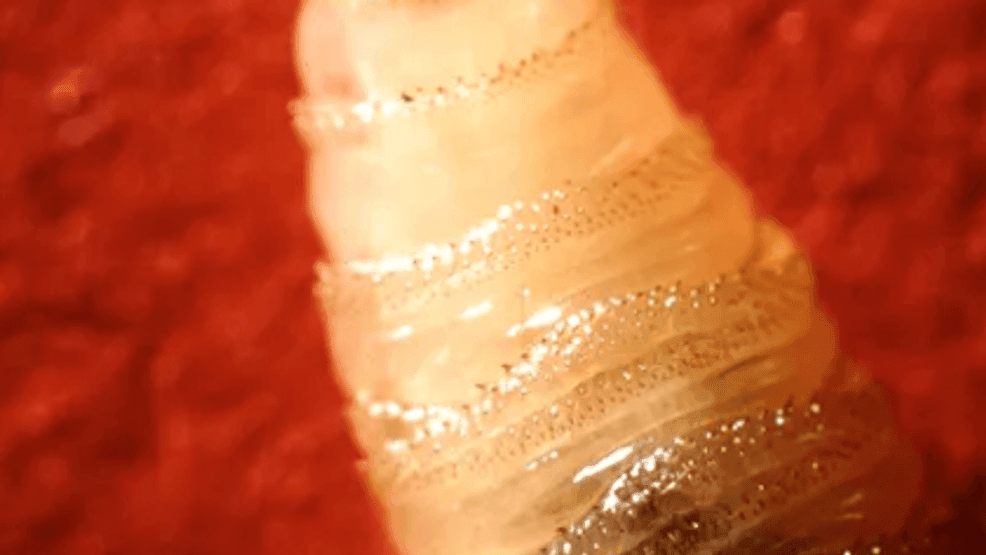
The adult fly lays eggs in an open wound, and the maggots feed on living tissue as they grow.
“The female fly will lay their eggs in an open wound, and when those maggots hatch from their eggs, instead of feeding on anything else, they’re feeding on live tissue of an animal,” said Fryxell.
Those wounds can become larger and more serious if left untreated.
Eugene McCallie, a cattle farmer, says beef prices are high right now because of low heifer populations.
“If there was a large outbreak, it would definitely have an impact on prices,” said McCallie.”Right now the demand is increasing and quite a bit substantially higher as the years have progressed.”
Cases have recently been confirmed in cattle and goats in Texas, prompting renewed attention on a pest that was largely eradicated from the United States decades ago.
The fly has not been detected in Tennessee.
Fryxell said good animal care remains one of the best defenses.
Whether it’s a cattle producer checking livestock after calving or a pet owner treating a cut on a dog’s paw, she said monitoring wounds and seeking treatment early can prevent bigger problems.
“The sooner you detect it, though, is going to be the best response,” Fryxell said.
The concern extends beyond cattle.
The flies can affect many mammals, including pets, wildlife and humans.
Still, Fryxell stressed that human cases are uncommon and typically involve situations where wounds go untreated.
“If your animal’s happy and healthy, things will be okay,” she said.
The recent cases have also fueled concerns about cattle supplies and beef prices.
Fryxell said the flies themselves are not what drives the market.
“I’m not an ag economist,” she said. “I don’t think the flies control the market.”
What gives researchers confidence is that this is not a new threat.
The United States has successfully eradicated New World screwworm before, including a 2016 outbreak in Florida that affected endangered Key deer.
Fryxell said officials already know how to respond.
If a case is detected, affected animals can be treated, quarantine zones can be established and sterile flies can be released to stop the population from reproducing.
“The animal doesn’t have to be put down, the herd doesn’t have to be put down,” Fryxell said.
She said cooperation between farmers, veterinarians and government agencies will be key if additional cases are found.
“Nobody’s doing anything on purpose to have New World screwworm on their properties,” Fryxell said. “It’s something that happens, we recognize it, but we’ll respond to it.”
For now, Tennessee remains free of New World screwworm, but experts encourage livestock owners and pet owners to stay informed, inspect animals regularly and contact a veterinarian if they notice anything unusual.
Depend on us to keep you posted.