
FDA warns of risks from unapproved and illegally marketed weight-loss drugs
The U.S. Food and Drug Administration is warning patients and health care providers about rising concerns involving unapproved, compounded, and illegally marketed versions of popular GLP-1 weight-loss medications, including semaglutide and tirzepatide.
The agency says some patients and providers are turning to these alternatives when FDA-approved drugs are unavailable or costly. However, officials stress that unapproved versions do not undergo FDA review for safety, effectiveness, or quality before reaching the market, raising the risk of serious health consequences.
Growing concerns over compounded and unapproved products
Compounded drugs may be appropriate only when a patient’s medical needs cannot be met by an FDA-approved medication, according to the agency. Even then, they should be obtained through a valid prescription and filled at a state-licensed pharmacy.
The FDA has flagged several concerns involving compounded GLP-1 products, including incorrect dosing, improper storage during shipping, and the use of unapproved ingredients. Injectable versions of these medications must be refrigerated, but some reports indicate shipments have arrived warm or without adequate cooling, potentially compromising effectiveness.
The agency also warns that certain substances, including retatrutide and cagrilintide, cannot legally be used in compounding and have not been proven safe or effective for any condition.
Telehealth and online safety red flags
As demand for weight-loss medications grows, the FDA is urging consumers to be cautious of telehealth platforms and online sellers that may be distributing unsafe or fraudulent products.
Warning signs include claims that compounded drugs are identical to FDA-approved versions, unusually low prices, lack of medical screening, no access to a licensed prescriber, and poorly labeled or suspicious packaging. The agency also cautions against products labeled with unfamiliar or potentially fake pharmacy names.
Consumers are advised to only obtain medications through licensed pharmacies and to consult their health care provider before starting or changing any treatment.
Reports of adverse events and dosing errors
The FDA has received hundreds of adverse event reports linked to compounded versions of semaglutide and tirzepatide, including cases involving nausea, vomiting, abdominal pain, and other gastrointestinal symptoms. Some reports required hospitalization.
Dosing errors have also been identified, often involving patients or providers incorrectly measuring injectable medications or using dosing schedules that exceed approved labeling. Officials say such mistakes can significantly increase health risks.
The agency notes that semaglutide salt forms, including semaglutide sodium and semaglutide acetate, are not equivalent to the active ingredient used in FDA-approved drugs and are not authorized for compounding.
Counterfeit and illegal products in circulation
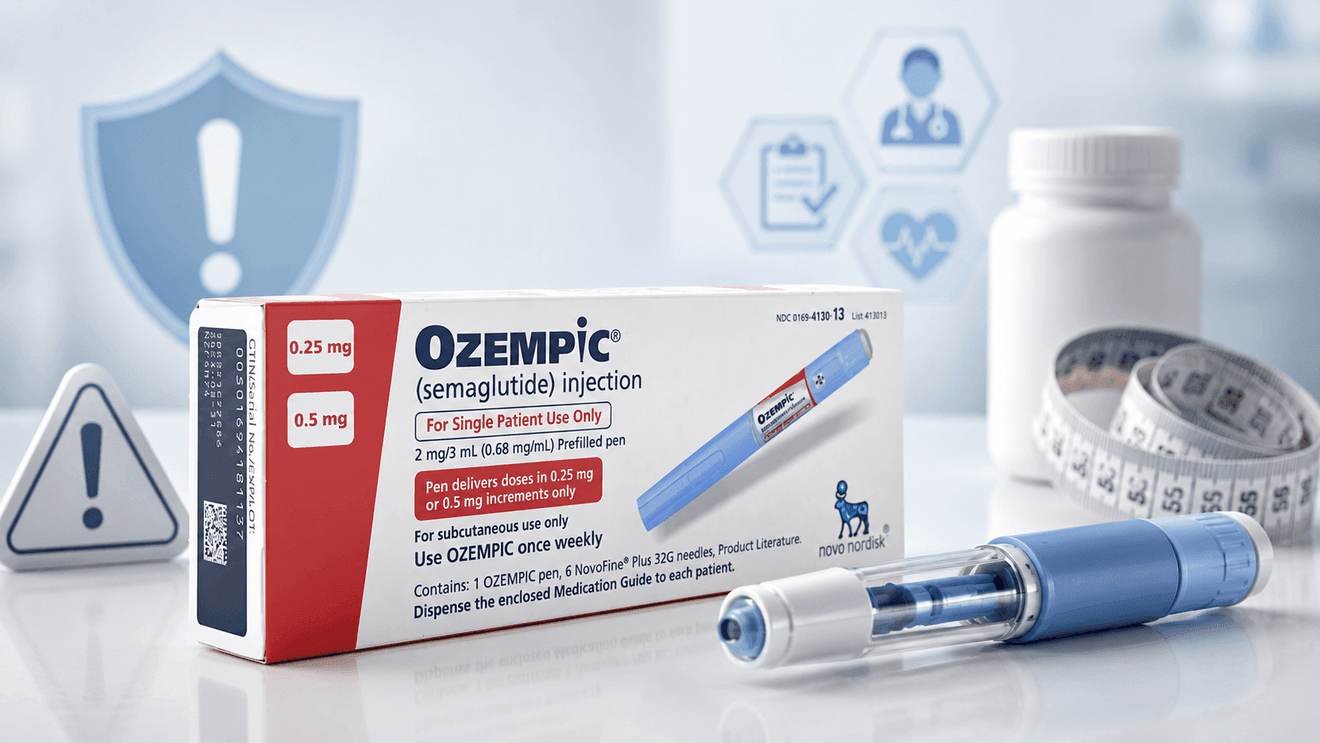
The FDA is also warning about counterfeit versions of drugs such as Ozempic being sold in the United States. These products may contain incorrect, insufficient, or even harmful ingredients and are considered illegal.
In addition, regulators are monitoring online marketplaces advertising semaglutide, tirzepatide, and similar drugs labeled “for research purposes” or “not for human consumption,” but which are being sold directly to consumers with instructions for use. The agency says these products may be unsafe and of unknown quality.
Regulatory actions and ongoing monitoring
To protect the drug supply chain, the FDA has implemented import controls targeting certain high-risk active pharmaceutical ingredients used in GLP-1 medications. The agency says these measures are intended to block potentially substandard ingredients while allowing compliant manufacturers to continue legal distribution.
Officials emphasize that many of the adverse events reported are consistent with those seen in FDA-approved versions of these drugs, but compounded products lack consistent oversight and may carry additional risks.
Encouraging safe use and reporting
The FDA is urging patients to talk with their health care providers about any weight-loss medication and to report suspected side effects or quality concerns through its MedWatch program.
Consumers experiencing issues are encouraged to contact either the prescribing provider, the compounder, or the telehealth platform that supplied the medication.
As demand for GLP-1 medications continues to surge nationwide, the FDA says it will continue monitoring the market closely and taking enforcement action against fraudulent or unsafe products.