
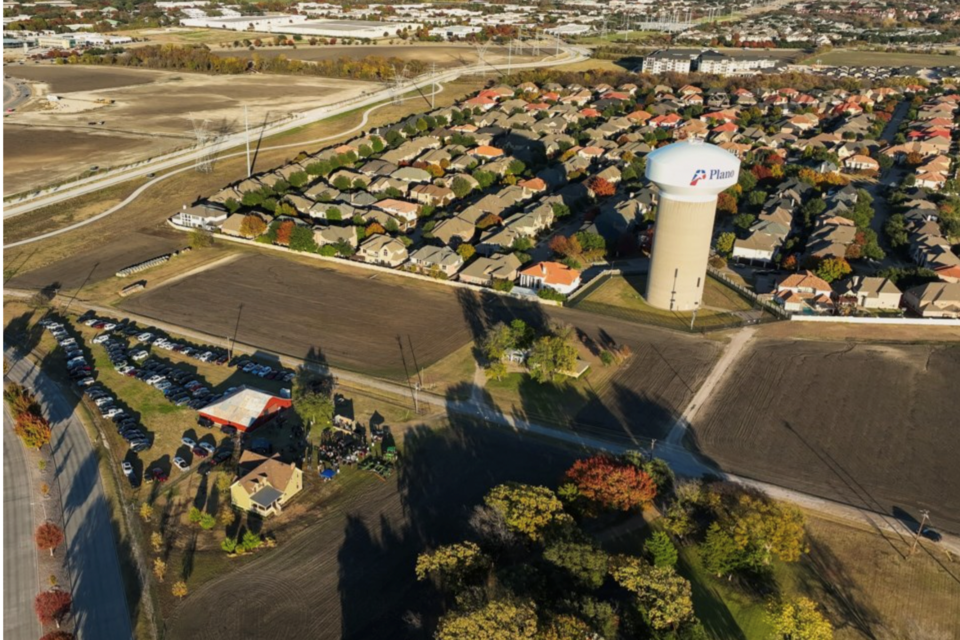
”Plano remains one of the most stable and economically resilient housing market in North Texas.” — Pamela J. Goodwin, Goodwin Commercial
While market statistics offer a rearview mirror of where North Texas real estate has been, real estate professionals operate on the front lines of where it is going. They hear about development plans long before the dirt begins to move. They see the “For Sale” signs go up before the headlines follow. And they know which neighborhoods possess that intangible quality that keeps buyers coming back.
To capture that insider perspective, Local Profile surveyed more than 60 North Texas real estate professionals and asked a simple question: If you were investing your own money today, which city would you choose?
The answers revealed a clear hierarchy of confidence across the region — a mix of established powerhouses, fast-growing suburbs and a handful of northern communities that agents believe may represent the next frontier of North Texas growth.
Notably, many of the cities drawing the strongest confidence sit within Collin County, which continues to dominate much of North Texas’ recent housing and population growth.
When it comes to long-term stability, one city rose above all others. Plano received the highest number of mentions in the survey, with 20% of real estate professionals naming it as their top choice for investment. For many agents, the city represents the safest long-term bet in the region.
“It’s one of the most stable, well-run and economically resilient cities in the region,” said Pamela J. Goodwin of Goodwin Commercial, pointing to Plano’s concentration of corporate headquarters, strong infrastructure and high-income demographics. “It’s a market with history, vision and staying power — and that’s exactly where I’d invest.”
Jennifer Daniel Milligan of Keller Williams Legacy echoed that sentiment, noting that Plano has consistently demonstrated its ability to hold value even during slower market cycles. While newer suburbs may attract headlines for rapid growth, Plano’s mature infrastructure and corporate presence continue to anchor long-term confidence among industry professionals.
Frisco, which received eight mentions in the survey, represents a slightly different type of stability — one fueled by blockbuster development and national attention. Over the past decade, Frisco has transformed into one of the most recognizable economic centers in North Texas. The city is home to the PGA of America headquarters, the Dallas Cowboys’ practice facility and an expanding slate of major entertainment and commercial developments.
For many agents, Frisco remains attractive because its growth story is far from finished. Major projects such as the upcoming Universal Studios theme park and continued corporate relocation are expected to sustain demand in the coming years.
Together, Plano and Frisco represent what many agents consider the region’s proven investment core — cities where strong fundamentals provide a high level of long-term confidence.
”Strong school districts consistently drive buyer demand, resale value and long-term appreciation.” — Ven Vraniqui, Coldwell Banker Apex
”A neighborhood with more homeowners than rental properties is far more likely to maintain long-term value.” — Melissa Eason, Fathom Realty
Beyond the established markets, survey responses highlighted two cities that continue to attract strong investor interest: Celina and McKinney. Both cities received frequent mentions from agents who believe the region’s next wave of population growth is already taking shape along the northern edge of Collin County.
Celina received eight mentions in the survey, tying Frisco as the second-most frequently selected investment destination. Once a small rural town, Celina has quickly become one of the fastest-growing cities in the country.
Bernh Veleen Luna of Coldwell Banker Apex said the city’s growth is already a reality. “Growth isn’t speculative — it’s actively happening,” Bernh said, pointing to the massive pipeline of master-planned communities and ongoing infrastructure expansion reshaping the area.
Scott Greenberg of RE/MAX DFW Associates highlighted Celina’s strategic location along the Dallas North Tollway extension as a major driver of long-term appreciation.
With thousands of new homes under construction and major retail and infrastructure projects underway, many agents see Celina as the region’s next luxury growth market.
McKinney, which received seven mentions in the survey, offers a different type of appeal: a blend of historic charm and large-scale development. Known for its picturesque downtown square and strong community identity, McKinney has long been one of Collin County’s most desirable residential markets. But agents say the city’s growth story is evolving.
Mike Danielson of Keller Williams points to a wave of new entertainment and tourism projects that could dramatically expand the city’s economic footprint in the coming years. Major developments, such as the planned Cannon Beach Surf and Adventure Park and the Sunset Amphitheater, are expected to draw visitors from across the region, potentially transforming McKinney into a major entertainment destination.
For many real estate professionals, the combination of established residential appeal and new economic drivers makes McKinney a particularly compelling investment opportunity.
The Northern Bet
While the strongest responses clustered in Collin County, several agents are looking even farther north. Sherman received five mentions in the survey, while Van Alstyne received four, notable support for communities that sit well beyond the traditional suburban ring of Dallas.
The interest is largely driven by one major factor: technology manufacturing. Sherman is currently experiencing a surge of industrial investment tied to semiconductor manufacturing. Texas Instruments is building multiple fabrication plants in the area, representing billions of dollars in investment and thousands of future jobs. For many agents, that type of economic engine creates a powerful ripple effect in surrounding housing markets.
Roxanne DeBerry of Keller Williams Legacy pointed to the technology sector’s presence in Sherman as a major factor shaping the region’s long-term outlook. Meanwhile, neighboring Van Alstyne is attracting attention for its small-town character and potential for future expansion. Melissa Eason of Fathom Realty also highlighted the town’s revitalization potential, particularly within its historic downtown district.
Cheryl Jones of Ebby Halliday compares the town’s current atmosphere to McKinney before its explosive growth. “It reminds me of how McKinney used to feel,” Cheryl said. “It has a great downtown area, strong schools and still has a lot of room for growth.”
For investors willing to look further ahead, these northern communities — along with nearby towns such as Anna, Gunter and Pilot Point — represent what some agents see as the next stage of North Texas expansion.
While survey responses varied in location, the factors that drive long-term property value were remarkably consistent.
School districts ranked among the most frequently cited drivers of buyer demand. Ven Vraniqi of Coldwell Banker Apex said schools remain one of the most reliable predictors of long-term appreciation. “Strong schools consistently drive buyer demand, resale value and long-term appreciation.”
”When hoas become overly punitive instead of collaborative, homeowners often sell — and that can affect neighborhood values.” — Chris Ohlig, Compass
At the same time, many agents pointed to the balance between owner-occupied homes and rental properties as an often-overlooked factor. Melissa said neighborhoods dominated by investor-owned rental homes can struggle to maintain long-term value.
“The more homeowner residents versus investor-owned rental homes you have can make or break the long-term value of a neighborhood,” Melissa said.
Community governance also plays an important role. Homeowner associations, while sometimes controversial, can help maintain property standards over time. “If you don’t enforce the CCRs, your neighborhood ends up with deferred maintenance,” said Becky Rensing with Classic Homes Realty. “Over time, that drags down home values.”
However, Chris Ohlig of Compass cautioned that overly aggressive HOA enforcement can create challenges if homeowners feel alienated. “When HOAs become overly punitive instead of collaborative, owners may decide to sell,” he said. “If enough do that, it can impact property values.”
While no one can predict exactly how the housing market will evolve, the professionals working within it often recognize early signals before they appear in market reports. From the continued strength of cities like Plano and Frisco to the rapid expansion of communities such as Celina and Van Alstyne, North Texas remains a region defined by growth.
And according to the agents who spend their days navigating its neighborhoods and negotiating its deals, the next wave of opportunity may already be quietly taking shape.
For buyers and investors alike, the message from industry insiders is clear: pay attention to where the professionals are looking today — because those places often become tomorrow’s hottest markets.
”Celina’s rapid population growth and infrastructure expansion make it one of the most compelling investment markets in North Texas.” — Bernh Veleen Luna, Coldwell Banker Apex
This article originally appeared in Local Profile Magazine. Read more here.
Don’t miss anything Local. Sign up for our free newsletter.