
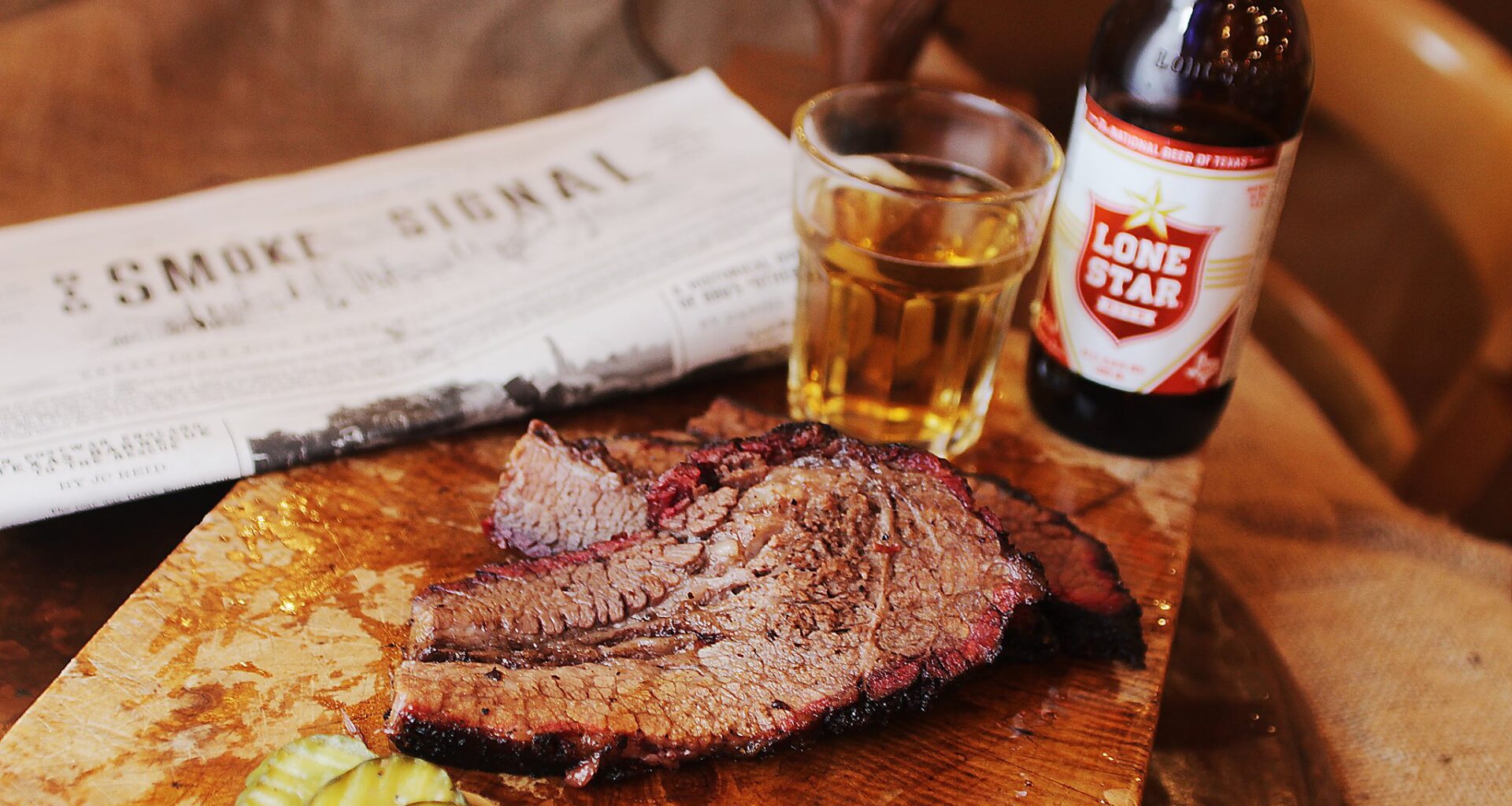
Brisket and beer at Texas Joe’s Slow Smoked Meats in London.
Courtesy of Texas Joe’s
Dallas native Joe Walters opened Texas Joe’s Slow Smoked Meats in London.
Courtesy of Texas Joe’s
As the FIFA Club World Cup kicks off in venues across North America, international visitors have descended on American cities to celebrate the beautiful game and sample local attractions.
In Houston and Dallas, where several high-profile matches are scheduled, soccer fans are making the rounds at restaurants and tourist sites. Social media posts show a particular enthusiasm for Texas barbecue.
“We met with the Houston Police Department and ate typical Texas BBQ together,” German soccer fan and newly minted Internet celebrity FreddyLA7 posted on X.
Article continues below this ad
Of course, Europeans’ love of Texas barbecue is nothing new. Beginning about a decade ago, my own trips to cities such as London and Paris often included detours to Texas-style barbecue restaurants that had, remarkably, become darlings of Europe’s often-stuffy culinary scene.
At the time, I attributed much of that fascination to one thing: beef.
For Americans, one cardinal rule of visiting Europe has long been to avoid ordering a steak. Beef production there differs significantly from the United States. European cattle are primarily grass-fed, while American cattle are typically finished on grain. European regulations also prohibit the routine use of hormones and antibiotics commonly used in the U.S. beef industry.
In the early days of Europe’s barbecue boom, pitmasters such as Joe Walters of Texas Joe’s Slow Smoked Meats in London were able to import limited quantities of American beef, particularly USDA Prime.
Article continues below this ad
A Dallas native, Walters opened Texas Joe’s in 2016. The restaurant is still thriving, although its beef supply has changed dramatically over the past decade.
For the most part, American beef is no longer available.
“We have been using New Zealand grain-fed beef,” Walters said. “We still can’t get USDA beef. There’s little to none, and when there is, the price is crazy.”
The distinction comes down to grain-fed versus grass-fed beef. Finishing cattle on grain in the weeks before harvest produces the marbling, richness and flavor associated with American beef.
However, cattle digest grass more efficiently than grain, which is one reason American producers often use supplements and feed additives to help animals grow and process grain-based diets.
Article continues below this ad
That is where European and U.K. regulators draw the line. Hormone-treated beef remains largely prohibited, and regulations governing antibiotics are far stricter than those in the United States.
As a result, European beef often has a different texture and flavor profile than American beef, something many U.S. travelers discover when ordering steak abroad.
According to Walters, he has not had access to a reliable supply of American beef since 2024. The reasons are numerous and complex, including rising global beef prices and trade barriers that make importing U.S. beef difficult.
Yet after the first wave of Texas barbecue restaurants swept across Europe a decade ago, diners there developed a taste for grain-fed beef and still crave it.
Article continues below this ad
That may help explain why so many European visitors attending World Cup matches in Texas are eager to seek out barbecue joints and steakhouses. For many, it’s a rare opportunity to enjoy the real thing: American grain-fed beef at its source.