
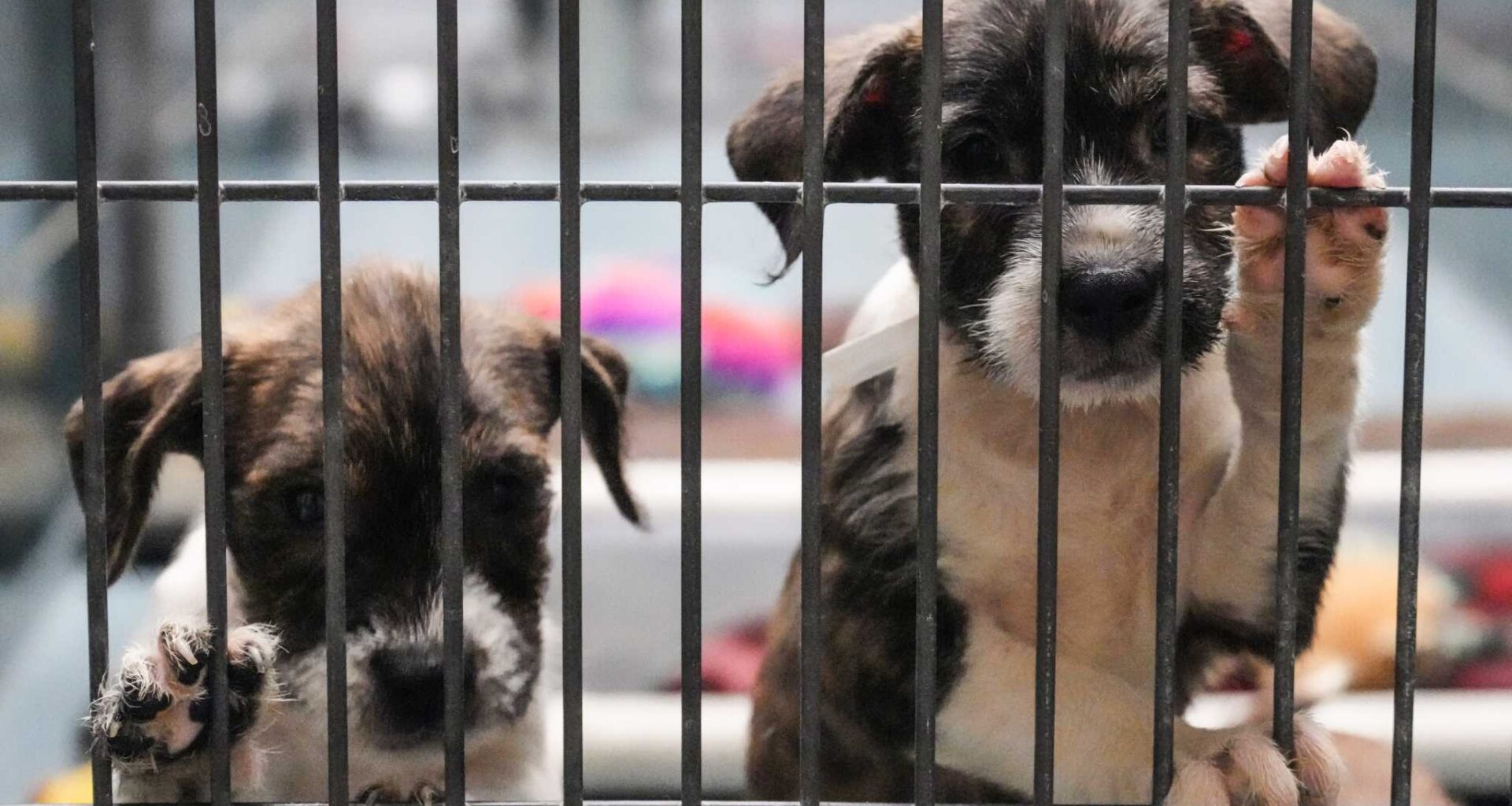
Regarding “Houston budget needs more BARC funding to protect humans and dogs | Editorial,” (June 3): Thank you for speaking out for Houston’s forgotten and neglected loose and stray pets. I moved to Houston a year ago, but soon after a neighbor was evicted, I had to assume responsibility for the care of six cats she had abandoned. My efforts to feed and care for them — and get them spayed and neutered — cost me between $150 and $250 each month.
In many of Houston’s poorest neighborhoods, residents have quietly become the city’s unofficial animal welfare workers. They feed abandoned cats from their own grocery budgets. They organize makeshift cat colonies to prevent suffering and uncontrolled breeding. They rescue stray dogs wandering through streets and school zones. They search for foster homes, drive injured animals to clinics and spend money they do not have because they cannot ignore suffering in front of them.
Recently, I overheard one of my neighbors in Sunnyside tell a stray cat, “Sorry, but I don’t have food. I don’t get paid until Friday.”
That’s heartbreaking, but this terrible inequity rarely makes headlines. The underfunding of BARC Animal Shelter and Adoptions is not simply an animal welfare issue. It is a poverty issue, a public health issue and a quality-of-life issue that disproportionately impacts working-class communities and communities of color.
When city systems are overwhelmed or underresourced, responsibility does not disappear. It shifts downward — onto residents with the fewest resources and the least institutional support.
The city is effectively asking residents with the least amount of wealth to provide the greatest amount of aid.
Linda S. Wallace, Sunnyside, Houston
To tackle this problem, I proposed a solution to Council Member Tarsha Jackson and her staff: installing cameras at frequently used dumping sites. Additionally, we can track the locations of these dumpsters by observing the weekly passage of garbage trucks through these neighborhoods. The drivers should be required to note down the specific locations where dumping occurs daily or weekly. This information can then guide the placement of cameras. These cameras can capture license plate numbers and vehicle names, providing valuable evidence for law enforcement.
This approach would effectively deter illegal dumping. I’m tired of hearing excuses from City Council members about their inability to control these neighborhoods. It’s unfair to expect residents to shoulder the responsibility of maintaining cleanliness in these areas. Calling 311 is futile because there’s no follow-up on these calls in these specific neighborhoods. In contrast, affluent communities tend to use license plate readers to monitor traffic and enforce regulations.
Maybe when I was growing up, we had a different version of trust that we relied on. It entailed good people doing good work for others — no duplicity, no underhanded dealing, no ulterior motives, no conditional relationships, no broken promises, no profiteering, no breach of commitment and no dishonesty.
How does one put trust in Ken Paxton? Paxton supporters — you may not have reached the bottom yet, but you are in the general vicinity.
Regarding “Islamophobia has no place in society. How can we eliminate it? | Opinion,” (June 5): Beginning in January 2026, Gov. Greg Abbott and others began whipping up Islamophobia. He irresponsibly declared the Council on American and Islamic Affairs a terrorist organization, in spite of the U.S. government not calling it one. He also pressured Cypress-Fairbanks ISD to cancel hosting the Islamic Games. If you don’t want Islamophobia, begin by condemning Abbott. It would also be nice to know why he is doing this stunt since he gave up on busing immigrants.