
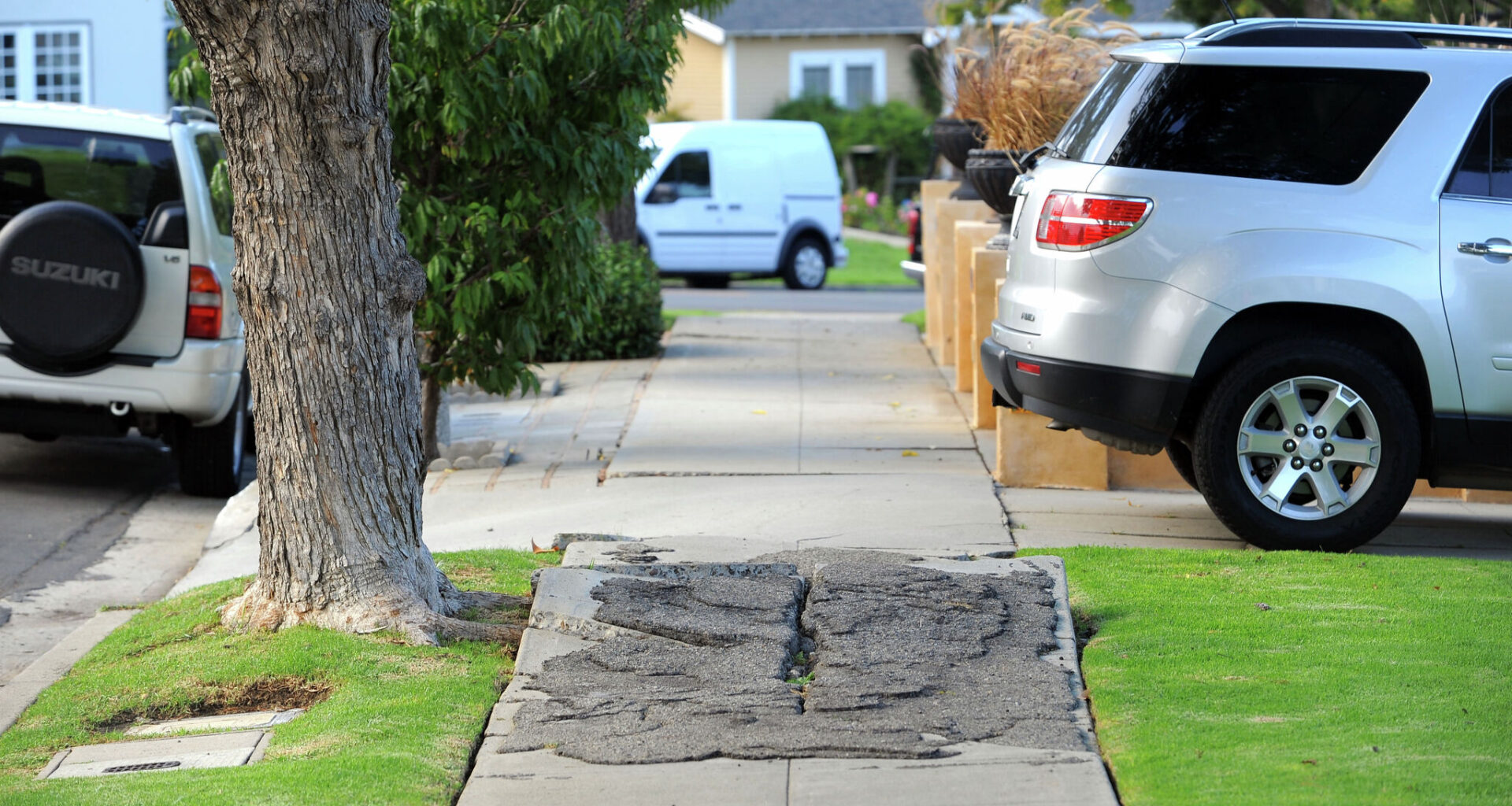
Parking in your driveway may seem harmless, but if your vehicle blocks a sidewalk, you could be violating Texas law and face a fine.
Many homeowners assume the portion of sidewalk that crosses their driveway is private property. In Texas, however, sidewalks remain part of the public right-of-way and must stay accessible to pedestrians, including people using wheelchairs, mobility devices, strollers and bicycles.
Here’s what Texas drivers should know.
Under Texas law, sidewalks must remain clear for public use, even when they cross a private driveway. While the land may be included in a homeowner’s property deed, the public generally has the right to use the sidewalk without obstruction.
Drivers who block a sidewalk can receive a parking citation. Fine amounts vary by city but often range from about $30 to more than $100. Some municipalities impose higher penalties in designated areas or for repeat offenses.
Even if you’re parked in your own driveway, your vehicle cannot extend across the sidewalk and prevent pedestrian access.
Texas Transportation Code Section 545.302 prohibits drivers from stopping, standing or parking a vehicle:
Texas law includes limited exceptions, including circumstances in which cities may adopt ordinances regulating parking in certain downtown areas when necessary for economic development and public safety.
Public streets are typically open to anyone unless local ordinances say otherwise. However, drivers must still follow state and local parking regulations.
Under Texas Transportation Code Section 545.302, drivers may not park:
While parking in front of a neighbor’s house is usually legal, blocking a driveway or sidewalk can result in a citation.