
Dallas biotech startup Colossal just got a little more sci-fi.
The company behind efforts to de-extinct the woolly mammoth and other long gone species announced Tuesday its acquisition of Viagen, an animal cloning company based outside Austin. It’s Colossal’s first acquisition.
Viagen uses somatic cell nuclear transfer to offer commercial cloning of pets and horses, in addition to conservation-focused cloning of endangered species like the black-footed ferret and Przewalski’s horse.
Related
The company is the exclusive rights holder of the SCNT patent portfolio of the Roslin Institute, the Scottish team behind Dolly the Sheep. According to Colossal, Viagen achieves cloning success rates around 80%, far exceeding published averages of 2%.
Business Briefing
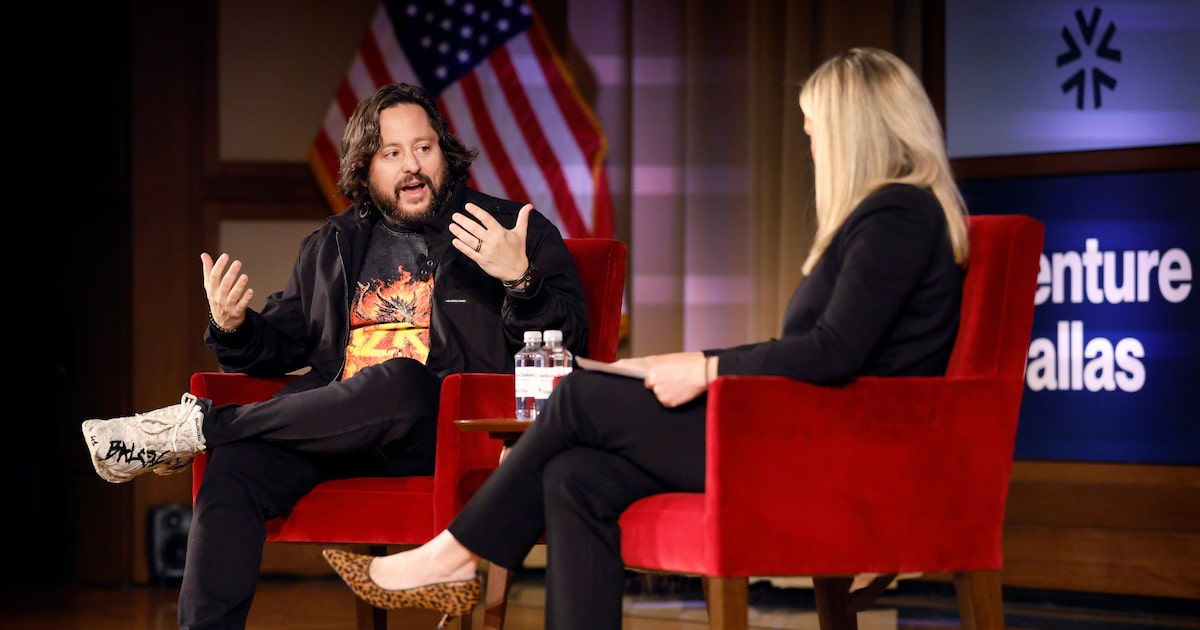
“When you look at the folks that have tried to do what they have done, no one’s come close,” Colossal co-founder and CEO Ben Lamm told The Dallas Morning News. “Most people know them for like dogs, cats and horses, but, you know, they’ve actually been the only company in the world outside of us to clone endangered species.”
According to Trends, a magazine published by the American Animal Hospital Association, Viagen charges $50,000 to clone dogs and cats and $85,000 to clone horses, with a waitlist of five to seven months. Since its founding in 2002, Viagen has cloned several thousand animals, according to the article, but a majority of its customers pay to simply preserve their pet’s genetics.
Like its acquirer, Viagen has been the subject of tense ethics debates, with the health of cloned animals one subject of discussion. Leading animal welfare organization, the ASPCA has a standing call for “a moratorium on the research, promotion and sale of cloned and bioengineered pets.”
Others oppose Viagen’s enterprise on the grounds that those considering cloning should adopt pets in need of homes, or that cloning a dying or deceased pet impairs the natural but healthy grief process.
Still, Colossal, which deals with its fair share of ethics claims, is optimistic that Viagen will assist its species conservation and environmental goals.
Lamm has explained Colossal’s approach to de-extinction as solving a systems problem, not a science problem. Essentially, they take more-or-less existing science and link it together into a replicable process for bringing a species from extinction to life.

An adolescent dire wolf, part of Colossal Biosciences’ dire wolf de-extinction project.
Courtesy of Colossal
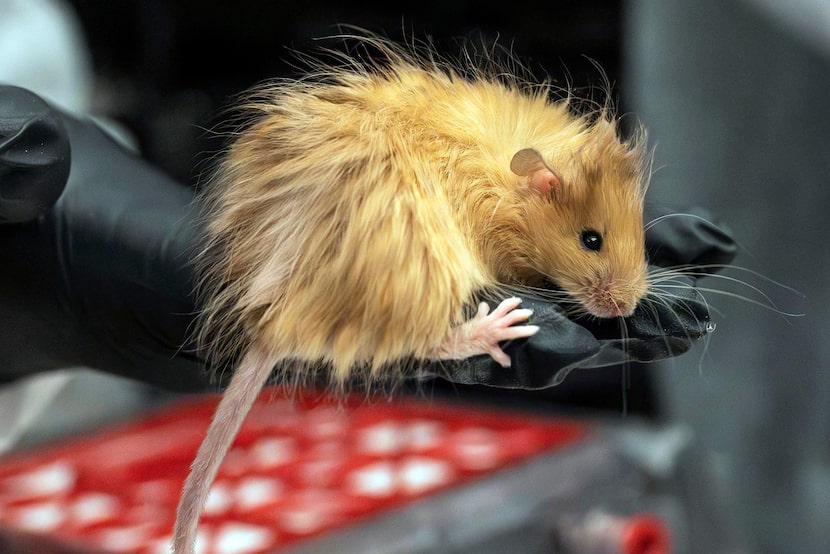
In this Feb 2025 photo provided by Colossal Biosciences a genetically edited mouse with long, thick, woolly hair at a lab in Dallas, Texas. (Colossal Biosciences via AP)
AP
Viagen’s cloning success could help Colossal do the same for the preservation of living but endangered species.
“We’re excited about how we can productionize endangered species,” he said. “It’s part of our core long-term mission with species preservation. And we think that their technology stack integrated with our stack is pretty, pretty cool.”
Related
In addition to cloning, Viagen has developed technology related to genetic preservation, which has applications in biobanking. The Colossal Foundation is building the Colossal BioVault, a Noah’s Ark of genetic material meant to help document and preserve global biodiversity.
Viagen will continue operating as a wholly owned subsidiary of Colossal, with President Blake Russell leading the mostly independent team. That includes continuing to offer pet cloning.
The company is profitable, Lamm said, but that wasn’t a major consideration for his $10 billion startup, which isn’t “focusing on monetization yet.” However, Lamm suspects integrating Viagen and Colossal’s technology might find synergies that could be spun off into their own companies, as Colossal has already done with two biotech companies, Breaking and Form Bio.
For now, though, the focus is on access to the science.
“The idea that you could get this team of experts that has been doing the most amount of cloning in the world, have some of the most interesting proprietary technologies in the world, that have had the highest success rates in the world…”
Combine that with Colossal’s resources and technology, Lamm said, “It was an easy no-brainer.”
 Hot pants for good health: Fort Worth scientists try heat therapy to lower blood pressure
Older adults wore heated pants in a study that hints at an easy new tool for protecting aging hearts.
 New Texas initiative could shape the future of dementia research, scientists say
Researchers hope the proposed institute will expedite scientific discoveries and AI innovation.