
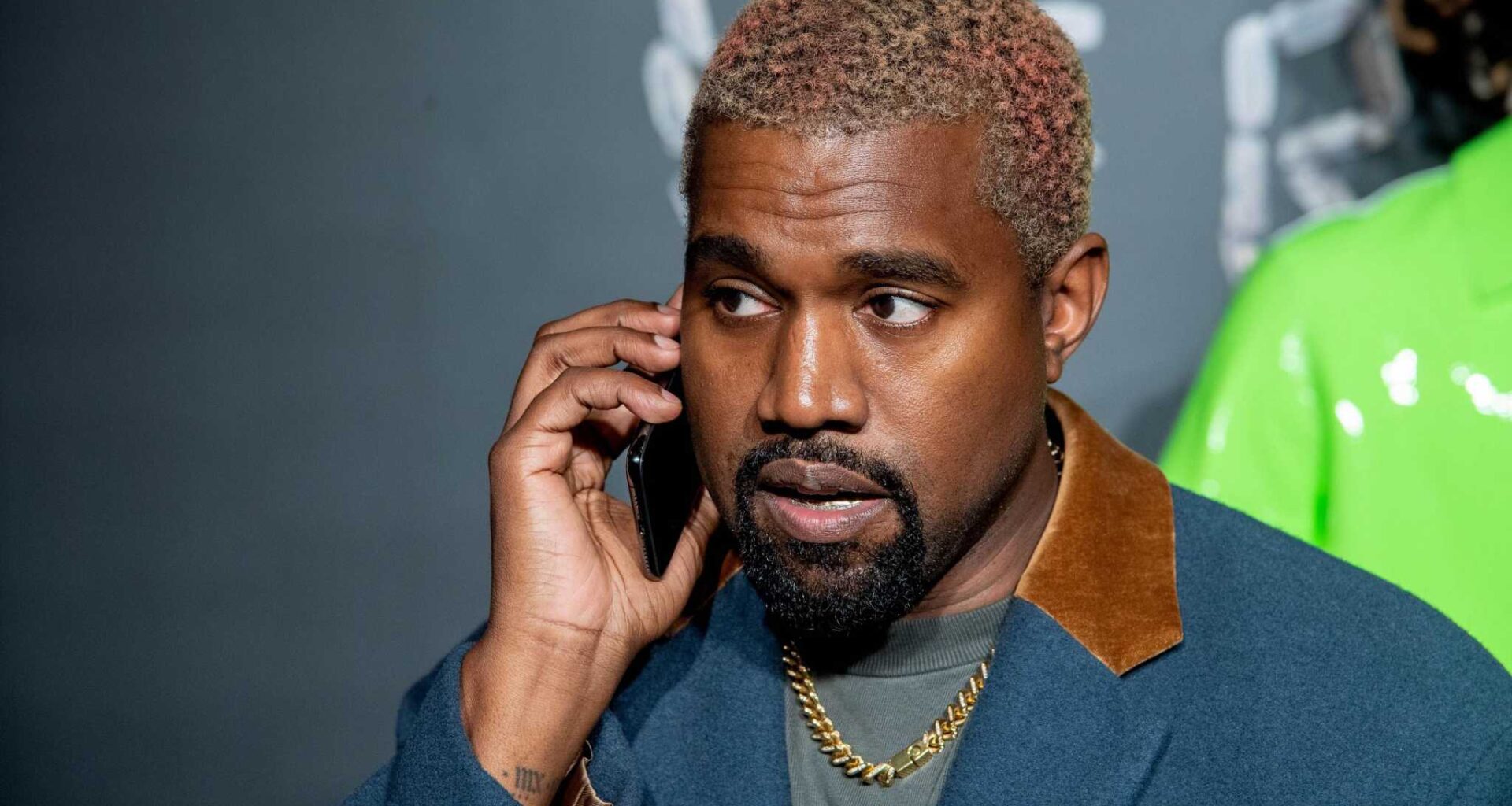
Kanye West, now known as Ye, has a long history of espousing antisemitism. We can reject hate speech while still respecting his First Amendment rights.
www.RoyRochlin.com/Getty Images, MBR / TNS
It will take much more than an apology in the Wall Street Journal for the rapper Ye to atone for his history of antisemitism.

That record is long and repulsive, and it looms over any hits Ye, formerly known as Kanye West, has produced or may produce in the future. His history of giving voice to hatred of Jews goes back years and includes releasing the song “Heil Hitler” and selling swastika T-shirts.
Article continues below this ad
Ye’s past rhetoric is deserving of condemnation and outright rejection. But hateful speech is protected under the First Amendment, which is why his July 4 show at the Alamodome must go on. We must condemn the substance of Ye’s past statements while honoring his constitutional right to free speech.
That’s what a majority of San Antonio City Council members demonstrated this week by rejecting Mayor Gina Ortiz Jones’ call to cancel the Ye concert.
“We can condemn hate without resorting to censorship, which could set a precedent toward limiting expression based on objectionable viewpoints,” Council Members Sukh Kaur, Jalen McKee-Rodriguez, Teri Castillo, Marina Alderete Gavito, Misty Spears and Marc Whyte wrote in a statement. “The City does not endorse his rhetoric by allowing use of a public venue, just as a public library does not endorse every book’s viewpoint simply by carrying it.”
We appreciate Jones’ commitment and courage to speak out against hatred and antisemitism, which has been on the rise in recent years. But the city can’t be in the business of policing speech.
Article continues below this ad
As for the council members and the city as a whole, Ye’s performance offers a test of values and an opportunity to step up against hate speech, honor freedom of speech and be aware of these issues.
We were stunned to learn that days before denouncing Ye, Spears, who represents the North Side, had asked for three free tickets to his July 4 concert. A spokeswoman said Spears “was unaware of Ye’s antisemitic comments and hateful rhetoric.” When Spears did learn, she immediately declined the tickets, the spokeswoman said.
Ye’s antisemitic record goes back years. As a public official, Spears had a civic responsibility to be aware of it.
When it comes to condemning hate speech while also protecting free speech, what applies to Ye applies to all. If we are committed to the free flow of ideas, personal expression and liberty, then such a commitment requires maintaining civic tolerance for those who espouse or have espoused intolerance.
Article continues below this ad
This is an endorsement of our First Amendment rights, not a particular person’s ugly use of that right. To cancel Ye for his past views not only limits his right to perform at a city facility, but it also opens the door to cancel others who may have made objectionable statements or produced objectionable works — in the eyes of some or many. This is a slippery slope.
It’s not hard to imagine going from canceling Ye to canceling other musical acts or comedians who have crossed some kind of invisible line.
This last point underscores the subjectivity inherent in putting boundaries on speech — and whether we really want government to go there. In approving Ye for July 4, the city relied on quantitative factors related to public demand, economic impact, ticket sales and hotel bookings. Essentially, revenue.
It is a narrow set of criteria that does not account for controversy or the expression of hateful views — and this has prompted a call for a policy review.
Article continues below this ad
Let’s have that discussion, but let’s also recognize that the existing criteria can be applied equally across potential performances in a way that does not infringe on speech. It’s not subjective. It doesn’t scrutinize lyrics, personal politics, arrests, religious views or controversial past statements.
There are many ways to address hate and objectionable speech without trampling on First Amendment rights or canceling a concert. We can use our own speech to condemn hate speech, and also to promote the values of inclusion, compassion and equality that are essential for a healthy society and democracy. We can hold counter events and protests in public spaces to model and elevate the values we believe in. We can engage in meaningful dialogue.
A healthy society withstands provocateurs like Ye without squelching free speech. He can have his concert here, and we will not attend.