
Dave Fehling/Houston Public Media
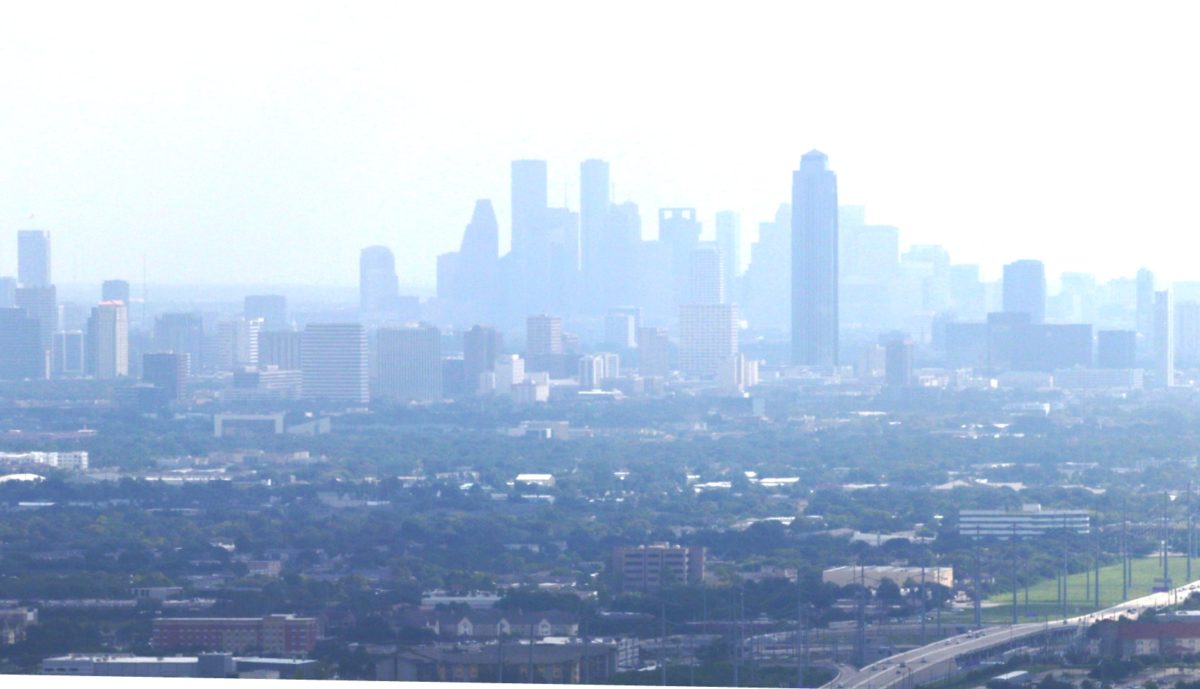
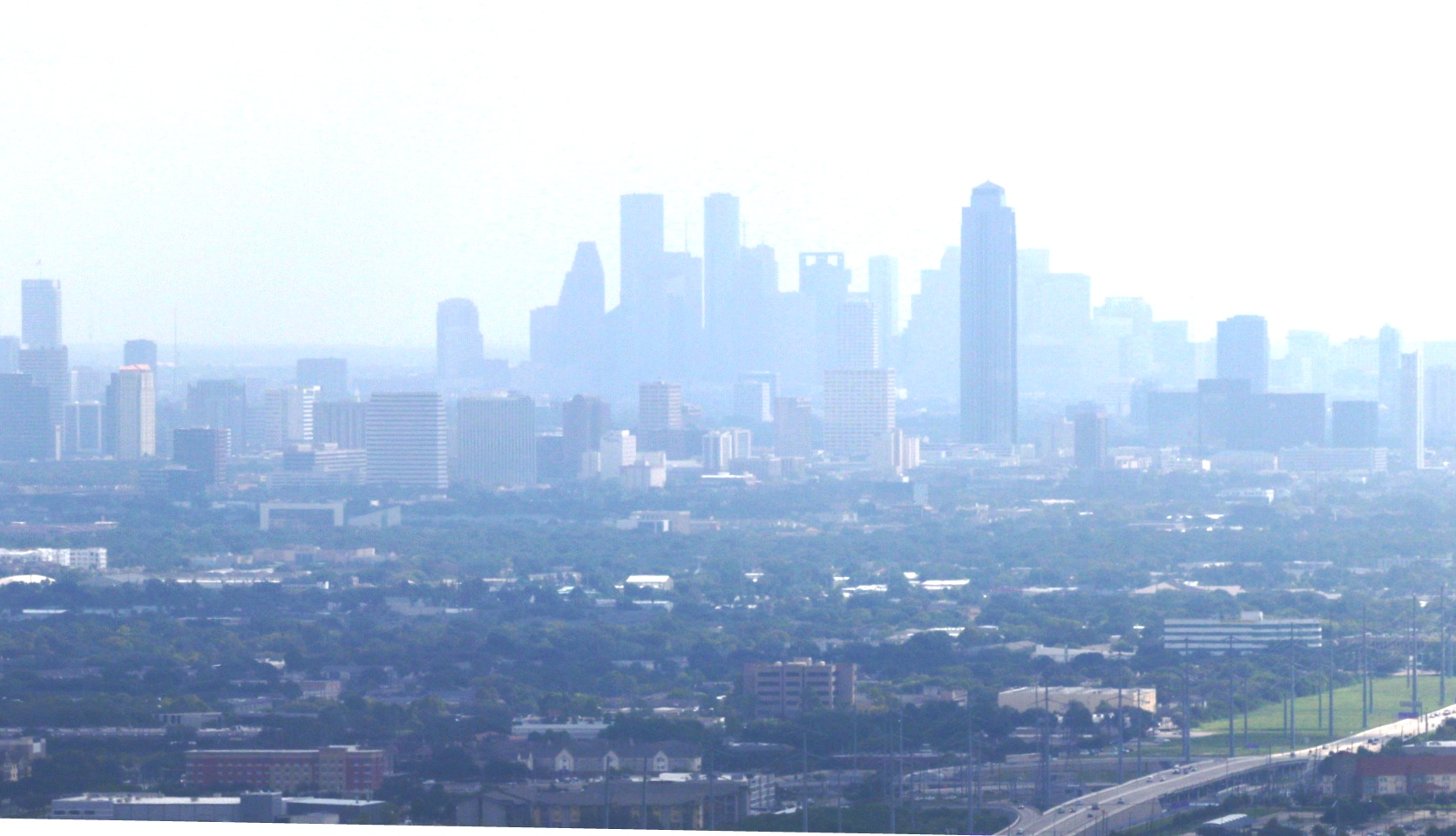
Pictured is a hazy Houston sky in 2016.
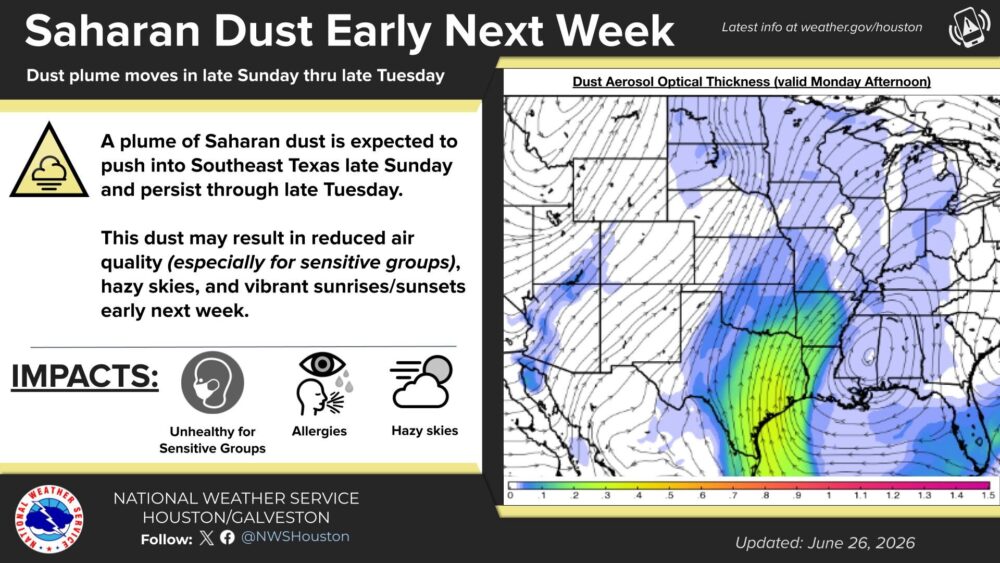
A plume of Saharan dust is on its way across the Atlantic Ocean from Africa and is expected to reach the Houston area by late Sunday or early Monday, according to the National Weather Service.
The weather service’s Houston and Galveston office is warning the dust may reduce air quality, causing allergies and potentially being unhealthy for those with underlying health conditions. Visually, the dust is expected to cause hazy skies and “vibrant sunrises and sunsets” early next week. Forecasts as of Friday projected the dust would reach Houston late Sunday into early Monday and last through Tuesday.
Melody Geiger, a meteorologist at the local weather service office, said the dust is part of a synoptic pattern — a large-scale system that can span across 1,000 kilometers or more.
Sign up for the Hello, Houston! daily newsletter to get local reports like this delivered directly to your inbox.
“That synoptic pattern, the waves in the upper atmosphere, is starting to influence our area,” Geiger said. “It’ll be on the scale of most of southeast Texas, getting into Louisiana, maybe Arkansas.”
Provide/ Houston-Galveston National Weather Service Office
An infographic about Saharan dust from the National Weather Service.
The biggest concern, beyond the visually hazy skies, is an increase in air pollution, Geiger said.
“For people with sensitive health issues, it might be unhealthy for them outside,” she said. ” If you have allergies, that could affect your allergies, so stock up on the Claritin. And then driving-wise, it’s really just going to look like kind of a haze. We actually are having a bit of a hazy sky right now, just because of all the wildfires we’ve been having. So it’ll be more of that.”
RELATED: Air Alliance Houston records spike in pollution following tire fire
Geiger said Saharan dust typically arrives annually during the summer, but only lasts a couple of days.
“Late June through August is when we typically will see impacts from Saharan dust,” she said. “It’s not going to be persistent through the whole season. … After passing over our area, it will continue to travel west. It will most likely start becoming less of a problem. So, less impact as it kind of fizzles out.”
The weather service will continue to provide updates on the plume’s trajectory as it approaches Houston.