
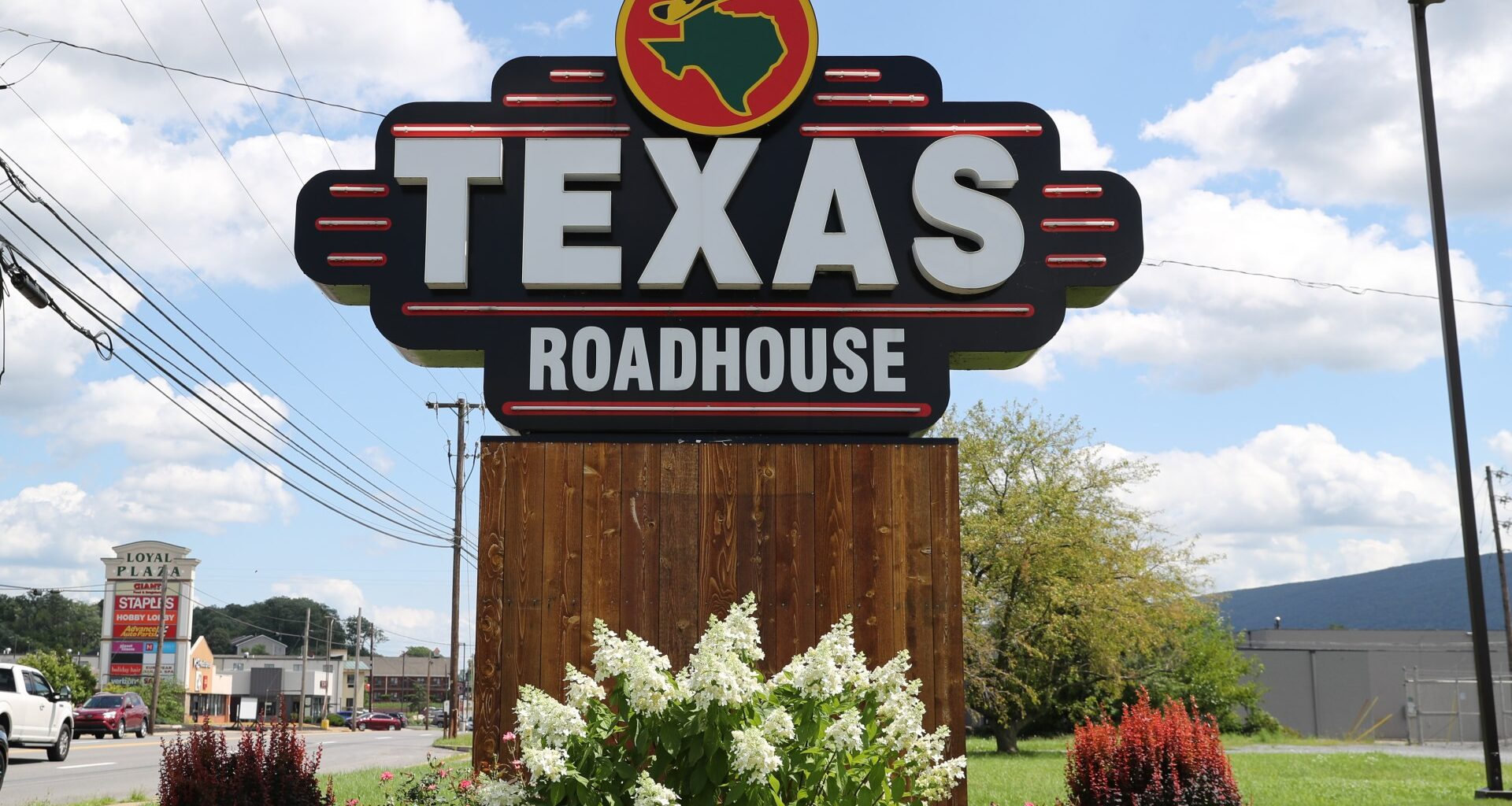
JUST days remain until popular restaurant chains like Texas Roadhouse, Olive Garden, and Chili’s are required to make a menu change.
It comes as part of new legislation, scheduled to take effect on July 1, that will force restaurants with more than 20 locations nationwide to alert customers of the ingredients in what they are about to order.
Sign up for the Money newsletter
Thank you!
The new law primarily targets common allergens like tree nuts and shellfish, aimed at encouraging restaurants to be more transparent about what they are putting in their dishes.
Known as Senate Bill 68 or the Allergen Disclosure for Dining Experiences Act (ADDE), the law will soon demand that establishments in California disclose food allergens on their menus.
Businesses can share allergen information on menus, provide it digitally, including by QR code, or use written materials like allergen charts or booklets.
Restaurant chains that opt to disclose allergen information digitally will also have to provide a written non-digital alternative for guests who do not have mobile technology or internet access.

SPELL IT OUT
Olive Garden among restaurants facing strict July 1 ‘disclosure’ menu change

POCKET PROTECTOR
Consumers to save up to $3,200 under July 1 law that forces clear pricing
The allergen disclosure requirement also extends to third-party delivery apps like DoorDash and Uber Eats.
The goal is to offer more transparency to Californians, as there is not nearly the same level of ingredient visibility in restaurants as there is when shopping at a retailer.
Under the July 1 rule, chain restaurants like Chilis, LongHorn Steakhouse, Olive Garden, and Texas Roadhouse will be forced to tweak their menus to clearly disclose the “Big 9” major food allergens recognized by the FDA.
These include milk, eggs, fish, shellfish, tree nuts, wheat, peanuts, soybeans, and sesame.
The bill was signed into law by Governor Gavin Newsom last October, making California the first state to mandate that major chain restaurants include allergen information on their menus.
Senator Caroline Menjivar, the bill’s author, praised it as being a first-in-the-nation legislation that would save lives.
“I know the 4 million Californians with food allergies, and their families, will enjoy the increased peace of mind as they dine together at these qualifying restaurants,” Menjivar said in a press release.
Nationwide, there are over 33 million Americans living with life-threatening food allergies, per Food Allergy Research & Education.
The Allergen Disclosure for Dining Experiences Act will take effect on July 1 alongside a slew of other new California laws, including some requiring businesses to bump up their minimum wage.
Outside of California, lawmakers in Michigan are similarly working to pass legislation requiring all restaurants statewide to list major food allergens on unpackaged menu items.
Story idea?
If you have an exclusive idea or story tip for The U.S. Sun, feel free to reach out to me at maya.lanzone@the-sun.com!