
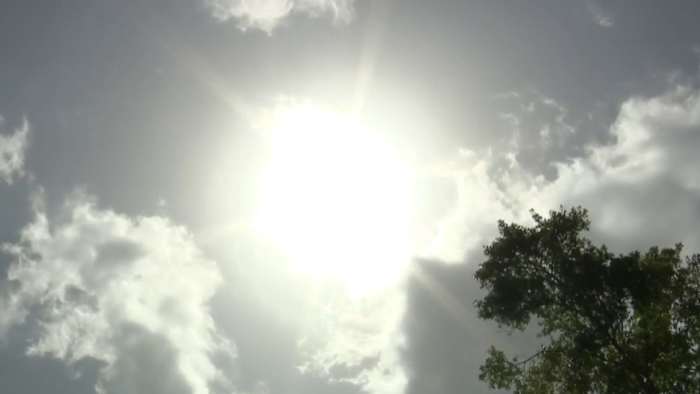
HOUSTON – The summer heat isn’t just uncomfortable. It can become dangerous fast.
Whether you’re planning a Fourth of July barbecue, taking the kids to the splash pad or training for a marathon, timing can make a huge difference during a Houston summer.
With temperatures regularly climbing into the mid-to-upper 90s and heat index values soaring above 105 degrees, doctors and meteorologists recommend scheduling outdoor activities during cooler parts of the day whenever possible.
Here’s when experts say it’s safest, and riskiest, to be outside.
Running or jogging
✅ Best times
5:30 a.m. to 8 a.m.
After 8 p.m. (if routes are well-lit)
Morning temperatures are usually 10 to 20 degrees cooler than the afternoon, and the sun is less intense.
❌ Avoid
This is when pavement temperatures can exceed 140 degrees, increasing both heat stress and burn risk.
Tips
Slow your pace.
Carry water.
Wear light-colored, moisture-wicking clothing.
Stop immediately if you become dizzy or nauseated.
Walking the dog
✅ Best
Before 8 a.m.
After sunset
❌ Avoid
Late morning through early evening
Sidewalks and asphalt become hot enough to burn paws within seconds.
Bike rides
✅ Best
Sunrise to 9 a.m.
Evening after 7:30 p.m.
Cycling creates airflow, but riders still lose large amounts of sweat without realizing it.
❌ Avoid
Heat radiating from roads can make conditions significantly hotter than the air temperature.
Kids at the playground
✅ Best
Before 10 a.m.
After 6:30 p.m.
❌ Avoid
Playground slides, swings and metal equipment can become dangerously hot.
Children also overheat faster because their bodies don’t regulate temperature as efficiently as adults.
Water parks and splash pads
✅ Best
Opening until about 11 a.m.
After 4 or 5 p.m.
Many people assume they’re safe because they’re in the water.
But water parks can actually increase dehydration because visitors often don’t realize how much they’re sweating.
❌ Highest risk
Swimming pools
✅ Best
Morning
Late afternoon
Evening
Pools help cool you down, but swimmers can still become dehydrated and sunburned.
Don’t skip drinking water just because you’re in the pool.
Barbecues and backyard parties
✅ Best
If hosting an afternoon gathering:
Provide shaded seating.
Keep coolers stocked with water.
Take breaks indoors.
Limit alcohol in extreme heat.
❌ Toughest hours
Standing over a grill can increase your body’s heat load even more.
Yard work
✅ Best
❌ Avoid
Lawn mowing is one of the leading summertime activities associated with heat illness because it combines heavy exertion with direct sunlight.
Outdoor sports
✅ Best
Before 9 a.m.
After sunset
Teams should schedule frequent water breaks and allow athletes to acclimate gradually to the heat.
General outdoor festivals or events
If you’re attending festivals, farmers markets or community events:
Go early if possible.
If you’re outside during the afternoon:
Find shade every 20-30 minutes.
Drink water before you’re thirsty.
Wear a wide-brim hat.
Apply sunscreen every two hours.
The hours everyone should pay attention to time heat risk:
5:30-9 a.m. – Best time for nearly every outdoor activity
9-11 a.m. – Generally safe but warming quickly
11 a.m. – 4 p.m. Highest heat risk, avoid strenuous activity
4-6 p.m. – Still very hot despite lowering sun angle
After 7 p.m. – Better, though humidity remains high
Know the warning signs
Heat exhaustion symptoms include:
Heavy sweating
Weakness
Dizziness
Headache
Muscle cramps
Nausea
Cool, clammy skin
Heat stroke is a medical emergency. Symptoms include:
Confusion
Loss of consciousness
Hot, dry skin (or profuse sweating in some cases)
Body temperature of 104 degrees or higher
Call 911 immediately if someone shows signs of heat stroke.
Copyright 2026 by KPRC Click2Houston – All rights reserved.