
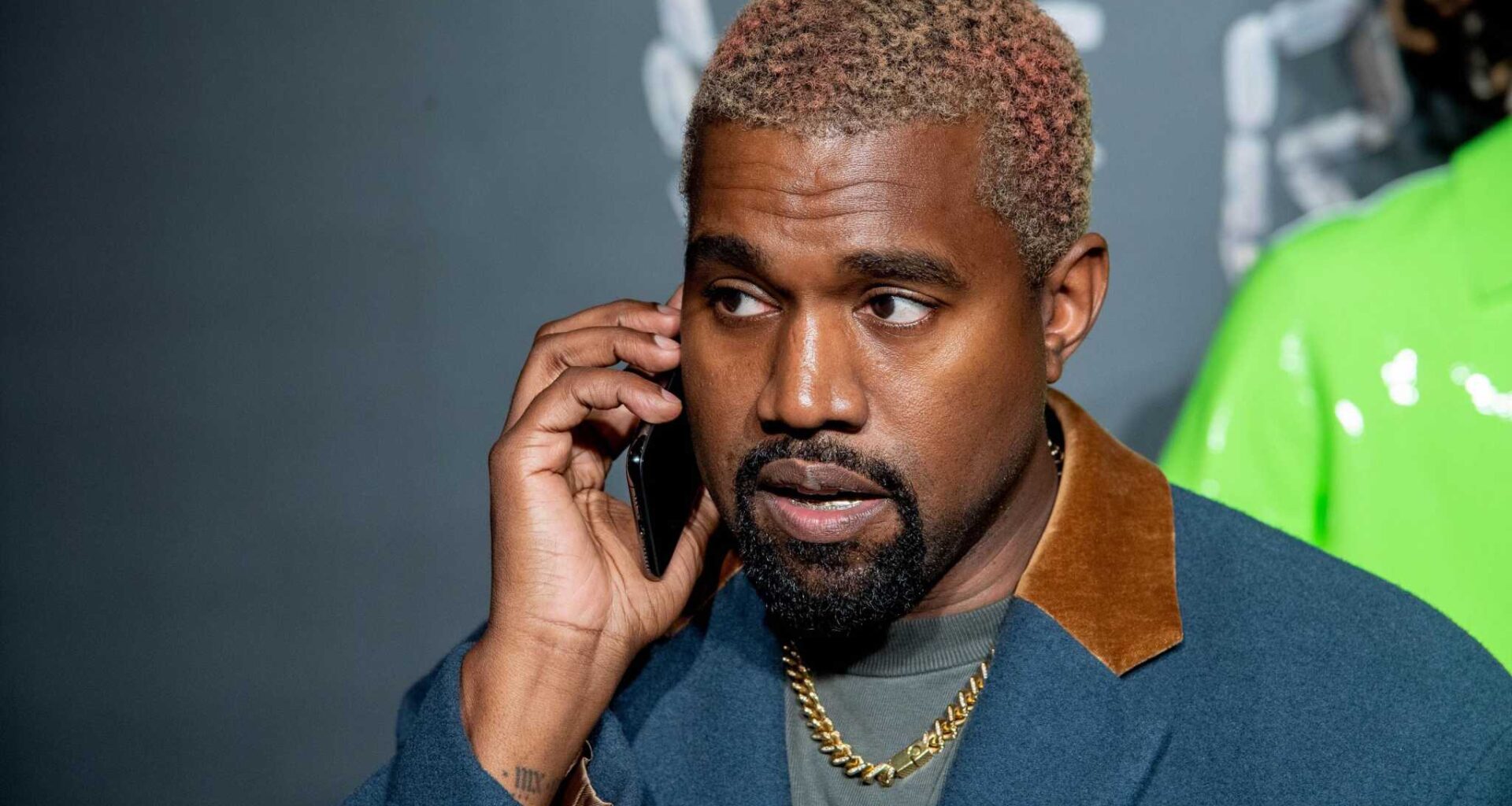
Kanye West, now known as Ye, has given voice to the rising tide of antisemitism. Antisemitism is evil, and we can do better than exclusion and tolerance. We cannot let resentment become the scaffold of our moral imagination.
www.RoyRochlin.com/Getty Images, MBR / TNS
Mayor Gina Ortiz Jones calls for the cancellation of a concert by Ye, formerly known as Kanye West, at the Holocaust Memorial Museum on June 23. Instead of exclusion, the matter calls for reconciliation and forgiveness.
Blaine Young/Contributor
To Ye or not to Ye? That was San Antonio’s question in regard to his July Fourth concert at the Alamodome.

The deeper question is: What do we do when another person’s indecency tempts us to decide who deserves a place among us?
Article continues below this ad
More than a decade ago, I was working for a theater, setting up the musical “Evita.” Standing near a 100-pound crate across from another man, my hands went down to pick it up; so did his. He was covered in neo-Nazi tattoos.
We made eye contact. He asked, “You ready?” I nodded. We hoisted that crate, and for the rest of the night, we team-lifted many crates.
I worked with several men with neo-Nazi tattoos during my theater gig. For many years, I resented that neo-Nazis could have the same opportunities I did.
Behind the two-story set of “Evita,” out of view from the audience, someone had written in metallic marker: “That which is to give light must endure burning.”
Article continues below this ad
I looked up the quote, discovered Viktor Frankl and ordered his book “Man’s Search for Meaning.” I read it twice in two days.
Frankl was a Jewish psychologist who survived multiple Nazi concentration camps. The cruelty he experienced can generate a secondhand bitterness, but Frankl testified to a profound awareness of kindness, love and humanity. That reconciliation, rather than resentment, had a liberating quality.
The survivor who said, “I do not forget any good deed done to me, and I do not carry a grudge for a bad one” knew that decency and indecency cut across the categories we use to condemn whole groups and individuals.
That posture of reconciliation is a gut punch to our reasoning when resentment hungers not only for our condemnation but also for responses that lead us toward unforgiveness and the perpetual feeling that we are owed something.
Article continues below this ad
This is where I break with both Mayor Gina Ortiz Jones and the Express-News Editorial Board.
Jones would answer Ye’s indecency with exclusion. The Express-News Editorial Board would answer it with civic tolerance, which is better than censorship but still not reconciliation.
Both leave us asking whether an offensive person should be permitted among us.
RELATED: Supporting free speech bigger than allowing Ye to perform at Alamodome
Article continues below this ad
The curtain has long closed on my theater work, but the lessons from that brief era of stagecraft persist.
A month ago, a young man with neo-Nazi tattoos came for dinner to the homeless ministry where I serve. His presence drew immediate objection and distrust from others who had also come for a meal. Their alarm was understandable, but it revealed how selectively we apply disgust. Faded gang tattoos have long blended in at the ministry. His inked wounds had not.
I approached him, introduced myself, shook his hand and told him, in front of everyone, that I was glad he was there — just like I do for everyone else.
I recognized that he and I have vastly different ideas about each other, but underneath it all, we share a common search for life in a complicated, painful world.
Article continues below this ad
I think back to those men I worked with at the theater, and I see them differently — as people whose tattoos were actually scars. What we had in common was that neither of us could see each other or the world clearly. Their tattoos distorted the world; my disdain distorted them.
Ye does not always see clearly either.
Dorothy Day wrote that the choice is not just between good and evil but between good and better.
Antisemitism is evil, and we can do better than exclusion and tolerance. We cannot let resentment become the scaffold of our moral imagination.
Article continues below this ad
Rights ensure equal treatment; reconciliation ensures resentment will not conscript our souls.
Dominic Yanas is a nonprofit professional and seminarian.
Have a response? Send us a letter to the editor.