
Politicians on both sides of the aisle in Austin and D.C. also reacted to the 6-3 decision and talked next steps.
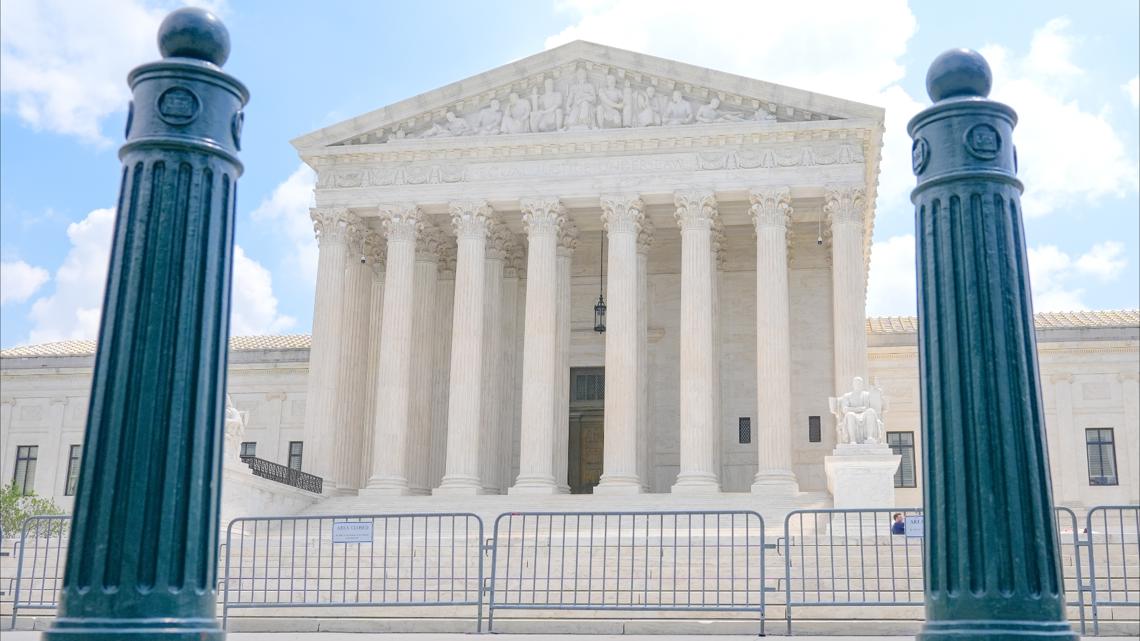
AUSTIN, Texas — The U.S. Supreme Court ruled Tuesday that birthright citizenship remains protected under the Constitution, rejecting President Donald Trump’s effort to end the long-standing right through executive action.
The decision preserves the guarantee that nearly everyone born on U.S. soil is automatically a citizen under the 14th Amendment.

This story continues below.
More in Local
Lawmakers respond after Rio Grande Valley nun released from ICE custody
Downtown Austin church calling for changes to US immigration enforcement
For Austin immigration attorney Kate Lincoln-Goldfinch, the ruling ended months of uncertainty for many of her clients.
“It was a huge relief,” Lincoln-Goldfinch told KVUE shortly after the decision.
Trump signed an executive order on the first day of his second term seeking to end birthright citizenship, touching off a legal battle that eventually reached the nation’s highest court.
Lincoln-Goldfinch said many of her clients feared the order could affect people whose citizenship had already been established, while others worried about children born after the executive order was signed.
“They wondered, ‘Would they take away their birth certificate? Would they take away their passport?’ And then the bureaucratic, logistical questions of what would happen next,” she said.
She said the Supreme Court correctly concluded that a president cannot change the Constitution through executive order.
“This is a question about whether the president can change the Constitution through executive order,” Lincoln-Goldfinch said. “Thankfully, they decided correctly. Our Constitution remains intact and our democracy remains intact.”
She added that, absent action by Congress to amend the Constitution, she believes the issue is settled.
“In my opinion, this is the end of the line. Birthright citizenship remains. This is a fundamental right guaranteed in this country for centuries, and it is safe and secure.”
Political reaction
The ruling prompted sharply divided reactions from political leaders.
U.S. Rep. Greg Casar, D-Austin, praised the outcome while expressing concern over the vote margin, saying, “No would-be king gets to pick and choose who is and is not an American.”
House Speaker Mike Johnson, R-Louisiana, called the ruling “disappointing”, saying birthright citizenship has been “abused” and arguing Congress should address the issue legislatively.
President Trump also criticized the decision on social media, calling birthright citizenship “expensive and unfair” while urging Congress to pursue changes through legislation.
Texas Gov. Greg Abbott likewise called the ruling “a missed opportunity to restore the original meaning of the 14th Amendment.” He argued birthright citizenship has become a magnet for illegal immigration and also urged Congress to consider changes.
What happens next?
While several Republican leaders are calling on Congress to revisit birthright citizenship, changing the policy would face significant hurdles.
Lincoln-Goldfinch said altering birthright citizenship ultimately would require constitutional action rather than another executive order, making any future changes far more difficult than passing a standard federal law.
For now, Tuesday’s ruling means birthright citizenship remains the law of the land in the United States.