
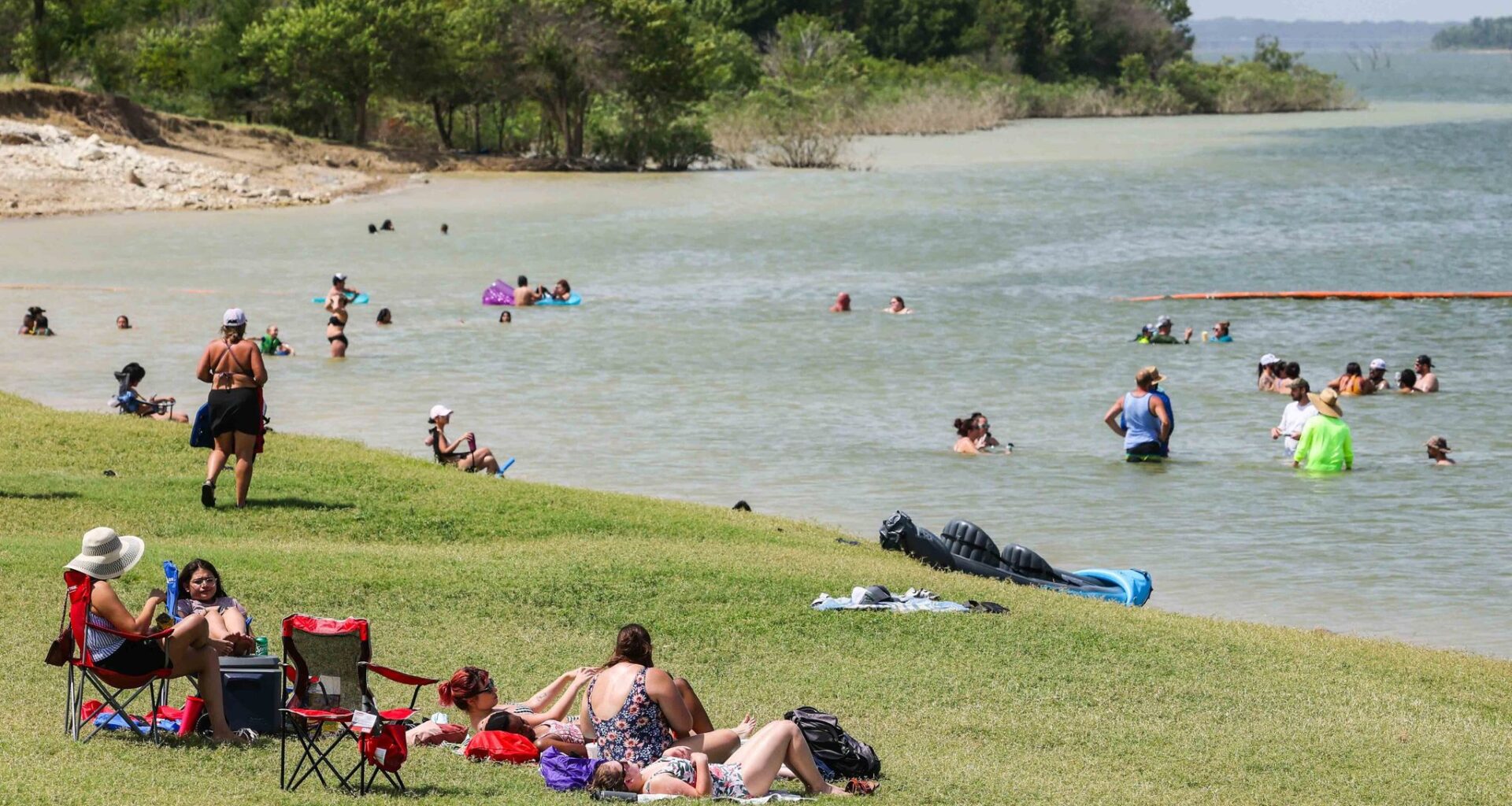
In Collin County, Lavon Lake offers a nearby getaway with five beaches. It’s especially known for fishing.
2021 File Photo/Staff
As North Texans gear up to celebrate America’s 250th birthday this Fourth of July weekend, Texas Game Wardens are urging those looking to spend time out on one of D-FW’s lakes to put safety first.

Texas has reported at least 43 water fatalities this year as of July 2, according to data from the Texas Parks and Wildlife Department. Of those fatalities, 18 were open water drownings, while the remaining 25 were boating-related deaths.
Related: What’s open, closed on July 4 in D-FW?
Article continues below this ad
In 2025, Texas reported 108 water fatalities, including 58 open water drownings and 50 boating-related fatalities.
Cody Jones, a Texas Game Warden assistant commander and boating law administrator, said game wardens responded to eight fatalities last weekend, along with at least five serious non-fatal incidents across the state.
It’s a “sad and sobering reminder,” he said, of the risks of being out on the water this summer.
“Unfortunately, when it’s your first time on the lake in a year, in some cases, the tragedy happens when you least expect it,” Jones said.
Article continues below this ad
A 15-year-old was among the fatalities last weekend. The teenager attempted to help a five-year-old who was on an inflatable at Lake Jacksonville in East Texas that had drifted from shore.
Related: Dallas saw thousands of random gunshots last July 4. Officials don’t want a repeat
A recent nonfatal incident included the rescue of a man who was stranded on a lake holding onto his kayak, Jones said.
As summer continues heating up and North Texans visit area lakes, here’s how you can stay safe.
Check the weather forecast
Jones said before heading out to the lake, check the weather and ensure it is safe to be on the water.
Article continues below this ad
“As we roll into the Fourth of July, it’s not lost on us that just one year ago, we had severe weather flooding,” Jones said. As weather can change quickly in Texas, Jones encourages lakegoers to be cautious, even if the weather looks clear.
“Texas is known for pop-up thunderstorms that come up very quickly,” Jones said. “Boats get flunked or capsized because the parties on them don’t take the steps to get back to shore, to some place of safety, prior to a storm coming up.”
Wear a life jacket
Jones said they encourage everyone to wear a U.S. Coast Guard-approved life jacket, even when swimming.
Article continues below this ad
“A life jacket will save your life, but it takes you wearing it and using it,” Jones said.
Jones said this also includes individuals who may jump in after someone who is suspected of drowning.
“You might be an excellent swimmer, but in most cases, open water is very unforgiving,” Jones said. “All it takes is a level of exhaustion [or] a cramp.”
Assign a water watcher
All swimmers, including children, teenagers and adults, should have somebody watching the water and making sure everyone is staying safe, Jones said.
Article continues below this ad
Related: How to prevent child drownings during peak swimming season
Avoid alcohol and drugs
Jones said the Texas Game Wardens typically see an increase in boating while intoxicated incidents and arrests in June and July. He said lakegoers should keep in mind that BWIs have the same penalty as driving while intoxicated.
For the Fourth of July weekend, the Texas Game Wardens will also be promoting Operation Dry Water, a national campaign to spread awareness about boating under the influence.
“We’ll be out in force conducting safety inspections, making sure that operators and their passengers are prepared,” Jones said.
Article continues below this ad
Be cautious of lake depth
Jones said Dallas tends to see drowning incidents at lakes such as Lewisville Lake, Joe Pool Lake and Eagle Mountain Lake.
A common factor in lake drownings are uneven bottoms and drop-offs in the lake, Jones said. The bottom of a lake can change on a daily basis, he said.
“You might have a three-foot swim area one day and maybe a 10-foot area the next day,” he said.
Oftentimes, drownings occur when people get too far out in unknown conditions and are not able to make it back to shore, Jones said.
If you suspect someone is drowning, call 911 and throw an object to pull them in, such as a flotation device, Jones said. Once a person is pulled out of the water, start CPR and follow the first responders’ directions.
“People do survive drownings,” Jones said. “You need to provide immediate medical attention, and you could definitely save their life.”
Related: How do you know if a Texas lake or river is safe to swim in?