
Texans should welcome the economic impact data centers can bring to the state, but growth must be thoughtful and questions about how these developments affect communities need deeper understanding.
Last month, Gov. Greg Abbott unveiled new regulatory guidance calling on data centers to add power capacity to the grid, reuse water for cooling systems and require them to pay for their own infrastructure costs.
Abbott is right to push for a framework that reduces the impact data centers have on their neighbors because as Texas attracts more data center development, especially in rural areas, the state is confronting a new reality.
According to information from Data Center Map, there are 480 data centers operating in Texas with Dallas-Fort Worth home to the state’s largest data center hub.
But enthusiasm for artificial intelligence and the infrastructure behind it is beginning to fade. As we see AI creep into more parts of our lives, people are becoming wary. What once sounded like innovation and economic growth now raises concerns about noise, tradeoffs in terms of land use and strain on the electric grid.
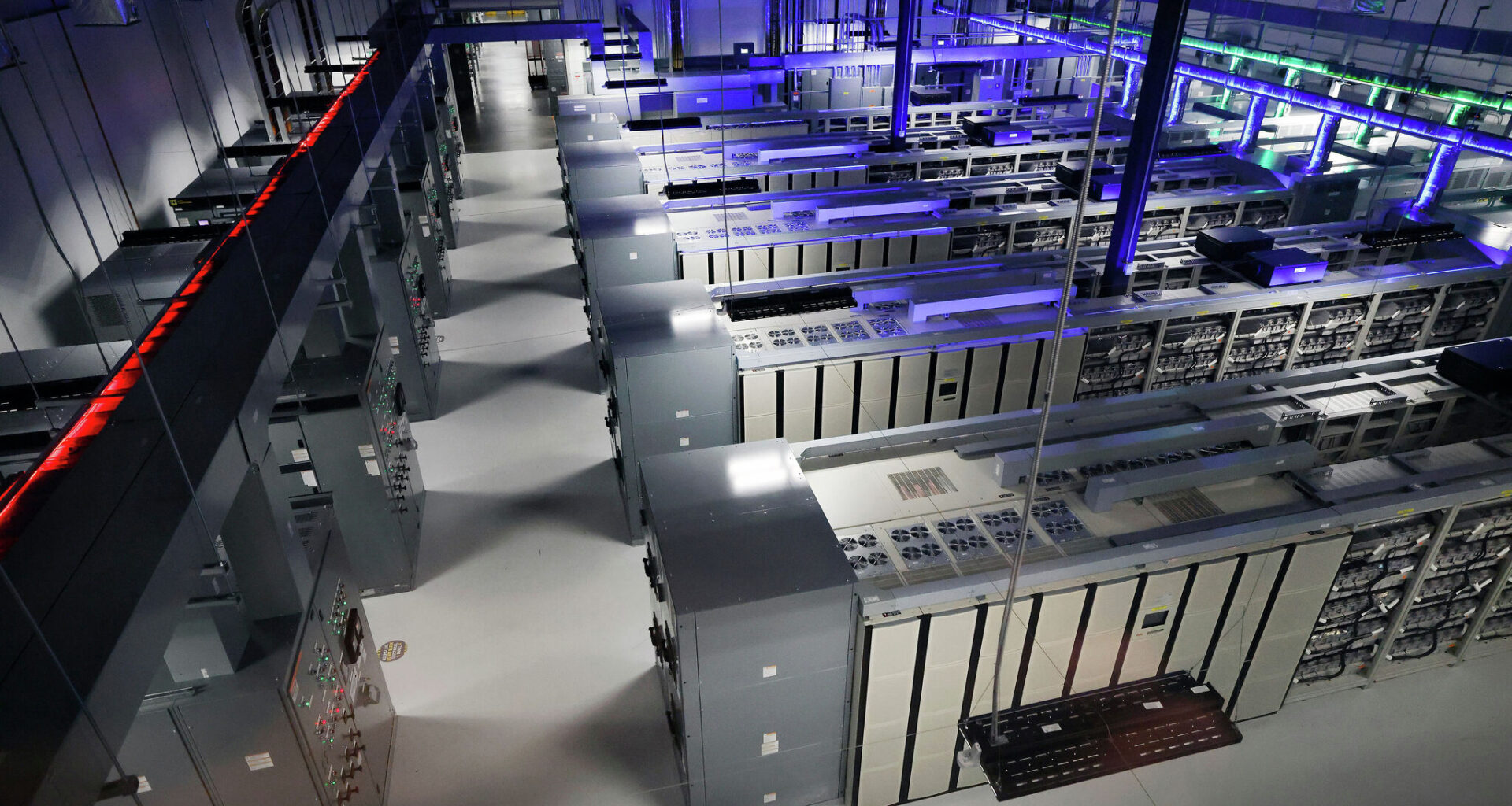
Many of these centers are being built in rural communities that don’t have adequate policies in place to deal with this level of growth. Neighbors have complained about the noise coming from the roar of the fans that cool the centers down and the pressure they put on local power sources.
In Wilmer, located in southeast Dallas County, KERA recently reported that there’s a growing tension between industry and infrastructure. The city will soon become home to two new data centers, but residents would prefer to see a grocery store or space for more homes to be built.
Gallup survey results released in May found that about 70% of Americans oppose the construction of data centers in their communities, with more than half expressing “strong opposition.”
Abbott has gone so far as to call for a ban on data center development in rural neighborhoods.
We welcome that change of tune in response to popular concern. It speaks to a broader shift in how people view AI, especially when AI isn’t just an abstract concept on the computer but instead starts to impact people’s lives and their homes.
Texans may still support technological growth and be open to business and development, but people become far less enthusiastic when the costs become visible in their backyards.
Have thoughts about this? Send a letter to the editorusing our letters form or email letters@dallasnews.com. Letters should be no more than 200 words and include the first and last name of the writer and city of residence.