
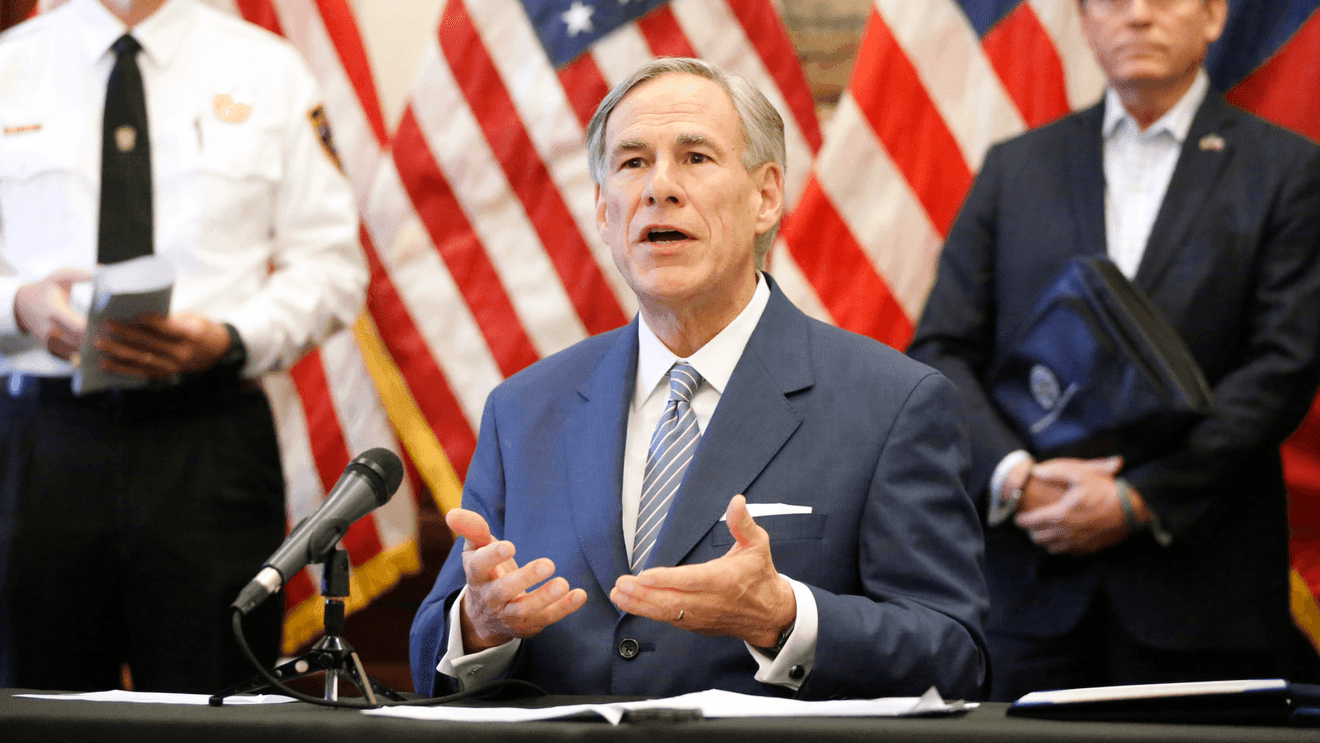
ABILENE, Texas — A proposal from Gov. Greg Abbott to restrict new AI data center projects in rural Texas neighborhoods has sparked a broader conversation about the impact of AI facilities in communities across the state.
During a campaign stop on June 30, Abbott called for new AI data centers in rural Texas neighborhoods to be prohibited (SBG).
Abbott’s proposal prompted discussion among Big Country residents. Among those weighing in was Jessica Reha of Abilene, who acknowledged the economic benefits tied to data center development while emphasizing the need for thoughtful, measured growth.
“For people who have businesses such as property management, real estate, and construction, it’s a positive thing,” Reha said. “However, this data center expansion that we’re seeing across the state shouldn’t be so widespread. I think it should be more limited.“
During a campaign stop in Bullard on June 30, Abbott called for new AI data centers in rural Texas neighborhoods to be prohibited. He also argued that companies seeking to build facilities in the state should finance their own projects, provide their own power, reuse their own water, and no longer receive tax incentives. The proposal represented a notable shift in Abbott’s approach to AI development, following his previous efforts to position Texas as a national hub for artificial intelligence, including his support for major investments such as Google’s $40 billion commitment to cloud and AI infrastructure in the state.

He argued that companies seeking to build facilities in Texas should finance their own projects (KTXS/Scott Martin).
RELATED | Google’s $40 billion Texas data center investment set to lead U.S. in global AI race
Sweetwater resident Darrell Doggett shared why he believes a data center ban would overlook the unique needs of individual communities.
“Data centers are a double-edged sword. I think Governor Abbott needs to look at every aspect of these data centers, including water, electricity, and the economic impact that they can have because they do bring a lot of money into our communities,” he said. “Trying to ban projects like this might not be the best option.”
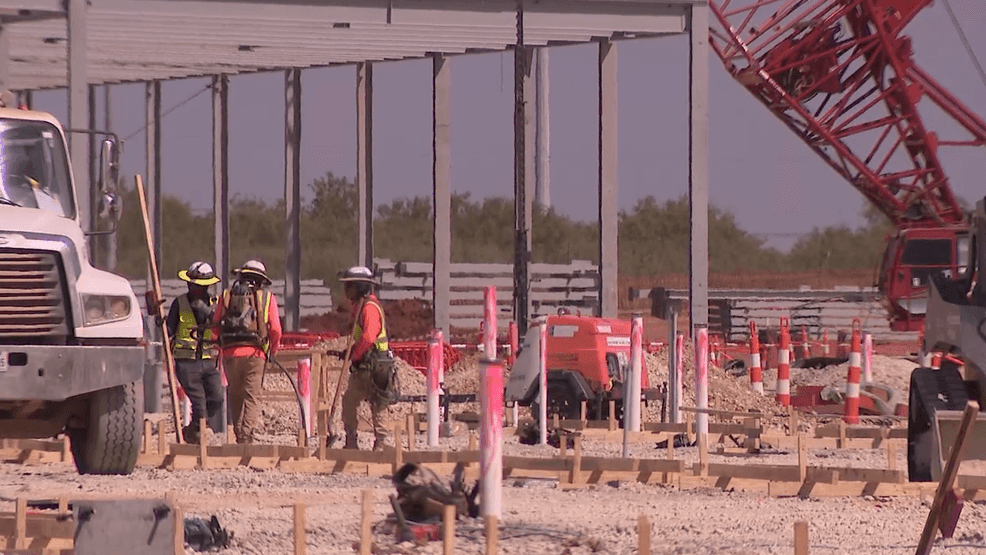
The proposal represented a notable shift in Abbott’s approach to AI development (KTXS/Scott Martin).
Abilene resident David Kelsey discussed the challenges of living near a data center, citing increased traffic and disruption to rural life.
“I have a house on the way to the data center. The traffic is horrible. About 6,000 people pass by my house. It must be tough for rural areas because they moved out there to have less disruption,” he said. “Artificial intelligence is really getting out of hand. It’s taking over everything. I just don’t think the future is looking good.”