
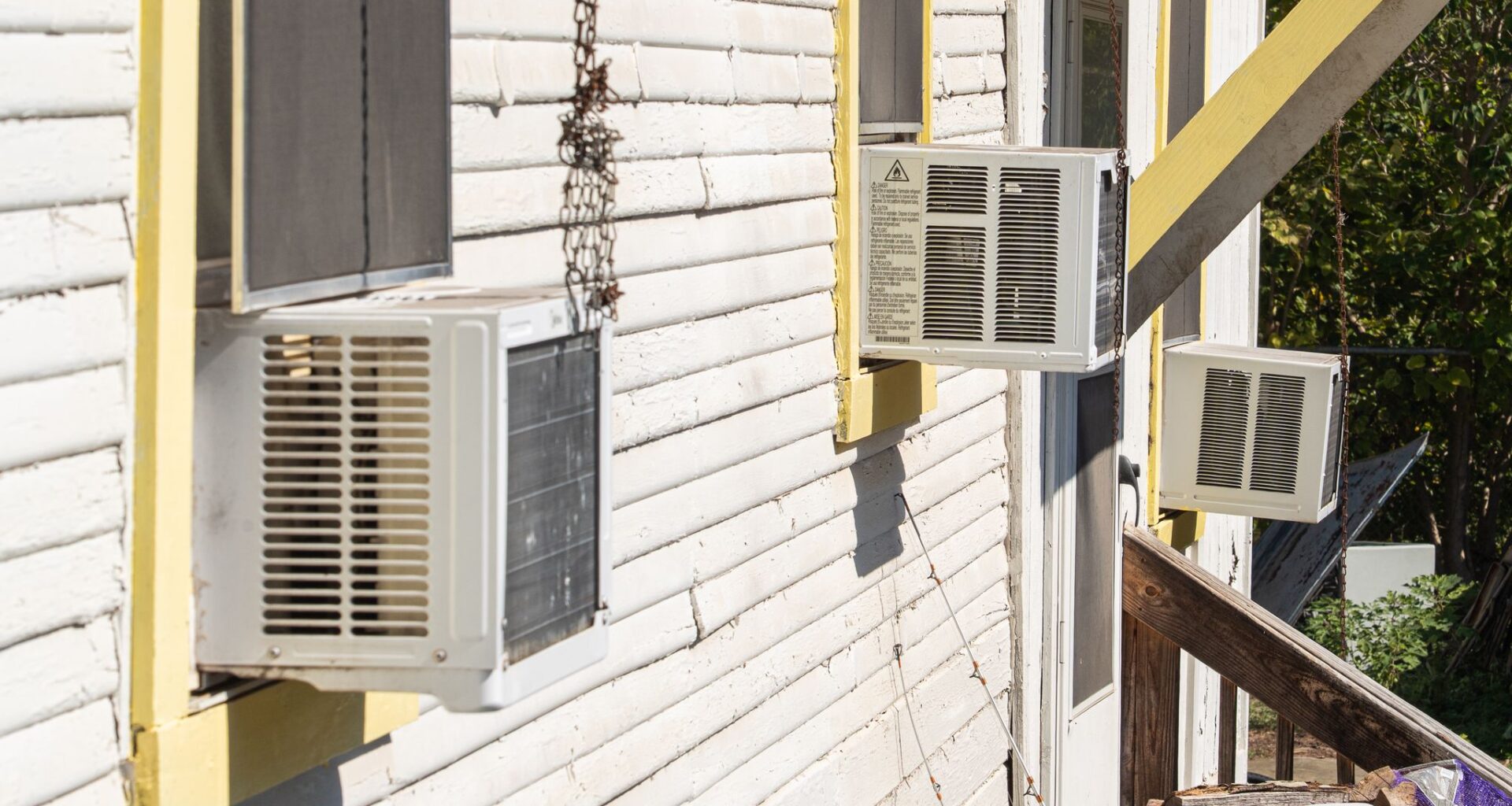
A week with highs pushing into the upper 90s is not unusual in an Austin summer, and with it come guessing when you should turn on your air conditioning. Wait too long and you’re fighting a house that’s baked all afternoon. Crank it too cold and you’re paying for it.
The fix: turn it on earlier than feels necessary, but don’t set it lower than you have to.
Once outdoor temps hit the mid-80s and your house climbs toward 78-80 inside, switch the AC on — typically by late morning. Wait until 4 or 5 p.m., and your walls and roof have spent hours soaking up heat, forcing the system to work overtime just to catch up.
Austin Energy recommends keeping thermostats at 78 or higher in summer. Every degree below that adds 6-8% to your energy bill. Steady, moderate cooling beats letting the house overheat, then blasting it back down — a thermostat held at 78 all day uses less energy than one that climbs into the 80s and gets force-cooled to 70. The Department of Energy confirms cranking the AC colder doesn’t cool faster, it just runs longer.
Ceiling fans make a room feel about 4 degrees cooler, so nudge the thermostat up while using them — just turn them off when you leave, since fans cool people, not empty rooms. Closing blinds, swapping dirty filters, and avoiding the oven during peak heat all help too. For Austin Energy customers, this matters financially since rates are tiered — the more you use, the more each kilowatt-hour costs.
Savings aside, AC during extreme heat is a safety issue.
The City of Austin has been warning residents about an early heat wave, urging them to stay cool and hydrated, and the city’s emergency management office has stressed that residents — even longtime Austinites — shouldn’t underestimate how severe and unpredictable the heat can get.
Older adults, kids, people with medical conditions, outdoor workers, and pets may need it cooler than 78. Cooling centers are available at city libraries and rec centers for anyone who needs a break from the heat. And don’t ignore heat illness — confusion, dizziness, fainting, or hot skin can mean a medical emergency.