
Summer produce season has arrived in North Texas, along with a familiar parasitic illness.
Cases of cyclosporiasis, a diarrhea-inducing intestinal illness, are on the rise in the Dallas-Fort Worth area. Here are the foods that have been linked to past outbreaks along with tips to keep yourself safe.
Cyclosporiasis is an intestinal illness caused by the microscopic parasite Cyclospora cayetanensis. The illness is commonly contracted after eating food or drinking liquids contaminated with feces containing the parasite, but it can also be acquired by swimming in contaminated bodies of water.
At least 145 cases of cyclosporiasis have been reported across 17 U.S. states as of June 16, according to the Centers for Disease Control and Prevention. The source of the current cyclosporasis outbreak is unknown and under investigation.
Dallas County is investigating eight to 10 potential cases of cyclosporiasis as of July 7, with surrounding counties reporting a handful of cases.
Prior foodborne outbreaks of cyclosporiasis in the U.S. have been linked to various types of fresh fruits and vegetables.
The parasite primarily affects fresh produce as it can be introduced via irrigation water or while handling, growing and harvesting. Since many fruits and vegetables can be eaten raw, they can be harder to sanitize before eating, according to the Food and Drug Administration.
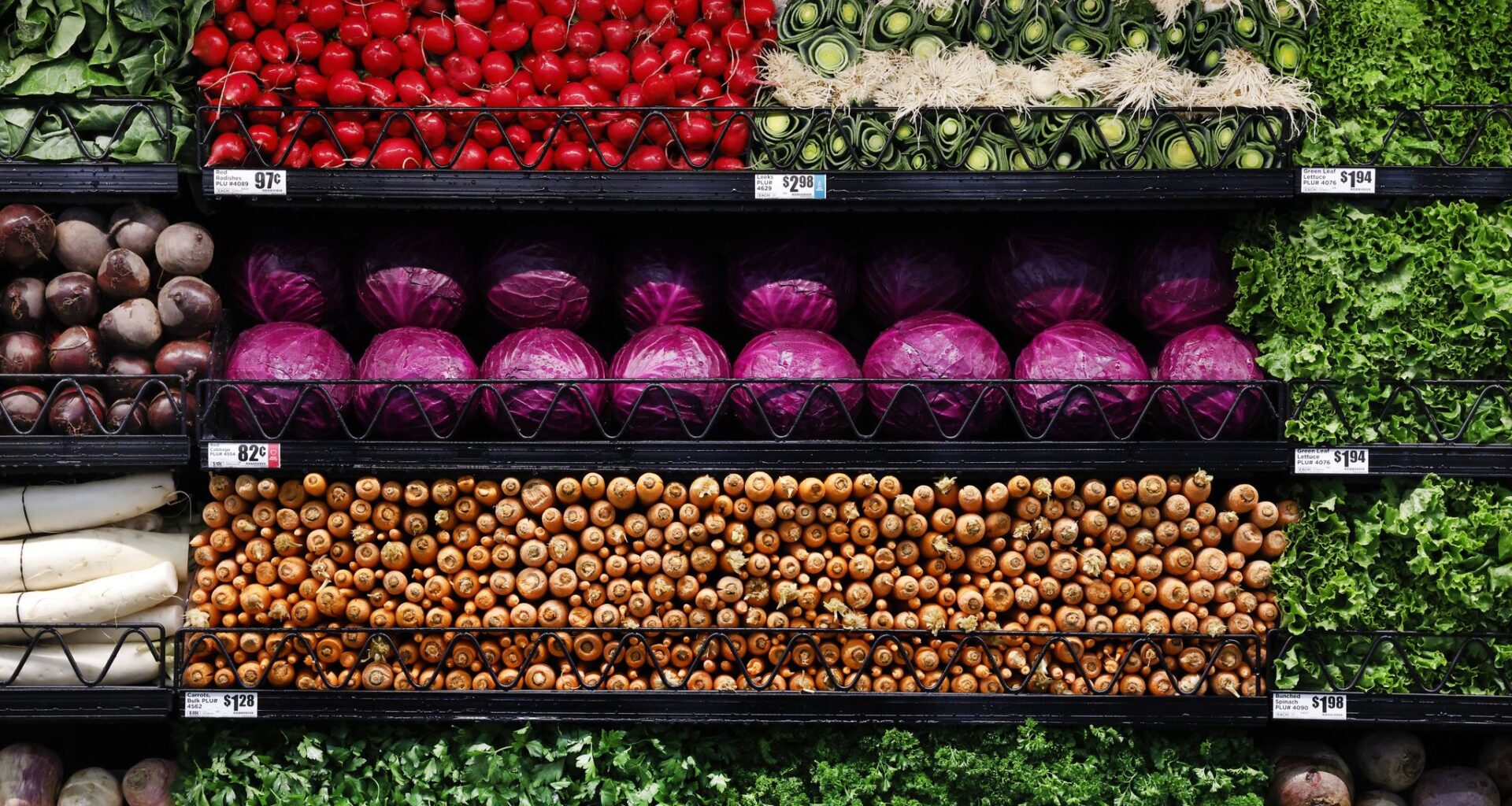
Cyclosporasis outbreaks have also been previously linked to bagged salad mixes containing iceberg lettuce, red cabbage and carrots, according to the FDA.
The CDC recommends washing your hands with soap and water before and after handling or preparing fruits and vegetables. Consumers should thoroughly wash all fruits and vegetables before use, scrub firm fruits and vegetables with a clean produce brush and cut away any damaged or bruised areas on produce.
While rinsing or washing fresh produce is still encouraged to remove dirt or other contaminants, the CDC says washing alone is unlikely to remove cyclospora. However, heating fresh produce and vegetables to at least 158 degrees can kill the parasite.
For fresh produce that is typically eaten raw, such as raspberries, consumers may want to consider buying frozen fruits. Freezing produce may lower the risk of exposure, but it does not guarantee elimination of the parasite.