
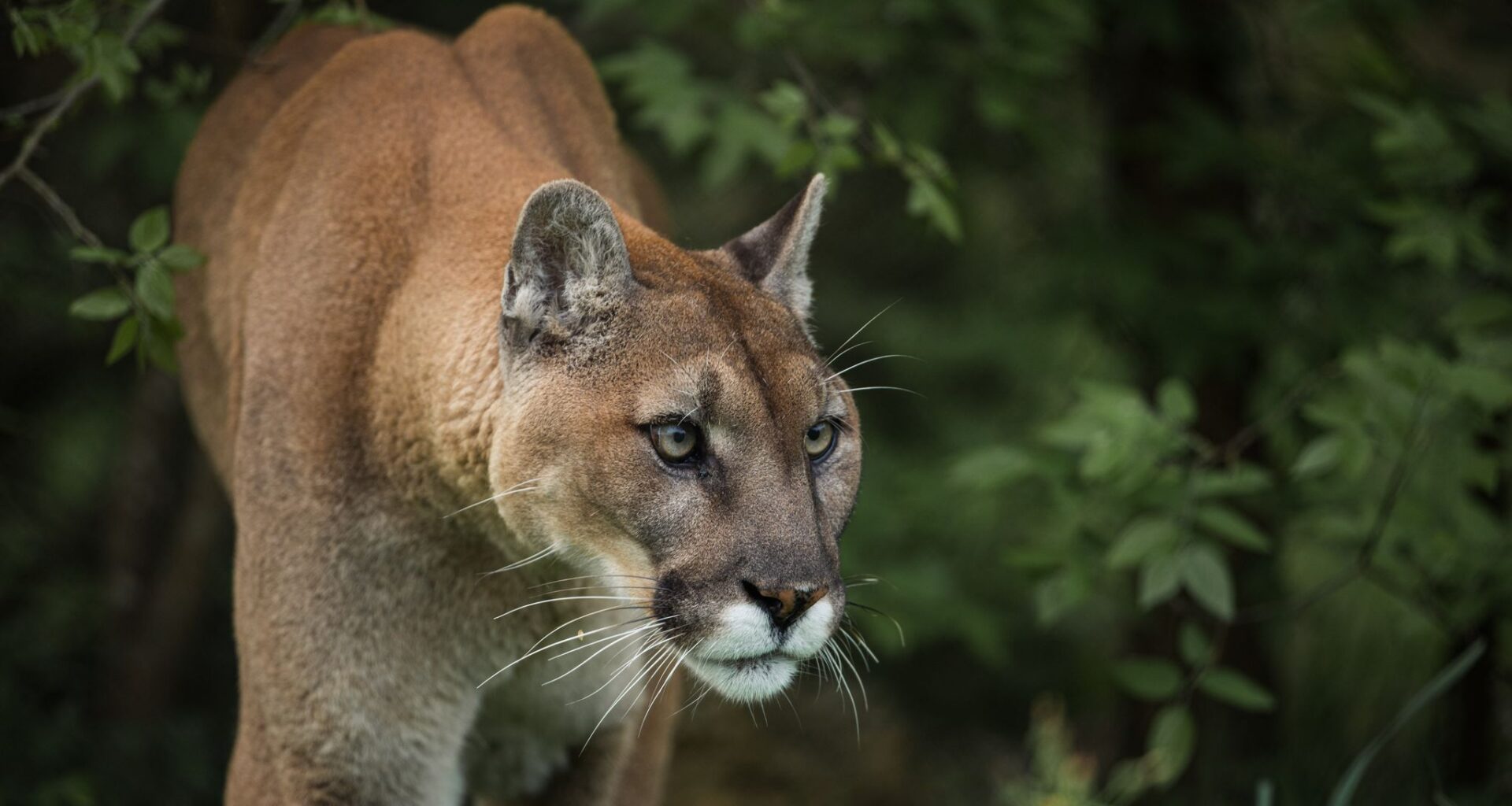
In May 2024, a truly historic event occurred: The first-ever regulations for mountain lions in Texas were established. The Texas Parks and Wildlife Commission voted unanimously in favor of 36-hour trap check times and a ban on canned hunting. A resounding 91% of more than 7,500 respondents to a public survey conducted by TPWD concurred with the commission’s decision.
The 2024 action represented the first step in protecting the future of mountain lions in Texas. The next step is to mandate harvest reporting. If approved, scientists would finally have the data they need to determine population trends for Texas’ largest wild cat.
But there’s no word about when the commission might take the next step. At the commission meeting on May 27, Chairman Paul Foster announced that the item would be withdrawn from consideration and postponed for further discussion.
For those who support science-based wildlife management, the decision was deeply disappointing.
Texas has two mountain lion populations, in Far West Texas and South Texas. Mountain lions are listed as a species of greatest conservation need in the Texas Conservation Action Plan and are classified as vulnerable or imperiled. Yet despite their conservation status, Texas currently lacks one of the most basic tools needed to understand and manage these populations: reliable mortality data.
We know that humans are the primary cause of mountain lion deaths in Texas. What we do not know is how many mountain lions are being killed each year, the genetic health of the population or whether populations are stable, increasing or declining. Because harvest reporting is not currently required, those questions remain unanswered.
Mandatory harvest reporting is the most practical and cost-effective way to close this information gap, and Texas already collects similar data for several other wildlife species. In fact, every western state that permits mountain lion hunting requires some form of harvest reporting.
In announcing the delay, Foster reaffirmed two guiding principles of the North American Model of Wildlife Conservation: Wildlife is a public resource, and stewardship decisions must be grounded in sound science. Sound science, however, requires sound data.
Foster also emphasized the importance of engaging private landowners and hunters whose partnership is essential to successful wildlife conservation. Wildlife management works best when all stakeholders have a seat at the table.
But additional stakeholder engagement should not come at the expense of collecting the information needed to make informed decisions. The postponement means another year without critical data on mountain lion mortality and population trends.
The good news is that this issue is not dead. It has simply been delayed.
Wildlife management should be based on science, with input from all stakeholders. The first step is collecting the data.
Monica Morrison is founder of Texas Native Cats and a member of Texans for Mountain Lions.
Have thoughts about this? Send a letter to the editor using our letters form or email letters@dallasnews.com. Letters should be no more than 200 words and include the first and last name of the writer and city of residence.