
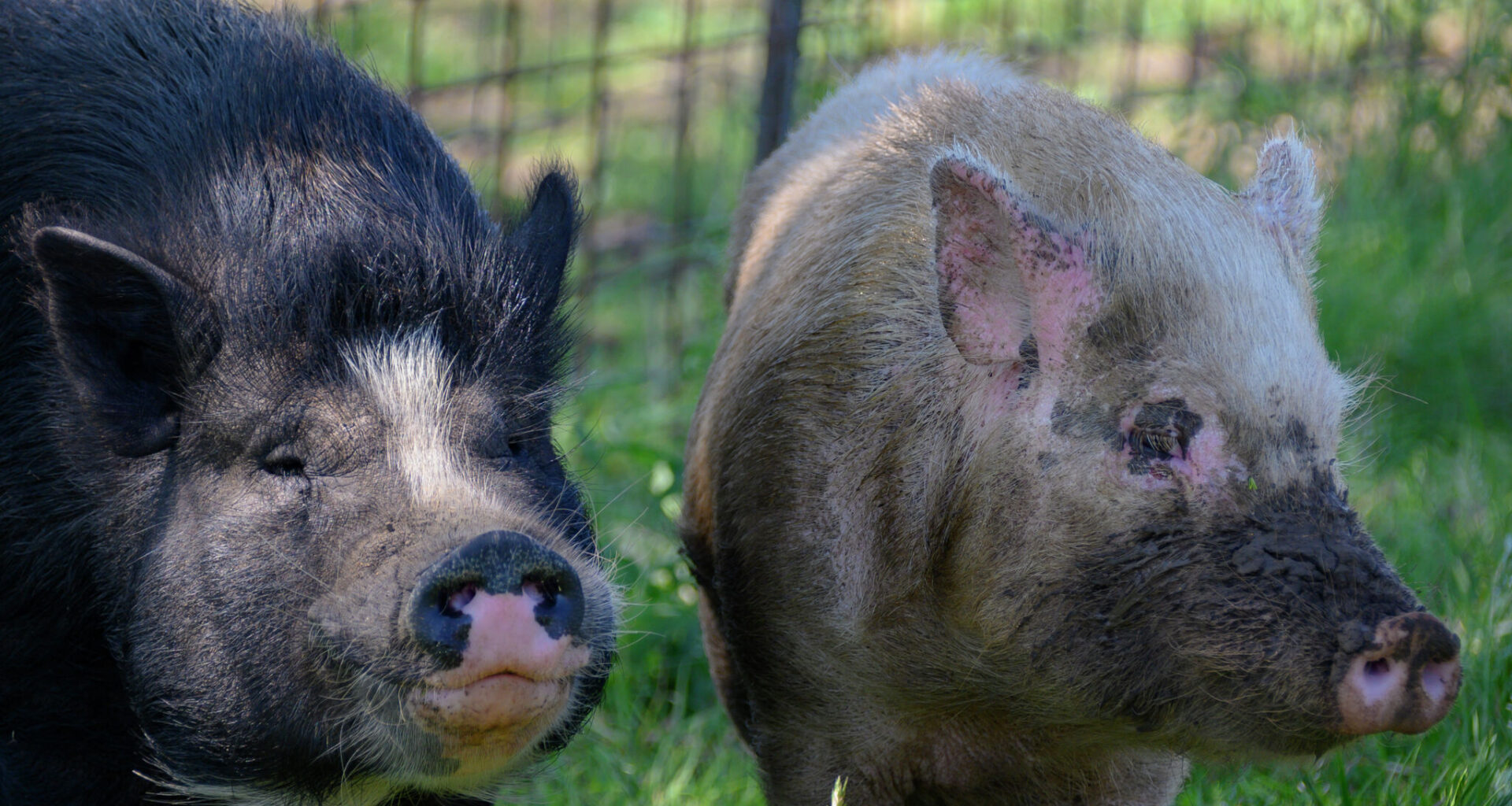
In San Antonio, it’s extremely common to see pet pigs or wild hogs on the loose. But that doesn’t mean that there aren’t tons of rules surrounding the ownership of these cute (but smelly) animals. Here’s what you should know before you start considering building that backyard pen.
The short answer? No. Swine of all kinds, including pot-belly pigs, are prohibited in San Antonio, according to City ordinance. However, you can have livestock such as chicken, equines, bovines, sheep, goats and llamas as long as you have the correct permit and abide by rules regarding things like headcount and upkeep. Additionally, livestock are not allowed to roam and must be contained at all times.
The ordinance lays out extremely specific circumstances under which pigs can be inside city limits, including exhibition at stock shows, fairs, circuses and zoos, vocational schools with proper facilities, slaughtering establishments and when offered for sale at stock yards or auction barns. There are also strict rules regarding members of FFA (Future Farmers of America).
In Texas, backyard animals and livestock are typically regulated by city ordinance rather than at the state level. Additionally, the ACS spokesperson said Homeowners Associations are able to set stricter guidelines for animal and pet ownership than what local ordinance allows for, so locals should be aware of their particular HOA’s guidelines. HOAs cannot, however, allow animals that are already prohibited by law.
A spokesperson for City of San Antonio Animal Care Services told MySA that the law is longstanding and likely targets cleanliness, care and a misunderstanding of the species’ intelligence.
“I think that there’s a misunderstanding about … the level of care that these types of animals need, but also how incredibly smart they are,” the spokesperson said. “You know, [when] people think pigs, they think this big kind of chunky creature that likes to play in the mud. Well, that too, but they’re also incredibly smart, and part of that intelligence is sometimes spent trying to figure out, ‘How do I get out of this enclosure?'”
Violators would receive a citation, which could carry a fine of up to $2,000 as determined by a judge, according to the ACS spokesperson.
The ACS spokesperson said this is extremely common, and illegal pet pigs have been spotted as recently as last week. Feral hogs are also common, as San Antonio is rapidly expanding into wildlife habitats. Should residents spot a pig, they should try to safely take a photo or video so that ACS can determine whether it’s a potbelly or pet pig, or a feral hog. They can then call 311 or use the 311 app and should give the City any and all details about the pig’s habits and whereabouts as possible.
For domesticated pigs, it’s possible to walk up, leash it and lead them to a vehicle, the spokesperson said. However, wild animals may require trapping and other approaches. Regardless, the animal will be brought into ACS, and and pet pigs will not be able to be reclaimed to a San Antonio address. If the owner can relocate it outside of city limits, the owner can reclaim it after paying the required fees. Wild animals will be released outside city limits in collaboration with game wardens and wildlife rescue, the ACS spokesperson said.