
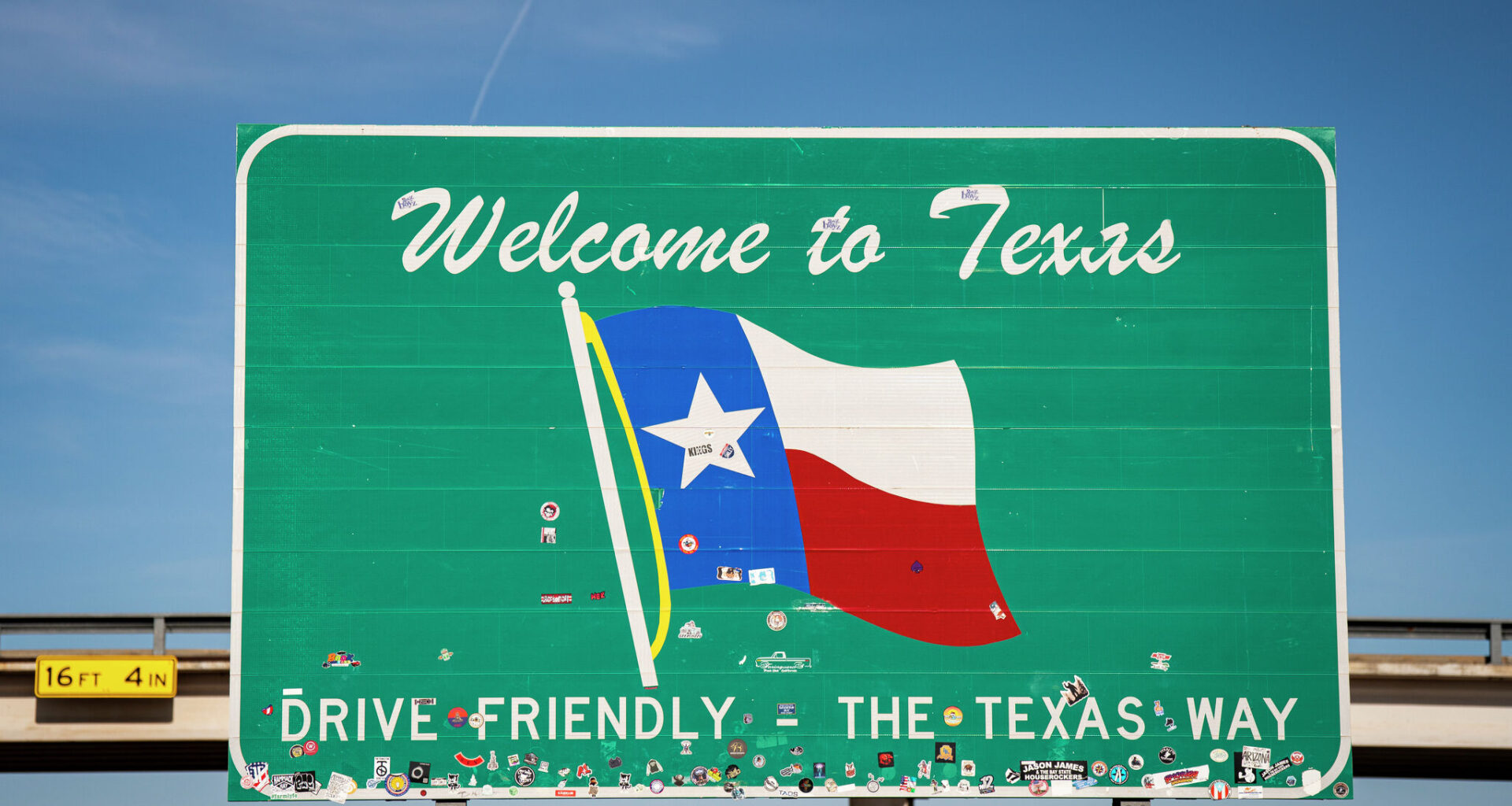
The report cites Texas’ healthcare, crime, inclusiveness, worker protections and reproductive rights as key weaknesses, while identifying child care and air quality as the state’s only strengths. CNBC gave Texas an F grade, awarding it 78 out of 290 possible points.
“While Texas continues to lead the nation in attracting workers, those workers are finding a broad array of challenges when they get there,” CNBC wrote.
The ranking cited data from the United Health Foundation showing that 16.7 percent of Texans lack health insurance—more than double the national average. The study also found that 17 percent of adults in Texas said they had to skip a needed doctor’s visit within the past year because they couldn’t afford it.
“Even those who do have health insurance can have trouble finding a doctor. The state finishes dead last in primary care physicians per capita,” CNBC wrote.
Tennessee ranked as the worst state to live in for 2026, with CNBC citing crime, inclusiveness and worker protections among its biggest weaknesses. The state received 64 out of 290 points, with air quality listed as its only strength.
The report also pointed to state laws targeting LGBTQ+ communities, as well as high rates of violent crime and drug overdose deaths.
Behind Tennessee and Texas, Indiana ranked third worst with a score of 82 out of 290 points. CNBC called out the state’s lack of childcare availability, air quality and healthcare.
The top 10 also included Louisiana, Georgia, Utah, Missouri, Alabama, Oklahoma and Arkansas.
In that report, judged based on infrastructure, economy, work force, and several other key metrics, Texas ranked No.4 overall.