
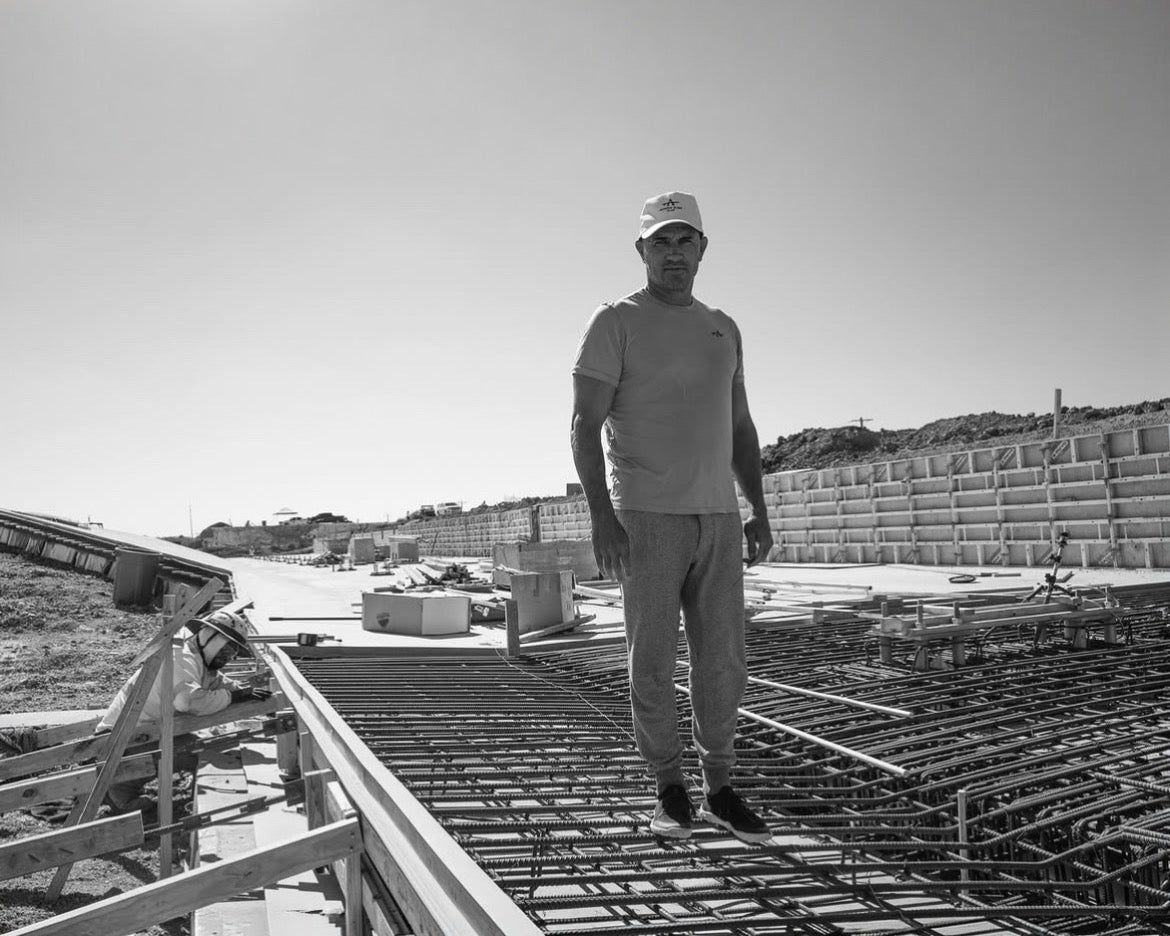
Somewhere east of Austin-Bergstrom International Airport sits a 333-acre patch of Texas dirt that has now swallowed two of the biggest names in artificial surf.
The first was NLand Surf Park. When it opened in 2016, it was the first public Wavegarden facility in North America; a proof-of-concept for the idea that you could build a real surf culture 200 miles from the nearest ocean. It lasted two years.
The second is Austin Surf Club, the ultra-private Kelly Slater Wave Company. development built on NLand’s grave. Construction has been paused since April. Contractors have filed more than $16 million in liens, up from $4.6 million this spring. And the project’s path forward appears tied to a petition for a special tax district that could raise roughly $171 million for the unsexy but essential stuff: roads, wastewater, and utilities.
Developers say they expect work to resume. The liens suggest the people who were supposed to build it are less convinced.
Two projects. Same dirt. Same outcome, so far: no waves.
And yet Texas keeps paddling back out.
The Boldest Bet in Surfing
On paper, Austin Surf Club should be impossible to kill.
Kelly Slater’s name is attached. Discovery Land Company, the developer behind some of the world’s most successful private communities, is running the development. Roughly $66 million has reportedly been raised from investors. The proposed 2,200-foot lagoon would dwarf the original Surf Ranch. The buyer list is said to include Matthew McConaughey, Tony Hawk, and Drew Brees, with homes averaging around $2.25 million and memberships tracking near $1.25 million.
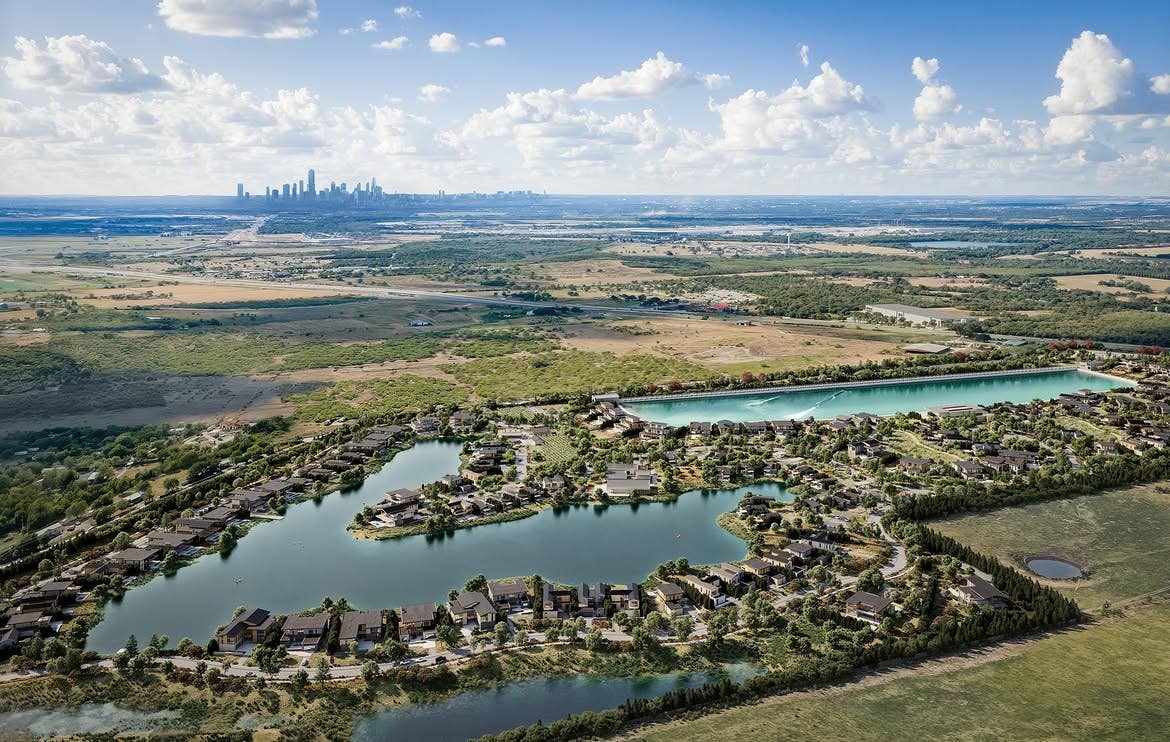 Instagram: @austinsurfclubtx
If that project can’t get concrete in the ground, what does that say about everyone else’s glossy renders?
Because there are plenty of those. Surf Lakes has signed an exclusive territory agreement for Austin. SonWest’s $1.5 billion Pura Vida community in Mustang Ridge, about 15 miles southeast of downtown, cleared a key approval last fall; it, too, is planned around a surf lagoon. Surf-park media has already mapped the fantasy Texas road trip: seven different artificial-wave stops, all within close distance.
The pitch is familiar. Austin has money. Athletes. Tech transplants. Long, brutal summers and a population willing to pay for access to just about anything.
What it doesn’t have, yet, is a wave pool that has stayed open.
Meanwhile, in the California Desert
That contrast has to sting for landlocked Texas surfers.
While Austin’s flagship project fights lien filings and infrastructure politics, the California desert is quietly assembling an actual surf ecosystem. Palm Springs Surf Club is operating. Coral Mountain is progressing. DSRT Surf in Palm Desert, a Wavegarden Cove designed to produce up to 1,000 waves an hour, has filled its lagoon and is targeting a summer opening.
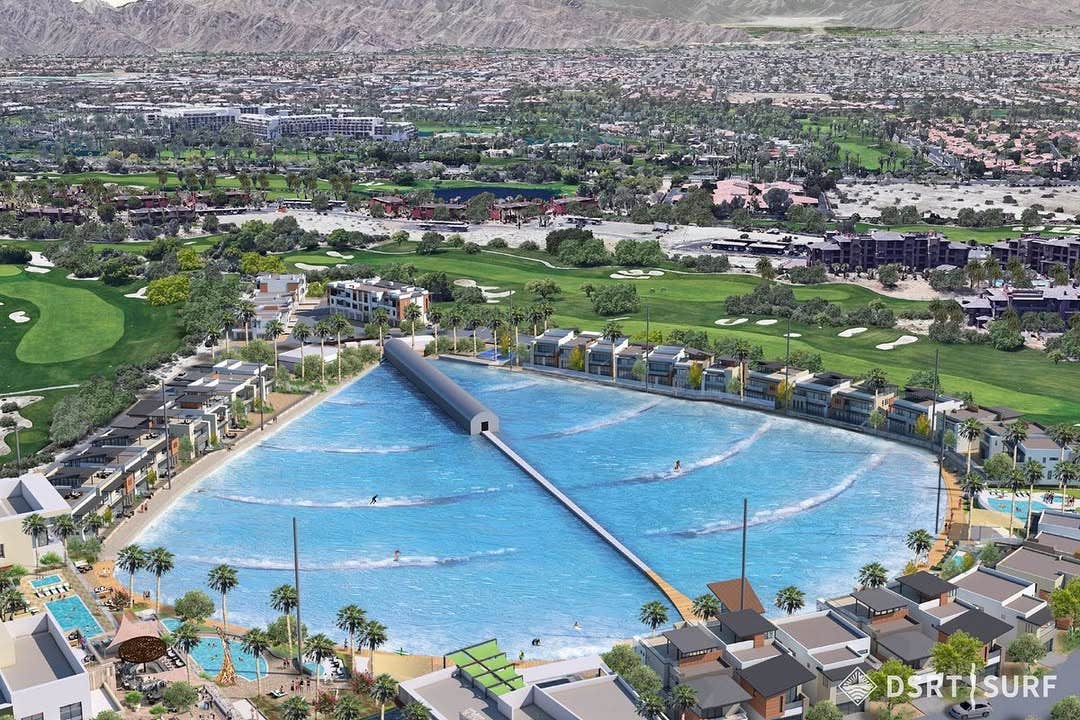
Surf
1,000 Waves an Hour: DSRT Surf Targets Summer 2026 Opening in California’s Desert
Same broad premise: make surf where surf does not naturally exist. Similar drought-prone climate. Same distance from the ocean. Different results.
Sign Up for the TGR Gravity Check Newsletter Now
Reinvent your morning scroll with the TGR Gravity Check Newsletter — your source for exclusive stories, breaking news, and first looks at the content you actually care about. Everything action sports and outdoor culture, all in one place. Welcome to Gravity Check.
100% Free.No Spam.Unsubscribe any time.
The difference is not the wave technology. It is everything around it.
Artificial surf is a real-estate business wearing boardshorts. The surfing is the amenity; utilities, zoning, jurisdiction, financing, and access are the actual make-or-break features. NLand died in a fight with Travis County over regulation before the wave itself ever had a chance to prove its business case. Austin Surf Club is now trying to navigate Austin’s extra-territorial jurisdiction while asking its future residents to help finance the pipes and pavement that make the project possible.
The desert projects have their own complications, but they appear to have handled the boring stuff first.
Don’t Call It a Curse
The easy version of this story is that the land is cursed.
The honest version is that Austin keeps getting sold as a surf town before someone finishes building the part that makes surfing there possible.
Maybe the tax district saves Slater’s lagoon. Or Pura Vida breaks ground next year and gets a wave running first. Maybe, a decade from now, the Texas “new North Shore” road trip is ready; and kids in Austin grow up with more consistent wave access than plenty of coastal surfers.
But right now, the scoreboard is:
Texas dirt: 2. Wave pools: 0.
The water always finds the leak.
 Chris FureyEditorial Writer
I’m an extreme sport athlete focused on speedflying, foiling, wakesurfing, skiing, and climbing. I’m deeply interested in extreme sports films, videos, and media; especially the role storytelling plays in capturing progression, risk, and the realities behind heavy moments.