
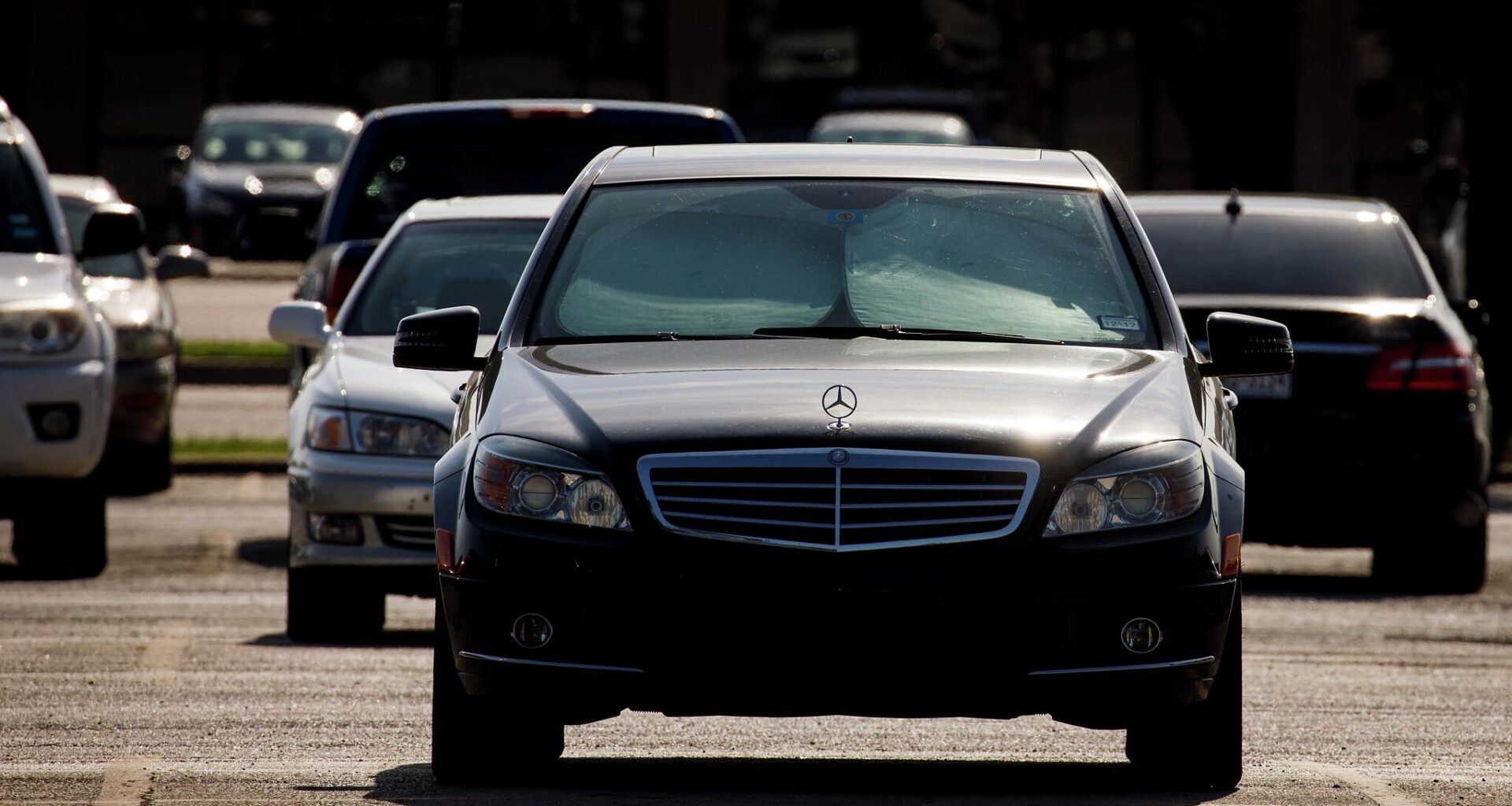
Rising car costs, high interest rates and an unpredictable market are just a few of the reasons Americans are keeping their cars longer.
The average car on the road is 13 years old, according to S&P Global. Older vehicles, or vehicles past a certain mileage, require extra attention. Extreme heat in North Texas can add stress to older vehicles.
Here’s how to make your car last longer in North Texas.
Prioritize regular maintenance. Get an oil change every 5,000 to 10,000 miles, depending on the manufacturer manual.
“Routine oil changes remain one of the most cost-effective ways to protect an engine,” said Daniel Armbruster, senior public affairs specialist for AAA Texas.
Tire pressure should be checked at least once a month. Every six months, the tires should be rotated to help extend tire life while improving safety and fuel economy, according to AAA Texas. Excessive heat, combined with underinflation or worn tire tread, can put drivers at risk of a tire blowout.
“Older vehicles may be more susceptible if routine maintenance has been delayed or components are already showing signs of wear,” Armbruster said.
High temperatures put a strain on nearly every major vehicle system, according to AAA Texas. Cooling system components, such as coolant fluid and the radiator, should be checked in extreme heat to prevent engine failure. If the car begins to overheat or starts emitting smoke, pull over and turn off the engine. Overheated engines are often the result of cooling system failure.
Motorists should get their car battery tested before drastic seasonal changes.
“Batteries are one of the most common components to fail during the summer because heat speeds up internal chemical deterioration,” Armbruster said.
As the heat continues, motorists must watch for warnings such as the check engine, battery, oil pressure, temperature warning and tire pressure lights. Listening for grinding brakes, knocking sounds coming from the engine and squealing belts is critical to catching a mechanical problem.
“Preventative maintenance is almost always less expensive than emergency repairs,” Armbruster said. “A little time spent maintaining your vehicle today can help you avoid a costly breakdown tomorrow.”