
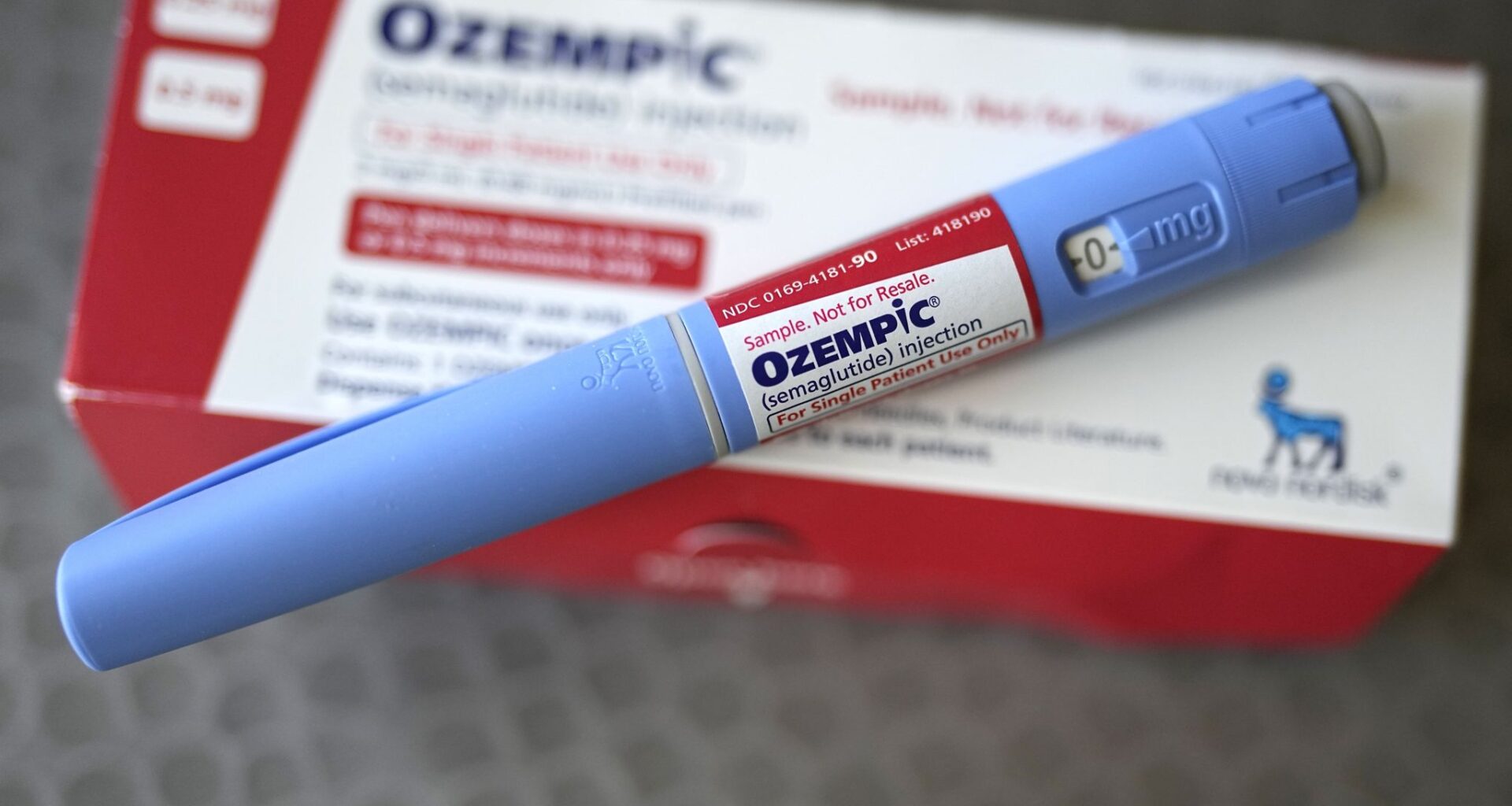
FILE – The injectable drug Ozempic is shown Saturday, July 1, 2023, in Houston. Even as millions of older adults clamor for drugs such as Ozempic and Wegovy, monthly use of the medications known as GLP-1 receptor agonists soared nearly 600% between 2020 and 2023 in people under 25 – and as young as 12. (AP Photo/David J. Phillip, File)
David J. Phillip/ASSOCIATED PRESS
Dallas planned to save about $12 million on employee healthcare this year. Instead, its employee health plan is expected to be $17 million over budget as spending on GLP-1 weight-loss drugs increases and high-cost medical claims rise.

The health cost pressure comes as City Hall has already frozen most non-uniform hiring, limited spending and suspended non-essential travel to address a city budget shortfall of about $30 million.
The city’s employee healthcare plan is self-funded, meaning the city collects contributions and directly pays medical and pharmacy claims for employees, retirees and covered family members. When those costs exceed expectations, the city must find more money to cover them.
Article continues below this ad
Dallas plans to cover the extra health costs by charging departments more for employee benefits, city records show. Officials haven’t said whether departments will receive additional funding or have to absorb the higher costs within their existing budgets.
It’s also unclear if that means there will be fewer hires, delayed equipment purchases or changes to services.
“The more that the city is spending on healthcare benefits, the less it has to spend on everything else that we’re all upset about, quality of streets, police, you name it,” said Vivian Ho, a health economist at Rice University.
GLP-1 costs
GLP-1 drugs have moved beyond treating Type 2 diabetes. Newer versions are approved for weight loss and other conditions, increasing the number of patients who may qualify for them.
Article continues below this ad
One of the city’s fastest-growing healthcare costs are GLP-1 medications used for weight management.
About 12% of U.S. adults said they were taking a GLP-1 drug, according to a November 2025 KFF poll, while 18% said they had used one at some point.
Spending on the drugs increased 69%, from about $6 million during the 12 months ending in April 2025 to almost $11 million through April 2026, according to a report from a benefits consultant.
The number of city health plan members using the medications rose from about 940 to nearly 1,360 during the same period. New prescriptions accounted for 76% of the city’s April spending on GLP-1 drugs used for weight loss, the report said.
Dallas has more than 15,000 employees, but the health plan also covers retirees and dependents.
Article continues below this ad
The GLP-1 class includes diabetes medications such as Ozempic and Mounjaro and weight-management drugs such as Wegovy and Zepbound.
GLP-1 medications are often used for long-term treatment because patients can regain weight after stopping them, said Dr. Joseph Chang, chief medical officer at Parkland Hospital.
Dallas isn’t considering reducing coverage for employees who use the medications to treat Type 2 diabetes, calling them proven, standard treatments that can reduce the risk of heart attacks, strokes and kidney disease, the city’s human resources department said in a written statement
“The more complex question is weight management coverage for employees without a diabetes diagnosis,” city officials said.
The department said obesity is linked to more than 60 chronic conditions and substantially higher medical costs, creating a long-term argument for treatment even as the drugs add significant short-term expense.
Article continues below this ad
City officials said they’re monitoring use, patient outcomes and changes in drug prices.
Dallas considered ending coverage for the injectable weight-loss drugs Wegovy, Saxenda and Zepbound as a possible cost-saving measure while developing this year’s employee health plan, according to a draft May 2025 human resources presentation. The document estimated the change would have affected more than 600 members and saved $3.7 million.
Oral weight-loss drugs would have remained covered.
It’s not immediately clear whether similar cuts will be suggested for the upcoming city budget. The first draft will be publicly released by the city manager in August.
Other medical costs
Dallas budgeted about $232 million for employee benefit expenses this fiscal year. By April, the city was projecting those expenses would reach about $249 million by Sept. 30.
Article continues below this ad
But the city’s high healthcare costs can’t be blamed on weight-loss drugs alone.
High-cost medical cases also added to the pressure. A May report from a city benefits consultant said 24 health plan members each exceeded $100,000 in medical claims, adding about $5.7 million in costs.
Another presentation in February showed two ongoing cancer claims had each exceeded $1 million.
A separate city presentation said five people each generated more than $1 million in healthcare claims in 2024. The cases included cancer, premature births, muscular dystrophy and a lung transplant.
A hiring concern
The city’s health plan poses a recruitment and retention problem for the police department as it tries to expand its ranks. Neighboring agencies offer less expensive and more comprehensive benefits, said Dallas Police Association president Sean Pease.
Article continues below this ad
“We must stop looking at employee benefits as a cost to be controlled and start viewing them as an investment in the workforce,” Pease said.
It’s unclear how many police officers use GLP-1s, but some officers have told the association that getting the medications approved through the city plan can be difficult. Some pay for them out of pocket, according to Pease.
“From our perspective, very few officers have actually benefited from insurance coverage for these medications, making it difficult to conclude that employee usage is the primary driver of rising costs,” he said
Hard choices loom
Dallas has more options beyond reducing benefits or charging employees more for their health plans, experts say. Cities can examine what they pay hospitals, study claims data, review contracts with insurers and brokers and help employees find lower-cost providers.
Health benefits are part of employees’ total compensation. Cutting coverage without first examining other savings can make it harder for a city to recruit and retain workers. It can also harm the health of its workforce, said Ho, the health economist at Rice University.
There’s little public information comparing employee health plans across cities, she said. Without those comparisons, residents can’t tell whether Dallas is managing its health costs better or worse than other cities.
“That’s stuff we need to know,” Ho said, “because that’s the only way we can make employers accountable.”
Are you a current or former City of Dallas employee or retiree who has sought coverage for a GLP-1 medication through the city’s health plan? We’d like to hear about your experience. Contact Everton Bailey Jr. at everton.bailey@dallasnews.com