
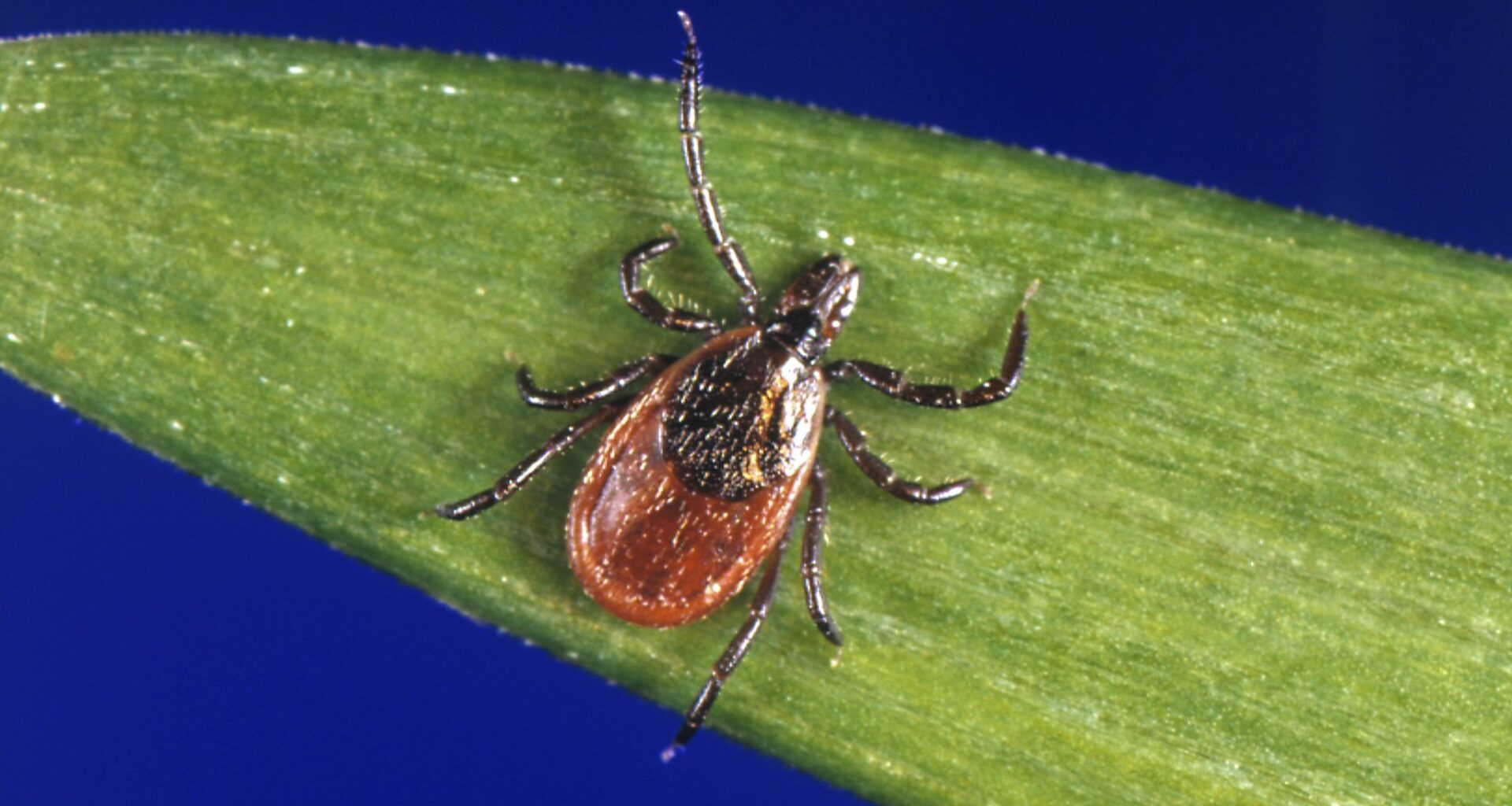
The CDC warned of a tick-related illnesses surge this year.
James Gathany/ASSOCIATED PRESS
In April, the CDC issued an advisory warning Americans of a nationwide rise in tick-borne illnesses. The agency reported tick bite-related ER visits reached their highest levels since 2017, and experts warned this number was only set to increase during the April to September tick season.

Although the south-central region, which includes Texas, is not as severely impacted, state experts reported an increase in tick activity and insist preventative measures are a necessary precaution. Here’s what to know.
Related: Tick season seems to be off to a fast start, and some experts worry about future illnesses
Article continues below this ad
Are there ticks in North Texas?
That’s according to Dr. Sonja Swiger, a professor and livestock and veterinary extension entomologist with Texas A&M AgriLife Extension. Texas’ plethora of tick species are more prevalent on the state’s eastern side but the population has spread north and west in recent years, Swiger said.
Dr. Micheal Allen, the director of the Tick-Borne Disease Research Laboratory at UNT Health, echoed this observation.
In a partnership with the Texas Department of State Health Services, Allen’s lab tests ticks as a public health service, gathering information about present species and the pathogens they carry.
Article continues below this ad
In May, the lab saw its highest number of submissions ever since its 2004 inception. In June, the May number was beat by nearly 50%. Allen credits this increase to a combination of growing awareness of his lab and tick-borne diseases, and a boost in tick population.
Not only has Allen observed ticks spreading across the country, but the lab received five ticks in the last year originating from overseas, illustrating the risk of international cross contamination.
Although the concentration of ticks in Texas’ urban areas like Dallas and Fort Worth is currently unknown, Allen said the presence of wildlife, vegetation and grass can determine the likelihood of tick exposure. Wildlife serve as a food source for the blood-feeding bugs.
Chris Morris, urban biologist for the city of Dallas, said ticks have not been a noticeable problem within the city’s parks. “They are a concern in tall grass and the woody or forested areas along nature trails,” he said.
Why are ticks dangerous?
Ticks are blood-sucking arachnids that can transmit disease pathogens by biting hosts.
Article continues below this ad
Swiger and Allen both identified three main illnesses that could impact Texans: Lyme disease, Rocky Mountain spotted fever and alpha-gal syndrome.
“While we have a lot of ticks in Texas, we don’t have the same levels of tick-borne diseases they do in some other regions,” Allen said.
According to the DSHS, Lyme disease is the most frequently diagnosed tick-borne illness in the United States. However, Texas remains a low incidence state.
The infection, according to DSHS, is characterized by symptoms including a rash, fever, fatigue, headache, muscle and joint aches. Severe complications can include joint, heart and nervous system damage.
Rocky Mountain spotted fever, according to DSHS, is characterized by a fever and a “measles-like” rash. If not treated quickly, it can cause severe illness and even death.
Article continues below this ad
Alpha-gal syndrome is caused by the Lone Star tick, named for a spot on its back. Swiger said the tick, native to the Eastern part of the country, has been found in Central Texas.
Allen said the tick’s bite injects proteins that trigger an allergic response to red meat. According to the CDC, this reaction can be life-threatening.
Allen said almost half of the submissions his lab gets are of Lone Star ticks, which he called “highly prevalent here in Texas.” Scientists, including Allen, still have a lot of questions about the tick.
How do I prevent tick bites?
“Not every tick bite leads to a disease, but obviously, we want to protect against the one-off chance that you get bit by that one tick that could harm you,” Swiger said.
Article continues below this ad
To prevent tick bites, Swiger recommends wearing insect repellant such as DEET.
If you go outside for longer periods of time in tall grass, Swiger said wearing long pants and socks will limit the access insects have to your skin.
While some tick borne diseases are bacterial in nature and can be treated with antibiotics, Allen said, some do not have treatments, making prevention the most imperative step to avoid illnesses.
What do I do if a tick bites me?
If you’ve been outside in an area you believe could have ticks, Swiger recommends doing a full body check
Article continues below this ad
“If you have someone who can assist you, that’s always beneficial, because ticks like to hide, and they can get on your back and in your hair, places you might not be able to see yourself,” Swiger said.
Since ticks can be very tiny, she recommends checking for a few days in case you see something that looks like a freckle you didn’t know you had. Most ticks, though, will be quite noticeable.
Finding ticks right away is essential because they may not immediately latch on, Swiger said. You cannot get a disease from a tick unless they actually bite you.
Removing ticks carefully is necessary to avoid mouth parts being left in the wound, which can cause infections, Swiger said.
According to the DSHS, using tweezers or wearing gloves is best practice.Grasp the tick close to the skin and pull upward. Do not twist or jerk the tick or mouth parts could be left in the skin. The DSHS advises Texans to not utilize “folklore remedies” such as covering the tick with nail polish or petroleum jelly, or using heat to make it detach from the skin.
You will not know right away if you have contracted a tick related illness from an insect, Swiger said. Bacteria from ticks could take a couple days or even weeks to impact systems.
If you develop symptoms such as a rash or fever after being bitten by a tick, the CDC recommends seeing a healthcare provider and telling them when and where you believe the bite originated.