
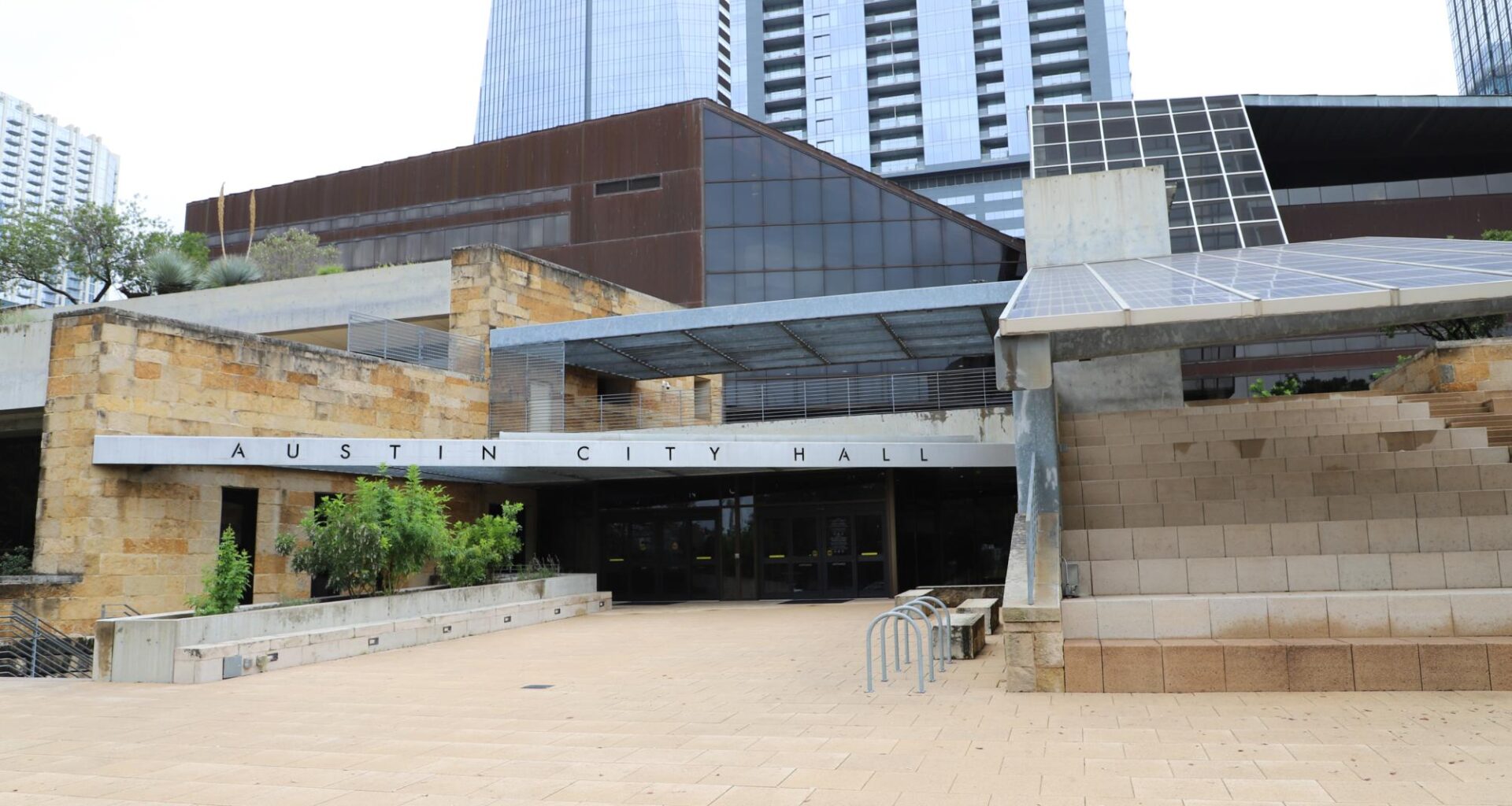
Speakers criticized a proposed $6.6 billion budget at Thursday’s City Council meeting for increasing police funding while reducing social services allocations. The city will continue to hear feedback on the proposed 2026-2027 fiscal year budget in the coming weeks.
The proposal, presented by City Manager T.C. Broadnax, is an increase from last year’s $6.3 billion operating budget. The proposal includes raises to property taxes and utility costs, cuts to social service contracts and increased investment in city departments such as parks and public pools. The council is slated to adopt a budget by August 14 after further discussion and community engagement meetings. The budget will go into effect on October 1.
Speakers during the meeting’s public comment period drew attention to the proposed reduction of social service funding, with $13.3 million either being reduced or reallocated to the public health and homeless strategy departments. The proposed budget document states that a city-wide analysis informed the decision.
The budget also sets aside $1.5 million for an efficiency audit to identify departments where money is being spent effectively. Jeffery Bowen, a District 8 candidate for City Council who spoke at the meeting, advocated for a performance review.
“(The city needs) to be responsible on their spending and (understand) what it is they’re spending on,” Bowen said. “Is this a want or is this a need?”
Speakers also scrutinized the $24 million addition to the police budget, the largest increase to any department in the general fund. The budget for the Austin Police Department includes recruitment, the creation of a new civilian position and a mandatory wage adjustment. Some meeting speakers questioned staff priorities when comparing police spending to the cuts to social services. Savannah Lee, UT adjunct professor and director of policy and operations at Equity Action, a local nonprofit, spoke at the meeting.
“Adding $25 million to our most well-funded department while trying to make the case that we’re in a $26 million deficit and therefore cannot fund community priorities is, frankly, laughable,” Lee said. “I genuinely do not know how you expect to gain the understanding of a community regarding our financial situation, while simultaneously writing another check to APD.”
Council member Zohaib “Zo” Qadri — who represents District 9, which includes UT and West Campus — said after the meeting he hopes to reduce the social service cuts.
“These cuts touch on housing assistance, which is something that everyday Austinites deal with, as well as students who attend UT and other universities in the area,” Qadri said. “Making sure that those investments continue to stay intact is extremely important.”
Qadri encouraged students to voice their opinions at upcoming community input meetings or by reaching out to the District 9 office.
“There’s a lot of opportunities for communication and for outreach,” Qadri said. “We’re fighting for y’all when it comes to the budget, and making sure that ultimately we’re in a situation that the city continues to be affordable, livable.”