
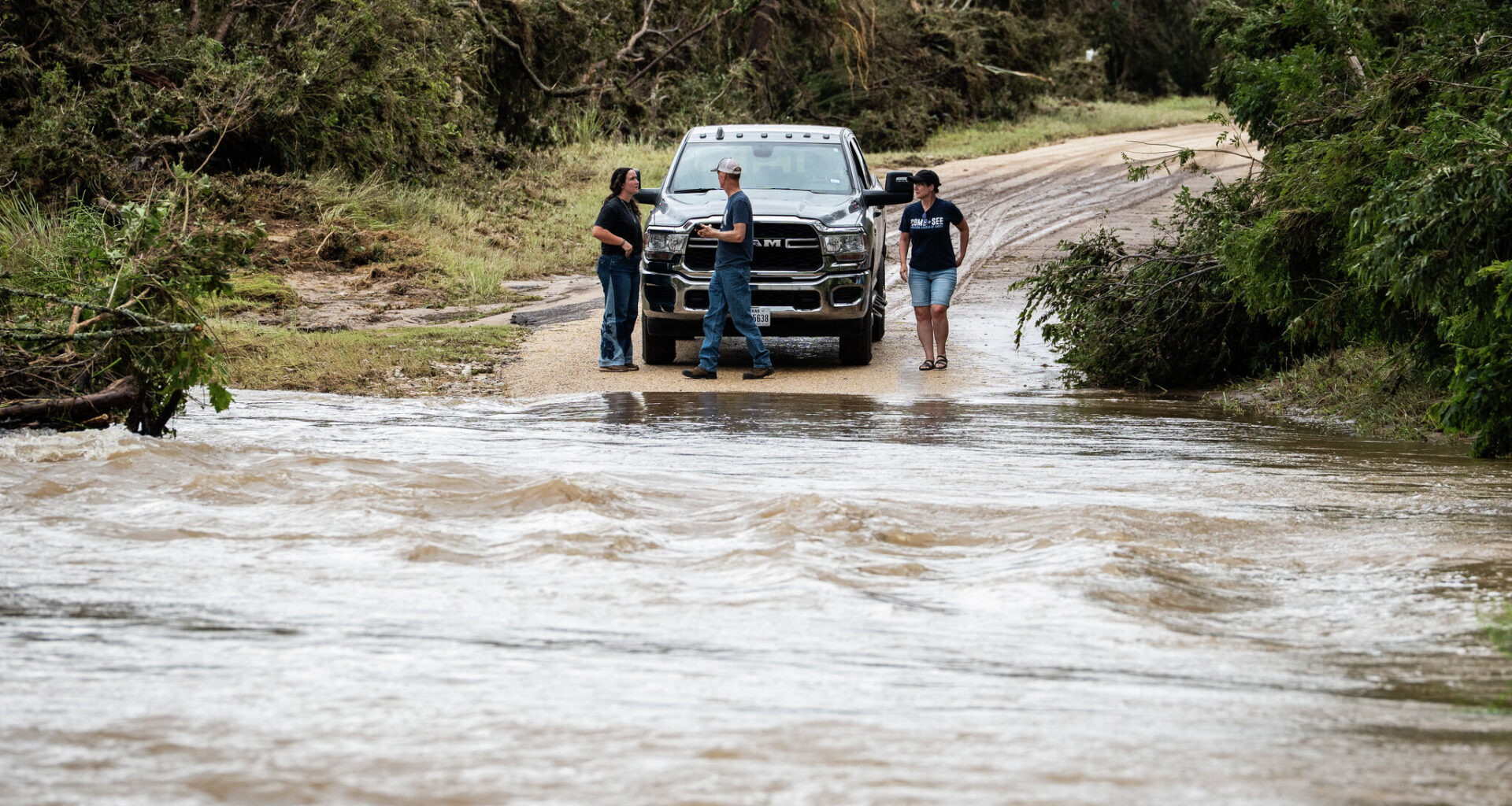
Texas lawmakers worked quickly after last year’s terrible flooding in Central Texas to pass new safety measures for flood-prone areas. It appears the new laws worked: 139 people died in the 2025 flash floods, but there were only two deaths after flash floods last week. It is a tremendous relief that the swollen rivers and tributaries this month claimed mostly property, not lives.
The new laws are only part of the story, though. Greater awareness was the most significant factor in saving lives. Last year, almost everyone interviewed after the floods, from local officials to homeowners to the president of the United States, expressed surprise that the Guadalupe and other Hill Country rivers and creeks could rise so high so fast.
Now they know better, and the people who live, work and vacation near those waterways behaved differently. They turned on cellphone notifications and signed up for local weather alerts.
The storms were also different. Last year, the rain fell at night within a few hours over a limited area. That created a huge surge of water in the dark. It was also a holiday weekend, so there were more people vacationing in the Hill Country.
This year, there was more rain, but it was spread over a larger area and took a few days to fall. Communities that were mostly spared last year, like Uvalde, experienced severe flooding, and other towns, like Cotulla and Carrizo Springs, remain under threat as floodwaters move downstream.
There’s another reason why the death toll this year was lower. Some riverside campgrounds did not reopen; news stories reported that their owners are developing new businesses that will not include visitors sleeping near a treacherous waterway.
Camp safety legislation backed by the victims’ parents and other rules clearly helped. Lawmakers allocated funding for emergency sirens along the flood-prone rivers, with the first phase being installed near camps. Sirens sounded in Kerr and Kendall counties, providing one more warning to people who might not have received cellphone alerts.
New laws banned sleep-away summer camps from having cabins in floodways. Camps were also required to have more detailed emergency plans, with training for counselors and campers and more ways to communicate with campers and counselors. One camp in Uvalde County evacuated to San Antonio in anticipation of worsening conditions, according to KXAN-TV.
It all helped save lives. The challenge will come a decade from now, when memories of the 2025 flooding fade. Eternal vigilance is the price of greater safety.
Have thoughts about this? Send a letter to the editor using our letters form or email letters@dallasnews.com. Letters should be no more than 200 words and include the first and last name of the writer and city of residence.