
A tropical storm is heading to Houston. Build the Ike Dike. | Opinion
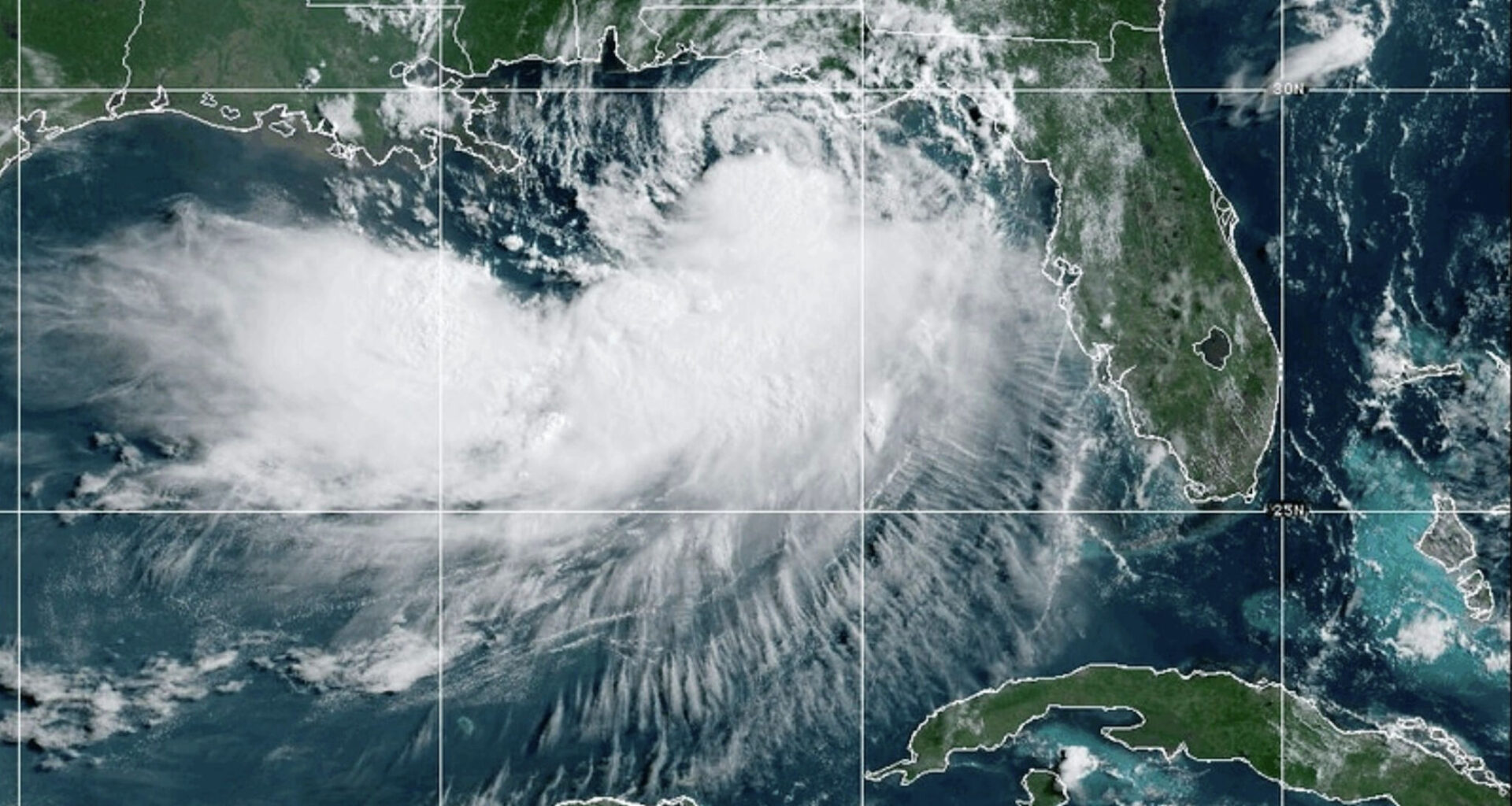
News that Tropical Storm Bertha is headed toward Houston serves as a reminder that Texans on the Gulf Coast roll the dice with each passing hurricane season.
Thirteen major storms have struck our region in just the last 25 years, claiming 589 lives and causing $212 billion in damages. These storms aren’t once-in-a-generation catastrophes anymore. They are a feature of life on the Gulf Coast. In their wake, FEMA has poured billions of dollars into our region. Harvey alone resulted in more than $8 billion in FEMA assistance. Ike required $2.8 billion and Allison more than $1 billion in today’s dollars. Add in Rita, Dolly, Gustav, Hanna, Laura, Nicholas and Beryl, and the cost of rebuilding the Houston-Galveston region quickly climbs into the tens of billions.
One of us is a Democrat and the other is a Republican. We disagree on many things. The Coastal Texas Project is not one of those things. Protecting nearly 6 million Texans, 32 percent of the nation’s refining capacity and the Houston Ship Channel’s $1 trillion in economic impact is not a partisan issue. That’s exactly why this project has drawn support at every level, from Republican and Democratic members of Congress, from successive administrations in Washington and from bipartisan majorities in the Texas Legislature.
The plan restores wetlands, reinforces natural barriers and constructs the gates and dunes that will defend our region. The Galveston Bay Barrier System, known to us as the Ike Dike, is its centerpiece. With the dollars appropriated so far, engineers are advancing detailed designs for the gate, the beaches and dune features of that system. Every dollar secured, every design milestone reached, brings us closer to a Gulf Coast that is protected, not recovering. In 2021, acting on a bipartisan basis, Texas lawmakers created the Gulf Coast Protection District as the lead non-federal sponsor for the project. In the two budget cycles since, the Texas Legislature has appropriated nearly $1 billion in state dollars toward Texas coastal storm protection — $200 million in the 86th Legislature, $200 million in the 87th Legislature and another $550 million in the 88th Legislature. Last year, we passed House Bill 1089 together, creating a dedicated Gulf Coast Protection Account in the state budget to receive and direct Texas’s share of the project’s costs. Together, those bills and those dollars put design work in motion and position Texas to draw down its share of the much larger federal investment to come.
Houston has never been a city that waits for problems to fix themselves. The Houstonians that came before us dredged a fifty-mile channel through a swampy bayou and built one of the busiest ports on Earth. They muscled their way onto the global stage by making Houston the Energy Capital of the World. They put a man on the moon from a control room twenty miles south of downtown. Every transformational project this region has undertaken was, at the time, called a long shot. None of them look that way now. The Coastal Texas Project is next.
Texas has done its part. The next move belongs to Congress. The Coastal Texas Project was authorized as a federal effort in 2022, with a federal cost share of roughly 65 percent of the $35 billion total. Texas has put nearly $1 billion on the table to advance it. The most recent federal budget identifies it as a national priority. Members of our Texas delegation on both sides of the aisle continue to fight for every federal dollar, and each new appropriations cycle has moved the project closer to construction. What’s needed now is for that pace to match the project’s scale. A national project deserves a national commitment.
Texans don’t want another decade of rebuilding.
They want a future where families stay put, businesses stay open and communities remain whole. The cost of protection is a fraction of the cost of repeated recovery. The Gulf Coast Protection District is not waiting for the next Ike to remind us of what’s at stake. Neither is the State of Texas. Neither are the engineers, the local sponsors nor the federal partners who have brought this project from concept to design. This country has built more difficult things, in less hospitable places, on tighter timelines. We can build this one too.
It’s time to stop rolling the dice. Build the Ike Dike.
Sen. Carol Alvarado, a Democrat, represents Senate District 6. Rep. Dennis Paul, a Republican, represents House District 129.