
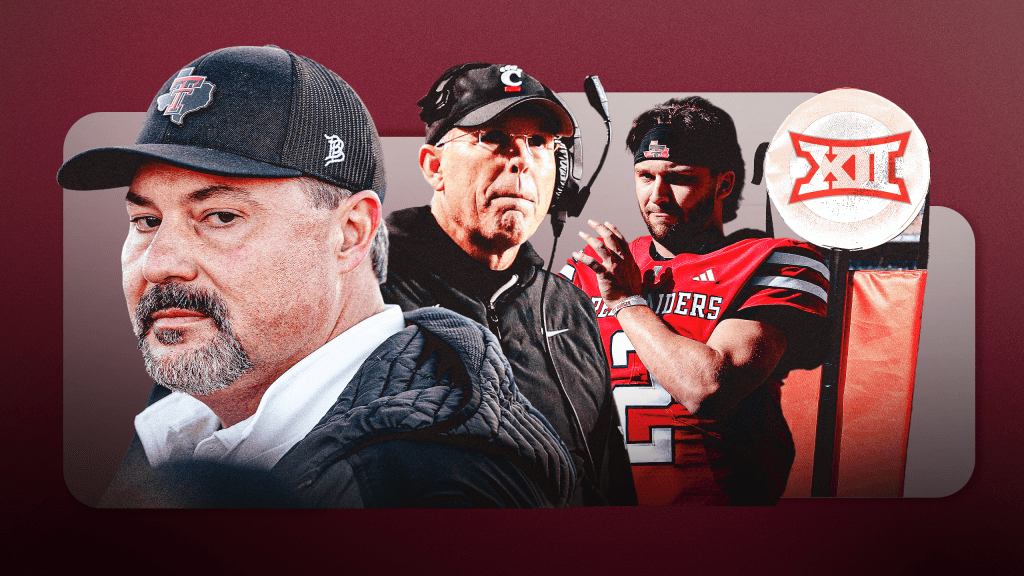
On the same day the NCAA reportedly opened an investigation into the University of Cincinnati over former quarterback Brendan Sorsby, Texas Tech board chairman Cody Campbell warned Big 12 commissioner Brett Yormark he had “receipts” capable of implicating UC in the scandal.
Campbell’s threat came after head football coach Scott Satterfield publicly accused the Red Raiders of improperly recruiting Sorsby while he was at UC.
“In the spirit of not publicly airing ‘family disputes,’ somebody should inform Coach Satterfield that Texas Tech has gone out of its way to not drag Cincinnati on the Sorsby deal,’” Campbell wrote in a July 8 text message to Yormark. A copy of their exchange was obtained by Sportico through a public records request. “We have plenty of receipts, and he wants no part of it,” Campbell continued. “This is not a fight he should start.”
The week before, according to Yahoo Sports, the two men had met at a Texas steakhouse as part of an effort to mend strained relations between Texas Tech and its Big 12 rivals.
Campbell texted Yormark he was traveling in Greece at the time and that he would have contacted Satterfield directly but did not know him personally. Yormark’s reply indicated the two planned to discuss the matter the following day, but a Big 12 spokesperson told Sportico that there was ultimately no follow-up conversation.
Campbell declined a request for comment.
The exchange captures the tension at the center of Campbell’s combative role in L’Affaire Sorsby, specifically, and intercollegiate athletics more broadly. He is Texas Tech’s billionaire benefactor, a major political donor, and leading voice for saving a college sports system that he argues has become distorted by the money and influence. Yet, his critics contend he has come to embody those very forces, oscillating between the moral authority of a reformer and the instincts of a partisan fan.
On the morning of July 8, Yahoo Sports reported the NCAA had sent a letter of inquiry to Cincinnati about Sorsby, who earlier this year was ruled ineligible after admitting to placing thousands of sports bets during his collegiate playing career. The school publicly denied that any athletics official or staff member was aware of Sorsby’s sports wagering during his time at Cincinnati. Sorsby played two seasons for the Bearcats after spending his first two collegiate years at Indiana.
The NCAA inquiry marked another chapter in the legal saga surrounding the high-profile quarterback, who reportedly received a $5 million NIL offer to transfer to Texas Tech.
In February, Cincinnati sued Sorsby for $1 million, alleging he breached his NIL agreement with UC by transferring to Texas Tech. That lawsuit, which remains ongoing, triggered an extended legal battle over the player’s movement, NIL contracts and eligibility.
Last month, a Texas district court judge granted Sorsby a temporary injunction against the NCAA, which immediately restored his eligibility for next season. The ruling caused “great concern” among the Big 12 members, according to Yormark, with some schools weighing whether to refuse to play Texas Tech.
“This unfortunate situation is the outcome of a broken system,” Campbell said in a statement last month. “I’m doing everything I can to fix it, but until there is a permanent solution, Texas Tech and its student athletes have to do the best they can to navigate and compete amid the chaos that exists in the reality of the world we live in.”
Three days after the injunction was issued, Texas attorney general Ken Paxton sent a letter on June 11 to the Big 12 warning it against penalizing Texas Tech for allowing Sorsby to play. As the Texas Tribune later reported, Paxton’s intervention came a day after Campbell donated $274,300 to a fundraising committee supporting Paxton’s U.S. Senate campaign. Campbell has denied any connection between his contribution and Paxton’s letter.
By June 15, Sorsby and Texas Tech announced that they had officially dropped their legal body and filed a motion to dismiss the case against the NCAA in Texas court.
(This story has been updated in the eighth paragraph to clarify when the Yahoo Sports story was published.)