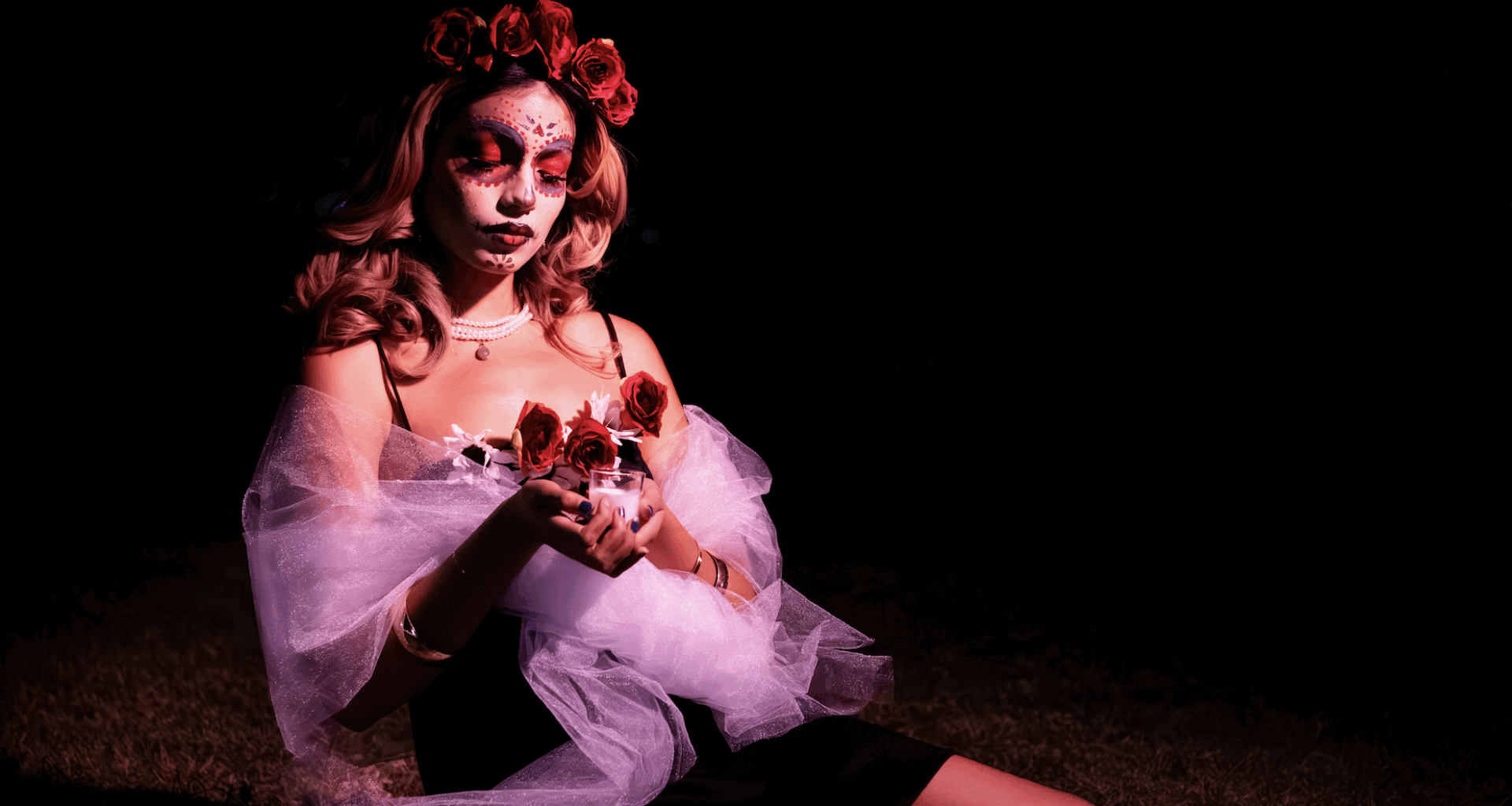
On Nov. 1 and 2, families across the borderland honor the memory of loved ones through Día de los Muertos, a tradition that dates back more than 3,000 years. Originating from Aztec beliefs, Día de los Muertos sees death not as an end, but as part of a spiritual journey toward eternal rest. Life and death may seem worlds apart, but during Día de los Muertos, those boundaries blur through tradition and remembrance.
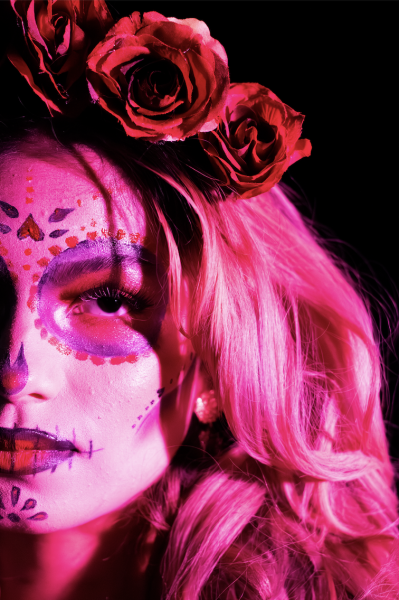 Highlighting family values and culture, families across El Paso celebrate and remember passed on loved ones through the traditional holiday Día de los Muertos. (Nathaniel Flores)
In El Paso, Dia de los Muertos has become a celebration that highlights culture and family values. The El Paso Mexican American Cultural Center (MACC) hosted its annual Día de los Muertos Festival on Nov. 1 in the Downtown Arts District, featuring the El Paso Museum of Art and the El Paso Museum of History.
The event kicked off at 11 a.m. and ran until 9 p.m., filling downtown with altars, folkloric dance, music and traditional Mexican food. Melanie Solano is a Folklorico dancer who participates in choreographies for Día de los Muertos parades in El Paso.
“Between Nov. 1 and 4, I usually dance with my Folklorico team to songs that represent El Día de los Muertos, such as ‘La Bruja’ and ‘La Llorona,’” Solano said. “I always love seeing the little kids amazed by the vestuario and the Catrina makeup I wore.”
While festivals are attended by many people, families continue to celebrate privately at home. As early as Oct. 28, many begin setting up ofrendas, decorated with candles, flowers, photographs and the favorite foods of those who have passed away.
Mario Gorrilla, a musician from El Paso, appreciates the opportunity this holiday brings to honor and remember those who came before him with his family.
“We always put up mantles for our deceased loved ones, but this year me and my family want to do the much more traditional way of celebrating like putting out dog food for our recently deceased chihuahua and setting up an official ofrenda,” Gorrilla said.
An altar for Día de los Muertos has many elements. Candles represent the light that guides souls back into the living world and the fire used to light them up symbolizes hope and faith. Altars usually also have pictures of those that have passed and at the table one can find food that they used to enjoy, as well as the traditional pan de muerto.
These traditions are passed down between generations and keep families close to those who have passed and share moments with those who are still with them. Many parents and grandparents teach the younger generations about the holiday’s traditions. Charlie Rios values learning about these traditions from his mom.
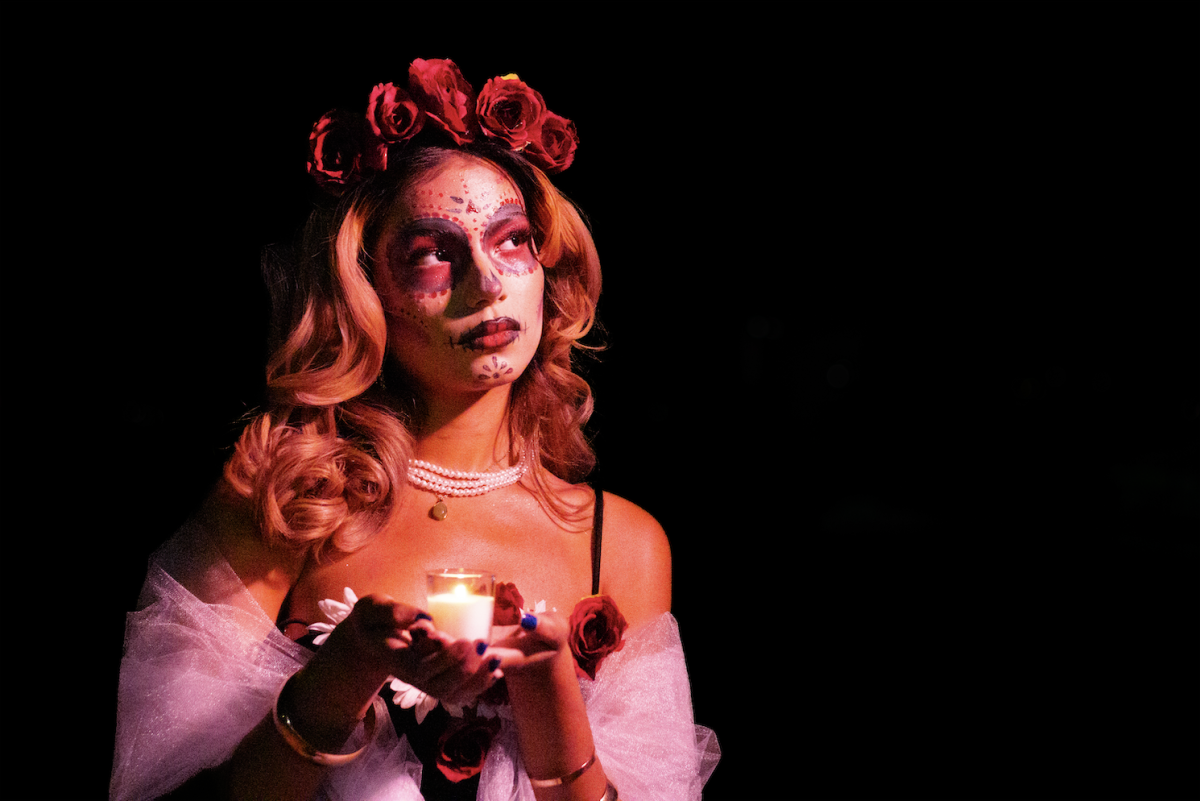
Celebrating the holiday Día de los Muertos, families celebrate by setting up ofrendas that are typically decorated with the photos, favorite foods and items of those who passed away.
“From my mom I have been taught how to [create] elaborate wreaths, crosses and flower arrangements,” Rios said. “They are done before Nov. 2 because on the same day we visit the cemetery to remove the grass, clean chapels and talk to those that are gone. Then at home my family and I make this altar with pictures of them.”
Families find comfort in reminiscing over the past, singing songs and sharing memories as they know the spirits of their loved ones are there cherishing that moment with them.
“Knowing that my father will get to visit me gives me comfort, temporarily, but that is what is beautiful,” Gorrilla said.
Even though death reminds many of how timely life is, the Day of the Dead is a reminder that love has no boundaries, and that the love one has for those close to them goes on forever.
Vivien G. Noe C, is a Staff Reporter, at The Prospector and can be reached at [email protected]