
Cases of the diarrhea-causing illness cyclosporiasis have risen in Austin over the past month, but public health authorities say case numbers are still within the typical range for summertime.
As of Monday, Austin Public Health has confirmed 41 local cases of cyclosporiasis, which is caused by a food-borne parasite called cyclospora. All but one of those cases occurred in July.
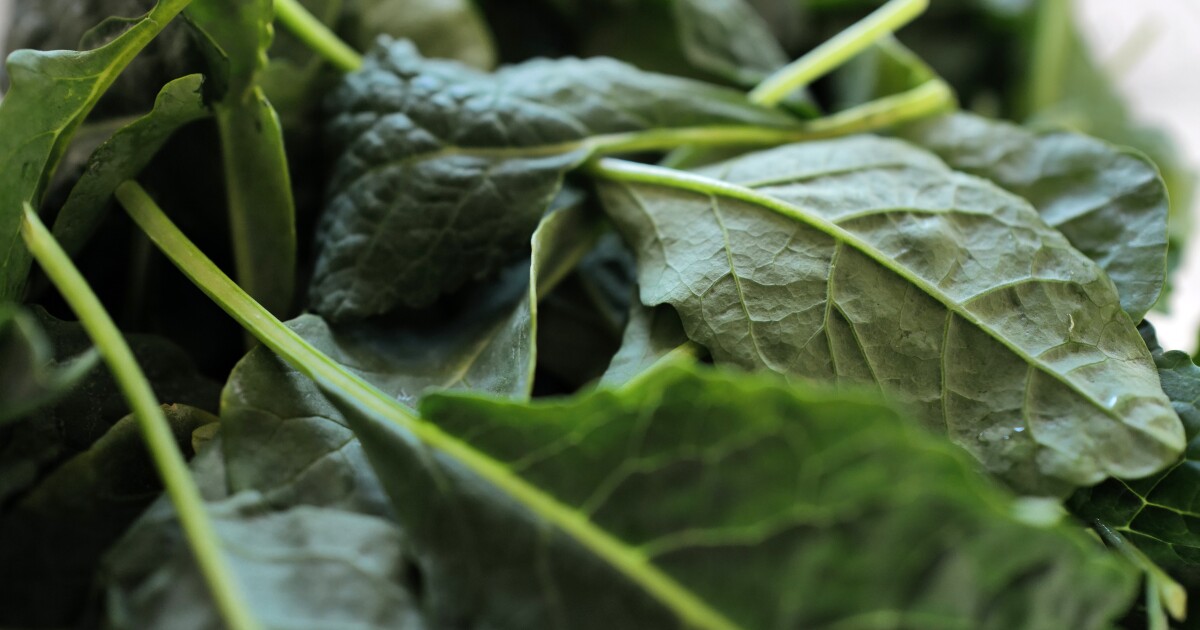
Cyclospora often clings to leafy greens, berries or other produce that has been in contact with human fecal matter, often via contaminated water.
“Investigations are underway to determine the source of these cases,” APH representative Alyssa Armstrong said in an email. “Our investigations so far have not found any connection to a particular food item, restaurant or grocery store.”
Armstrong said Austin saw 39 cases in 2025 and 41 in 2024, with activity from the illness peaking in June and July.
Cyclosporiasis has surged in dozens of states in recent weeks. The Centers for Disease Control and Prevention have confirmed more than 4,000 cases nationwide and have received reports of another 7,400 which have not yet been confirmed by a lab. Many of those unconfirmed cases are in Michigan or Ohio.
Texas has confirmed 121 cases since early May, including 23 hospitalizations, according to the Department of State Health Services. DSHS has not identified a source for those cases.
Dr. Luis Ostrosky, an infectious disease specialist with UTHealth Houston, said Texas’ numbers so far seem fairly typical for the illness, which often sees an uptick between May and August. But he is still urging Texans to be cautious when consuming fresh produce, especially because questions remain about what’s causing the surge in cyclosporiasis cases across the country.
“I’m not getting clarity right now that we actually have nailed down the source, or sources,” Ostrosky said.
The CDC and Food and Drug Administration have tied some cyclospora infections to iceberg lettuce from Taylor Farms de Mexico — but this lettuce has only been linked to cases in nine states, not including Texas. The company has issued a recall for all of its iceberg lettuce sourced from central Mexico, but customers may still see other Taylor Farms products on grocery store shelves and served in restaurants.
In Texas, the popular grocery chain H-E-B has repeatedly said that none of its products have been tied to a cyclospora outbreak, though it does use Taylor Farms lettuce in some pre-made salads.
“According to Taylor Farms records, H-E-B was not shipped iceberg lettuce products included in the Taylor Fresh Foods Recall of iceberg lettuce from Central Mexico,” H-E-B representatives said in a social media post.
U.S. Health and Human Services Secretary Robert F. Kennedy Jr. said in a press conference on July 21 that the outbreak is “under control,” and that the source had been identified, referencing the Taylor Farms recall.
But some experts, such as former FDA Commissioner Scott Gottlieb, have said there is still uncertainty about whether there could be other sources causing outbreaks in other areas of the U.S. Cuts to U.S. food safety surveillance, along with the Trump administration’s postponement of a rule that would have stepped up tracing efforts by food suppliers, have also drawn scrutiny.
Dr. Ostrosky acknowledged that cyclospora tracing is difficult, as it relies on patients to remember what they have eaten in detail. But he worries that cuts to public health and food safety programs are slowing investigations down.
“I feel that typically we would have known already this far into a national outbreak, and that is concerning to me,” he said.
Support for KUT’s reporting on health news comes from St. David’s Foundation. Sponsors do not influence KUT’s editorial decisions.