

Last week, I talked about how oil price increases have been somewhat mitigated due to various factors including the lower global demand by China, which is aggressively pursuing electrification largely through the use of wind and solar. That made me curious about the current use of wind and solar in the U.S.
Most people would think California leads the nation in clean energy and produces the most wind power, but surprisingly it’s Texas and by a wide margin. Iowa holds the number two spot.
Texas has the reputation as the nation’s largest producer of both oil and natural gas, yet it’s also quietly become a clean energy powerhouse with about one-third of average electricity generation from wind. Wind and solar combined provide on average roughly 40% of the state’s electricity.
In peak wind and solar conditions, about 75% of the state’s electricity emanates from these clean natural resources. That blew me away.
In the early 2000s, Texas invested billions of dollars in transmission lines connecting the windy plains of West Texas to major cities. In 1999, then-Gov. George W. Bush signed legislation establishing one of the nation’s earliest renewable energy standards, years before California and New York became widely associated with aggressive renewable energy policies.
So why wasn’t there stronger political opposition especially given the strong business interests of oil and gas in the state? The answer is largely economics.
Texas has some of the world’s best wind resources, and wind has become one of the least expensive sources of new electricity. Ranchers have always supported the expansion because they could continue grazing cattle while collecting lease payments from wind turbines. Counties benefited from additional tax revenue, while businesses gained access to relatively inexpensive electricity. Cha-ching.
Texas remains America’s largest producer of both oil and natural gas while also leading the nation in wind generation and rapidly expanding solar power. It is very much an “all-of-the-above” energy strategy.
Colorado Springs Utilities is pursuing a somewhat similar approach, investing in approximately 400 megawatts of new natural gas generation while purchasing up to 300 megawatts of additional wind, solar and battery storage from across the Southwest.
In the U.S., wind and solar are projected to supply about 20% of U.S. electricity by 2027.
Why isn’t the Texas strategy discussed more especially in light of recent geopolitical events? Perhaps because clean energy has become such a partisan issue that political noise has drowned out sound investments that should be data driven.
Tatiana Bailey is executive director of the nonprofit Data-Driven Economic Strategies. Other Gazette articles, TV segments, DDES monthly economic dashboards with technical explanations, and how to sponsor their work can be found at ddestrategies.org.
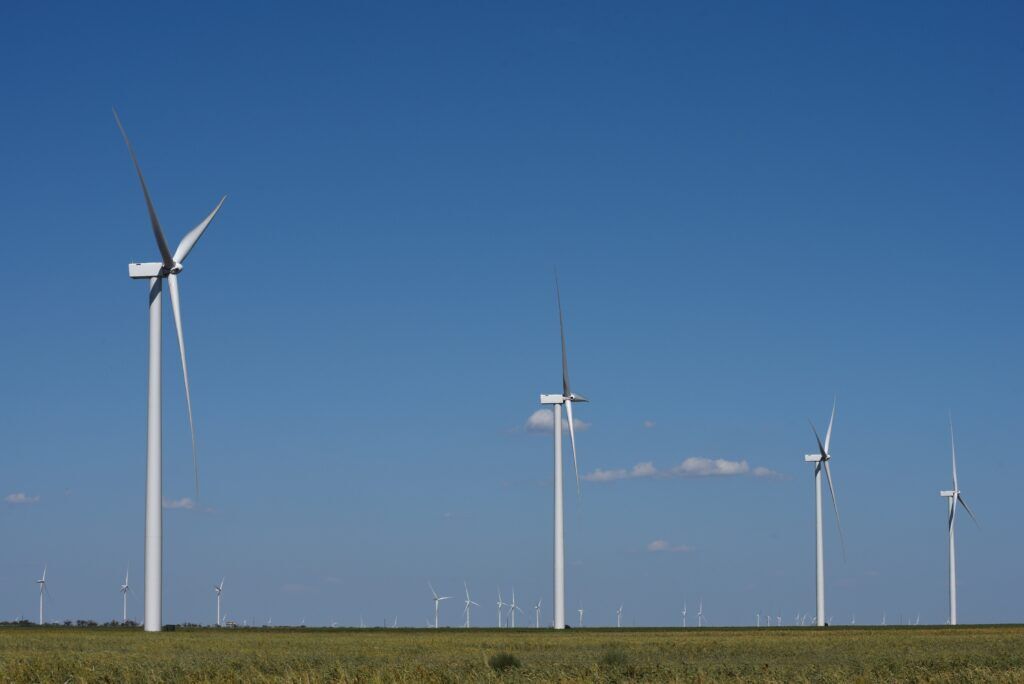 Wind turbines generate power on a farm near Throckmorton, Texas, Aug. 24, 2018. REUTERS file