
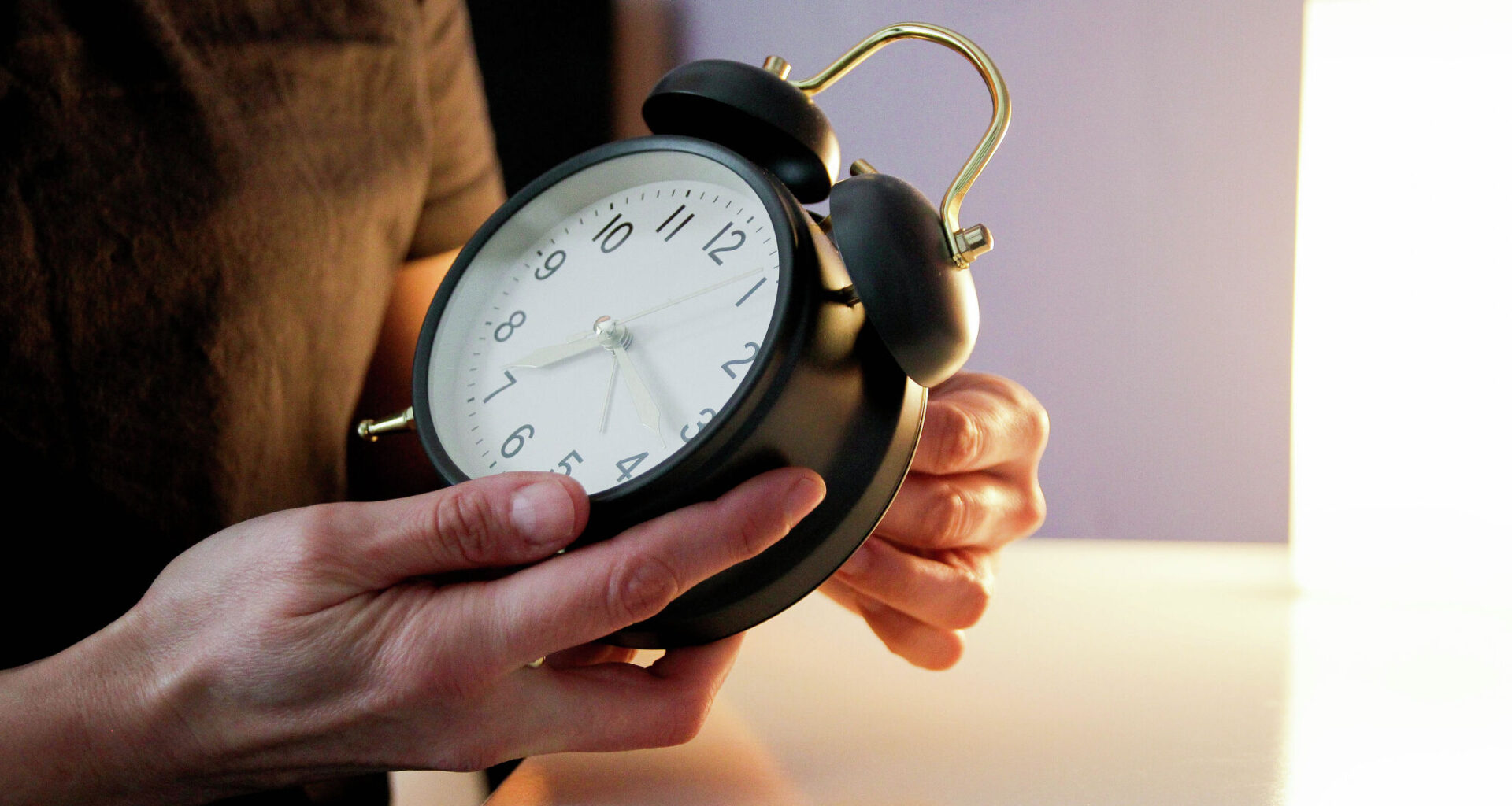
The war on biannual clock changes wages on. While the powers that be in the U.S. Capitol weigh the pros and cons of year–round daylight saving time, San Antonio residents have big feelings about the idea. In fact, some were around the last time a literal act of Congress kept the sunlight up late in the summer, and they say it failed for a reason.
More than 100 frustrated San Antonio residents were eager to share their perspectives on the pesky spring and fall clock switch. While the majority agree the changeover needs to stop, there’s a new divide: Should we switch to permanent daylight saving time or standard time?
There’s a crew of folks who say to give us more sunshine after work hours, allowing for a fuller post-work life. That, of course, means year-round daylight saving time, where summer and winter sunrises would come later, but sunsets would be delayed as well.
“Last year, when we went from DST back to CST, there were so many posts from people complaining that they were in the house at 5:30 p.m. because it was dark outside, and it made the evenings so long and boring.” Mildred Parnell told MySA, noting brighter evening hours allow for extra shopping and activities after work. “DST gives people extra time to work in their yards before dark when they come home from work.”
Others worry about children heading to school in the dark or waiting for the morning buses if the sun doesn’t rise until 6:30 a.m. in the summer or as late as 8:25 a.m. in the winter. A large group of people says permanent standard time is the way to go, brightening mornings earlier throughout the year.
In fact, this is what scientific research suggests may be the healthiest option. The American Academy of Sleep Medicine says standard time – where the sun rises and sets earlier – aligns with natural circadian rhythms. The AAMS cites numerous studies conducted over the decades showing an uptick in heart attacks and strokes on the Monday and the days that follow after springing clocks forward in March.
The U.S. actually tried year-round daylight saving time back in the 1970s during an energy crisis. That effort was repealed a year later, and several San Antonio residents remember the sweeping impact of the change.
“I lived through that back in the 1970s when the Government institute[d] year round daylight savings time during the energy crisis. People sung [its] praises on high,” William Larson wrote to MySA. “Then, the reality of the consequences of year round daylight savings time struck home and people whined on high about what a pain and inconvenience it was.”
For now, the fate of biannual clock changes remains in the hands of the U.S. Senate after the House of Representatives passed the Sunshine Preservation Act this month. But the debate among San Antonio residents suggests the bigger question may be less about whether Texans want the twice-a-year reset and more about exactly when they’d like the sun to be shining.