
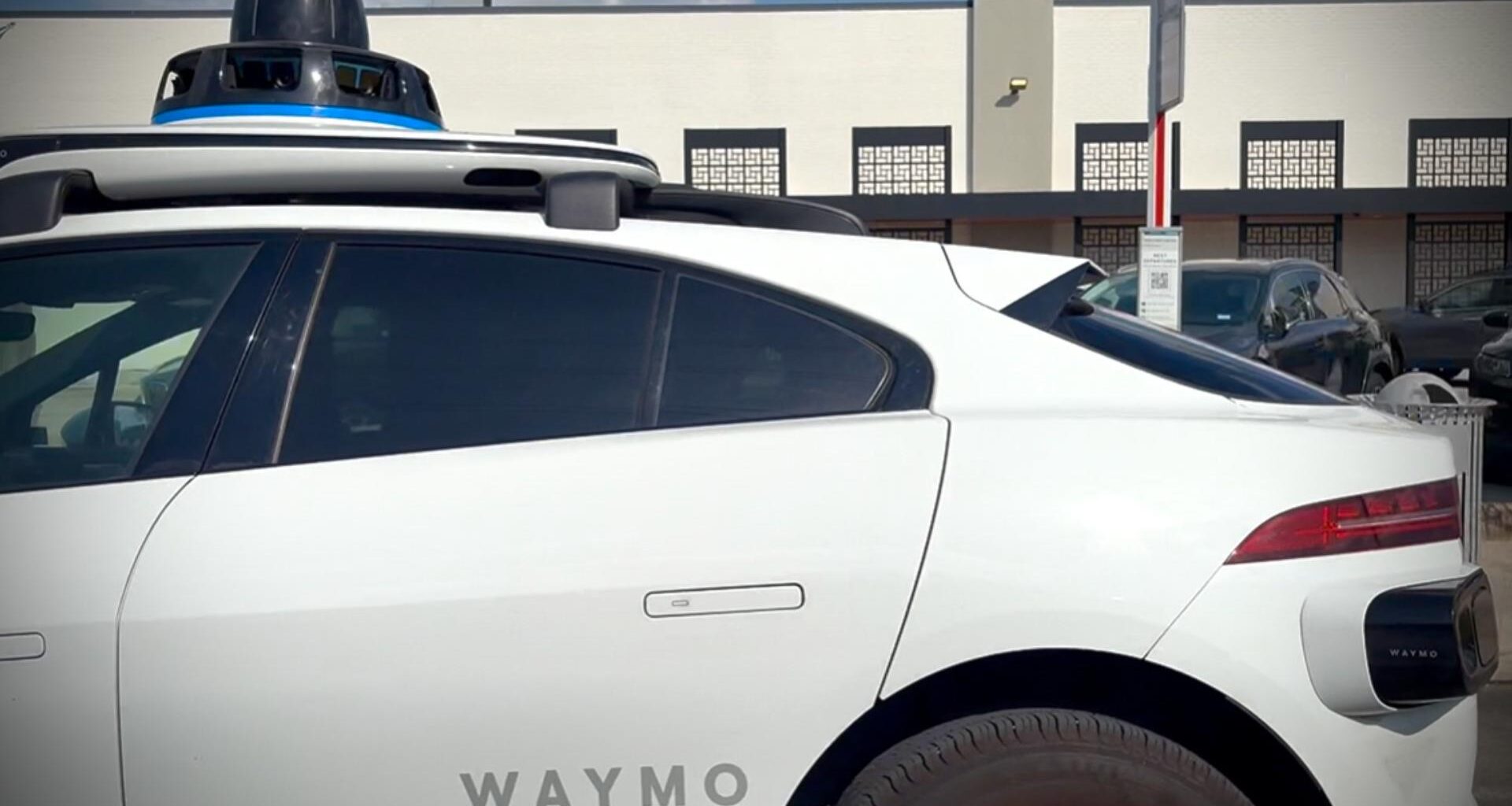
The city says Waymo’s self-driving cars are helping identify potholes across Austin, giving crews another set of eyes on the road.
AUSTIN, Texas — Austin is using Waymo’s self-driving vehicles for more than just transporting passengers.
Through a new pilot program, the autonomous vehicles are helping the city identify potholes by automatically detecting road damage and sending reports directly to the city, at no cost.
The pilot is designed to give city crews another tool to identify potholes before drivers report them.

This story continues below.
“Potholes are more than just a nuisance,” said Arielle Fleisher, Waymo’s policy development and research manager. “They’re a real danger to anybody who’s biking or walking or scootering or driving in a city.”
For many Austin drivers, potholes are a daily frustration.
“Down here, like in downtown, they’re everywhere pretty much,” Amiyo Das said.
Brandi Rosenbaum said she notices them constantly while driving.
“I drive a lower car, so the potholes are very prominent. I can feel every single one of them,” Rosenbaum said. “They’re terrible.’”
According to the city, Waymo has reported 22 potholes since June. Austin Transportation and Public Works has inspected 17 of those reports.
City officials said the technology has helped identify new potholes while also providing staff with additional information about the overall condition of Austin’s roadways. They said confirmed potholes are still repaired under the city’s existing process, with hazardous potholes typically addressed within 24 hours and non-hazardous potholes within 48 hours.
Because the reporting method is still new, the city physically verifies most reports before scheduling repairs. Officials said some reports initially identified as potholes turn out to be sunken utility access points or utility cuts that require a different response.
“We’re really excited to be able to provide this data to cities, again, to be a good neighbor and to help advance street safety in all the ways,” Fleisher said.
Drivers say they are optimistic about the technology if it leads to smoother roads.
“I thought, ‘That’s a great idea,’ because if they actually get it done and do take action to fill the potholes, that would be great for all drivers,” Das said.
The city said the pilot remains in its early stages and hopes the technology will provide another set of eyes on the road, helping crews identify more potholes before drivers do.
KVUE also asked the city how the number of potholes reported by Waymo compares with those reported through Austin’s 311 system. The city is working on providing that information.