
Dallas has always prided itself on thinking big and moving fast. From our days as a trading hub to our rise as a global city of innovation and culture, we’ve never been afraid to evolve. But now, we’re hesitating over a decision that should be clear to anyone who looks at the numbers: It’s time to move City Hall.
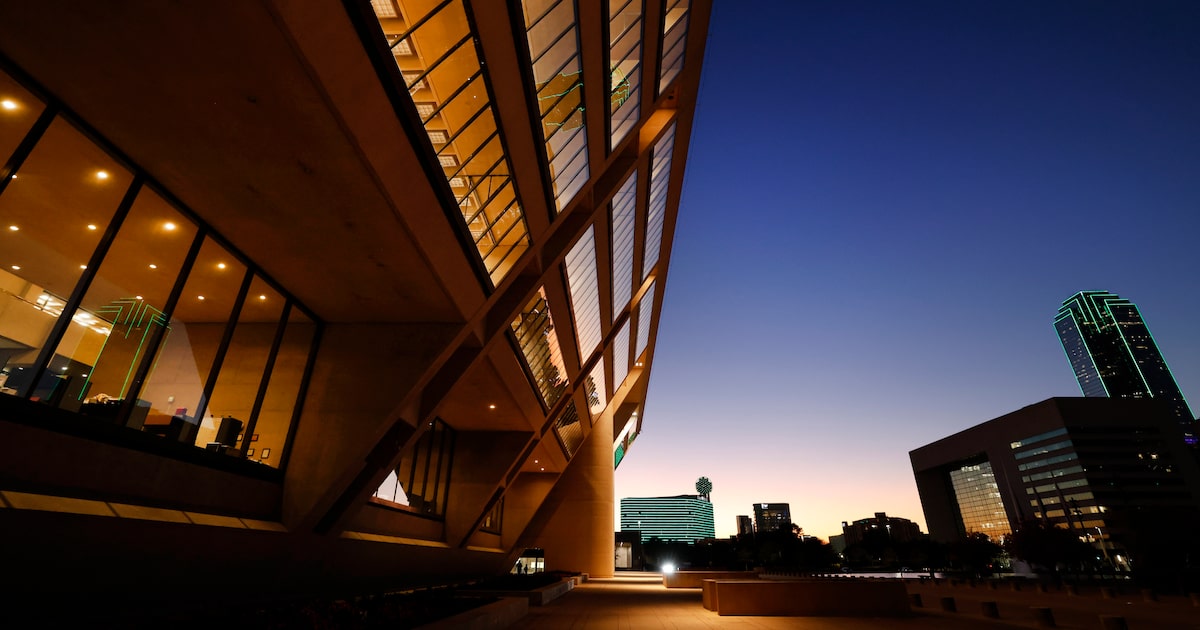
The facts don’t lie. The city’s 47-year-old City Hall, once a bold architectural statement by I.M. Pei, has become a financial sinkhole. Deferred maintenance already tops $152 million, and full restoration could cost $345 million or more. That’s not civic pride — that’s fiscal negligence.
This is not a debate about architecture or sentiment. It’s about economics. It’s about stewardship. It’s about making decisions that reflect where Dallas is going, not where it’s been.
Other forward-thinking cities have already faced this same crossroads — and acted. Fort Worth, for example, has shifted government operations into privately owned buildings. The results? Lower costs, better efficiency and new private investment that’s helped revitalize their downtowns.
Opinion
The Dallas City Council has three choices, and only one makes sense.
Keep patching leaks and chasing repairs — wasting taxpayer dollars on a building that will never meet modern needs.Spend hundreds of millions to restore an aging concrete fortress — a cosmetic fix that ignores long-term inefficiency.Make the smart, strategic move — sell the existing site, lease modern office space downtown, and invest the savings where they matter most: public safety, infrastructure, housing and the transformation of Fair Park, a true Dallas treasure.
And let’s be honest — the timing couldn’t be better. Downtown Dallas has an abundance of high-quality, underused office towers ready to accommodate city operations immediately. Leasing that space would cut overhead, increase foot traffic for businesses and accelerate downtown’s revitalization.
Meanwhile, the existing City Hall site — next to the Kay Bailey Hutchison Convention Center and the city’s planned entertainment district — is one of the most valuable tracts of land. Redeveloping it could generate tens of millions in new tax revenue, attract businesses and power tourism. In short, it could transform a fiscal liability into a long-term economic engine.
Clinging to the old building isn’t a vision — it’s nostalgia. And nostalgia doesn’t balance a budget. Dallas didn’t become a world-class city by standing still. We grew because we were bold when others hesitated. We took risks. We moved forward.
Pei’s design will always hold a place in our history, but fiscal reality must guide our future. The smart cities of tomorrow are lean, flexible and future-focused. Dallas must be one of them. The time for half-measures is over. The opportunity is here, now.
Relocating City Hall isn’t about abandoning identity — it’s about reaffirming it. A modern, efficient, accessible home for city government would reflect the Dallas spirit: confident, pragmatic and built for what’s next.
Dallas deserves a City Hall that works as hard — and as smart — as its people do.
Let’s stop patching the past. Let’s build the future. Let’s make the move — now!
Albert C. Black Jr. is the executive chairman of On-Target Supplies & Logistics Ltd.